
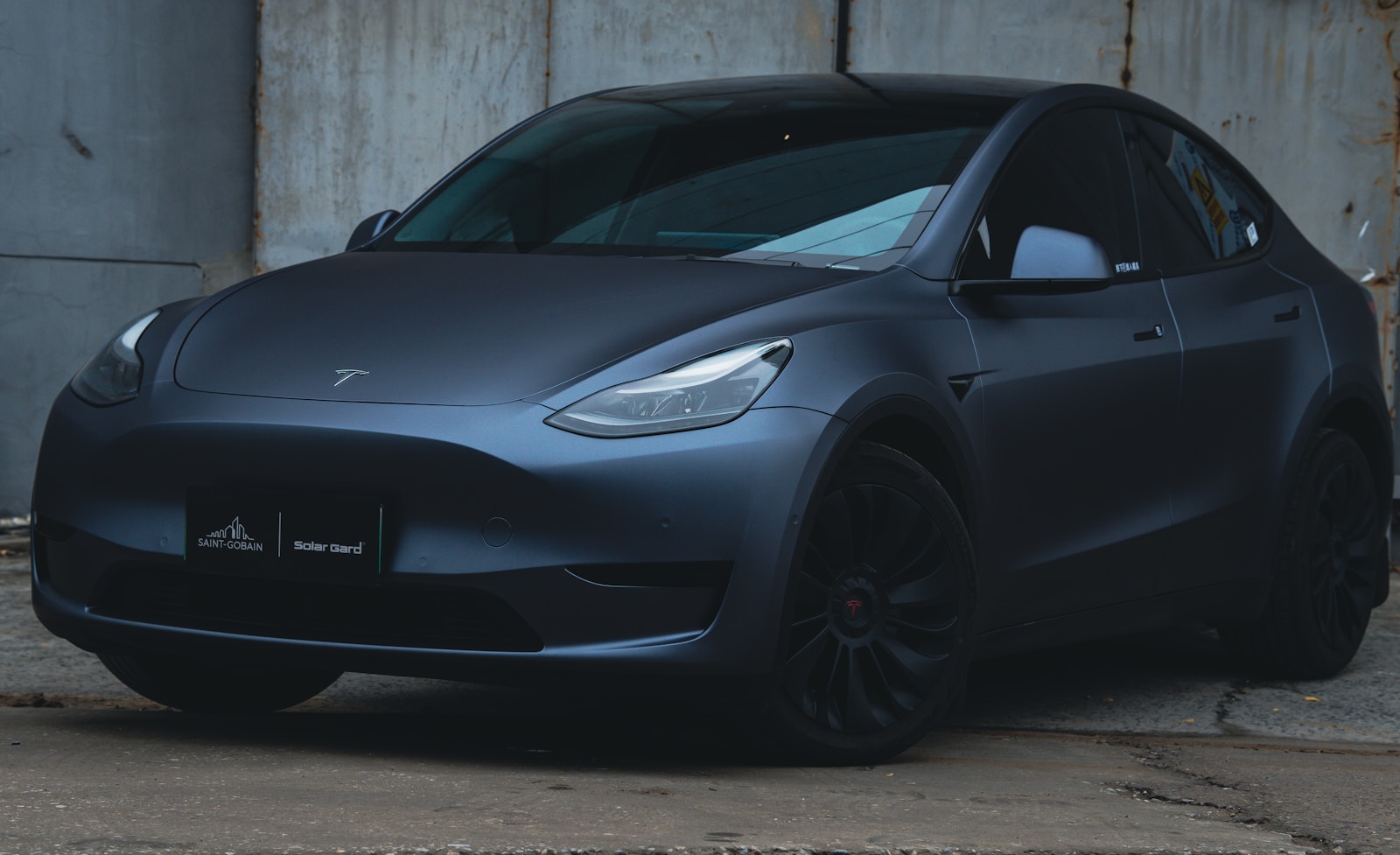

A 20-year-old college student’s late-night drive in a Tesla ended in a fire, a frantic call for help, and a family now accusing one of the world’s most famous carmakers of building a vehicle that became a trap. The parents of Samuel Tremblett say their son survived the initial crash but died after he could not escape the burning car, and they are taking Tesla to court over it. Their lawsuit is not just about one tragedy, they argue, but about design choices that can turn a high-tech cabin into a deadly cage when seconds matter.
At the center of their case is a haunting 911 call in which Tremblett reportedly begged dispatchers to save him as flames spread. His relatives say the recording captures a young man who did everything he could, yet was defeated by electronic door handles and a system they believe was never built with real-world emergencies in mind. For Tesla, the suit lands in a moment when questions about safety, software, and accountability are already swirling around the brand.
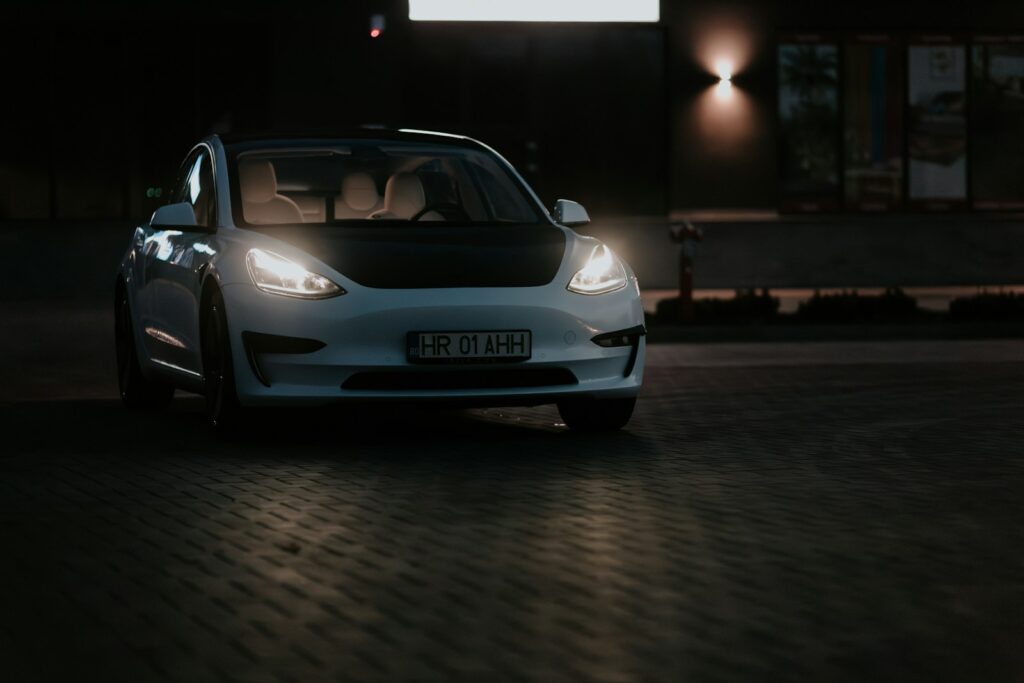
The crash, the 911 call, and a family’s loss
According to the complaint, Samuel Tremblett was driving a Tesla Model Y SUV in Massachusetts when the vehicle left the road and hit a tree, a violent impact that he initially survived. His family says the car then caught fire almost immediately, turning a survivable crash into a fatal emergency as smoke and flames filled the cabin. In their filing, they describe Tremblett as a creative student who expressed his individuality through art and style, and they argue that Tesla’s design choices robbed him of any real chance to escape, a claim they back with allegations of negligence, breach of warranty, wrongful death, and conscious disregard for safety by Tremblett’s family.
In the moments after the crash, Tremblett managed to call 911 and, according to the lawsuit, told the dispatcher, “Help please … I am going to die,” as he struggled to get out of the burning vehicle. The family says he reported that he could not open the doors, a detail echoed in multiple accounts that describe him pleading with the operator while trapped inside the Tesla. One filing notes that the suit, brought earlier in Feb, accuses the electric car maker of designing electronic door handles that failed when power was disrupted, allegedly preventing Samuel Tremblett from escaping.
Inside the lawsuit: door handles, design, and that final call
The wrongful death suit paints a detailed picture of what Tremblett’s parents say went wrong inside the car once it crashed. They argue that Tesla’s sleek electronic door handles and interior controls, which are designed to sit flush and rely heavily on power, became useless when the vehicle’s systems were compromised. The complaint claims that the electronic door handles failed and that the lack of intuitive, clearly marked mechanical backups left the 20-year-old unable to get out, a central allegation laid out in a filing that says the design kept the young driver from escaping the vehicle and is now at the heart of the family’s case against Tesla.
Accounts of the call itself are chilling. Reports say Tremblett told the dispatcher that the car was on fire and that he could not get out, repeating pleas for help as the situation worsened. One summary of the case notes that he survived the initial impact but the car caught fire almost immediately, and that the lawsuit specifically blames Tesla’s electronic door handles for failing in that moment, a claim that highlights how a design meant to look futuristic can become a liability when power is lost, according to a description that begins, “While he survived the initial impact, the car reportedly caught fire almost immediately,” and goes on to fault While he survived.
What the 911 audio reveals about Tesla’s safety problem
The lawsuit has drawn national attention largely because of that final 911 call, which multiple outlets say captures Tremblett saying, “Help please … I am going to die,” as he sits trapped in the burning car. One detailed account describes how he repeatedly told the dispatcher that the vehicle was on fire and that he could not open the doors, a sequence that has become a focal point for critics who argue that Tesla’s design philosophy prioritizes minimalism over fail-safe escape routes. A breakdown of the call notes that Tremblett pleaded with a 911 operator to be rescued from his burning Tesla Model Y SUV after the crash, a moment that has now been cited in legal summaries of the case against the company and highlighted in Takeaways prepared by Bloomberg AI.
Other summaries of the incident echo the same core details, describing how Samuel Tremblett told the dispatcher that the car was on fire and that he could not get out, and how he begged for help as flames spread. One report recounts that he pleaded with a 911 operator to be rescued from his burning Tesla In Massachusetts, a detail that has been repeated in coverage that cites a police report of the incident and underscores how quickly the situation escalated, according to a narrative that credits Dana Hull and.
More from Wilder Media Group: