
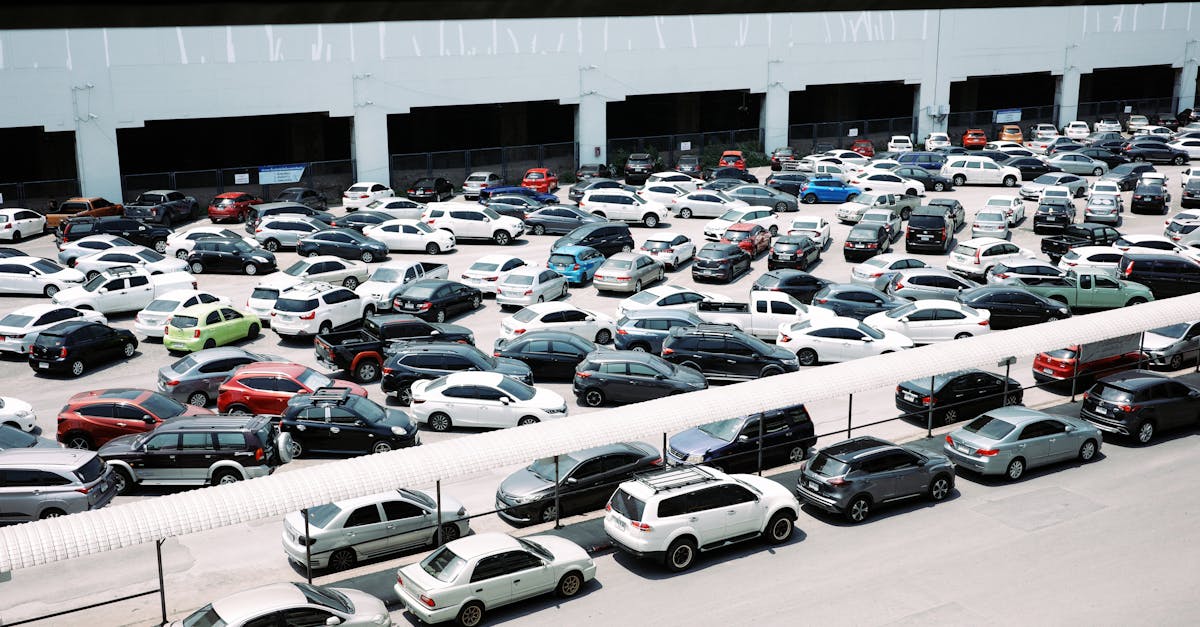


SUVs Facing Rapid Depreciation in 2025, Outpacing Sedans & Pickups
In a significant shift in the automotive market, SUVs are experiencing rapid depreciation rates in 2025, surpassing those of sedans and pickups. This trend affects a wide range of consumers, from everyday drivers to those looking to sell or trade in their vehicles. The implications of this depreciation are critical, as they influence resale values, insurance rates, and overall consumer behavior in an already volatile market.
Market Overview: The SUV Depreciation Trend
Data from Kelley Blue Book reveals that the average depreciation rate for SUVs in 2025 has reached approximately 30%, compared to 25% for sedans and 22% for pickups. This marks a noticeable shift from previous years where SUVs maintained stronger resale values. Factors contributing to this rapid depreciation include rising fuel prices, increased interest rates, and a growing preference for electric vehicles (EVs).
According to a recent report, gas prices have surged to an average of $4.50 per gallon, making large SUVs less attractive to cost-conscious consumers. Additionally, the Federal Reserve’s interest rate hikes have led to higher financing costs, discouraging potential buyers from investing in new SUVs. This combination of economic pressures is forcing many owners to reconsider their options.
Consumer Sentiment and Market Response
The changing sentiment among consumers is evident. A survey conducted by Edmunds found that 62% of potential car buyers are now considering smaller vehicles or hybrids instead of traditional SUVs. “The market is shifting towards efficiency and sustainability,” said Jessica Thompson, a senior analyst at Edmunds. “As consumers become more budget-conscious, they are reevaluating their vehicle choices.”
Additionally, automakers are responding to this shift by ramping up production of smaller vehicles and EVs. Major manufacturers, including Ford and General Motors, have announced plans to release new hybrid and electric models, hoping to capture the changing demands of consumers. Ford’s 2025 Explorer EV is expected to hit the market soon, but its success may hinge on consumer willingness to move away from traditional SUVs.
Depreciation Patterns: Specific Models Affected
While all SUVs are feeling the impact, specific models are experiencing sharper declines in value. For example, the 2020–2022 Chevrolet Traverse has seen a depreciation rate of 35%, while the 2019–2021 Jeep Grand Cherokee has dropped by 33%. In contrast, popular sedans like the 2020 Honda Accord are only depreciating at about 20%, highlighting the stark difference in market perception.
Trade-in values for SUVs are also declining faster than anticipated. The National Automobile Dealers Association (NADA) reported that many dealerships are now offering lower trade-in values for SUVs, prompting owners to hold onto their vehicles longer or consider alternative options. “We are seeing more customers express concern about their vehicle’s value,” noted Tom Mitchell, a dealership manager in Los Angeles. “Many are choosing to keep their SUVs instead of trading them in.”
Economic Factors and Their Impact
The economic landscape is playing a pivotal role in this depreciation trend. With inflation rates hovering around 6% and interest rates on auto loans climbing to an average of 7.5%, many consumers are feeling the financial strain. This is particularly impactful for larger vehicles like SUVs, which generally have higher monthly payments compared to sedans or smaller cars.
The situation is further exacerbated by the ongoing inventory shortages caused by supply chain disruptions. As new vehicle supply remains limited, consumers are often left with fewer options for purchasing and trading in vehicles, leading to increased competition for the limited available inventory. This has resulted in a market where buyers are more cautious, often opting for smaller, more fuel-efficient vehicles.
The Future of SUVs in a Changing Market
Experts predict that the trend of rapid depreciation will continue as consumer preferences evolve and economic pressures persist. The demand for eco-friendly alternatives is only expected to grow, with electric and hybrid vehicles predicted to dominate the market by 2030. As automakers invest more in sustainable technologies, traditional SUVs may struggle to regain their previous appeal.
For current SUV owners, this depreciation trend presents a critical opportunity for reassessment. Those looking to trade in their vehicles should consider the current market conditions and potential alternatives. Engaging with a trusted dealership or utilizing online valuation tools can provide insight into the best course of action for their specific situation.
Conclusion: Take Action Now
As the automotive landscape shifts, consumers must remain vigilant about their vehicle investments. With SUVs facing unprecedented depreciation in 2025, it is crucial for