
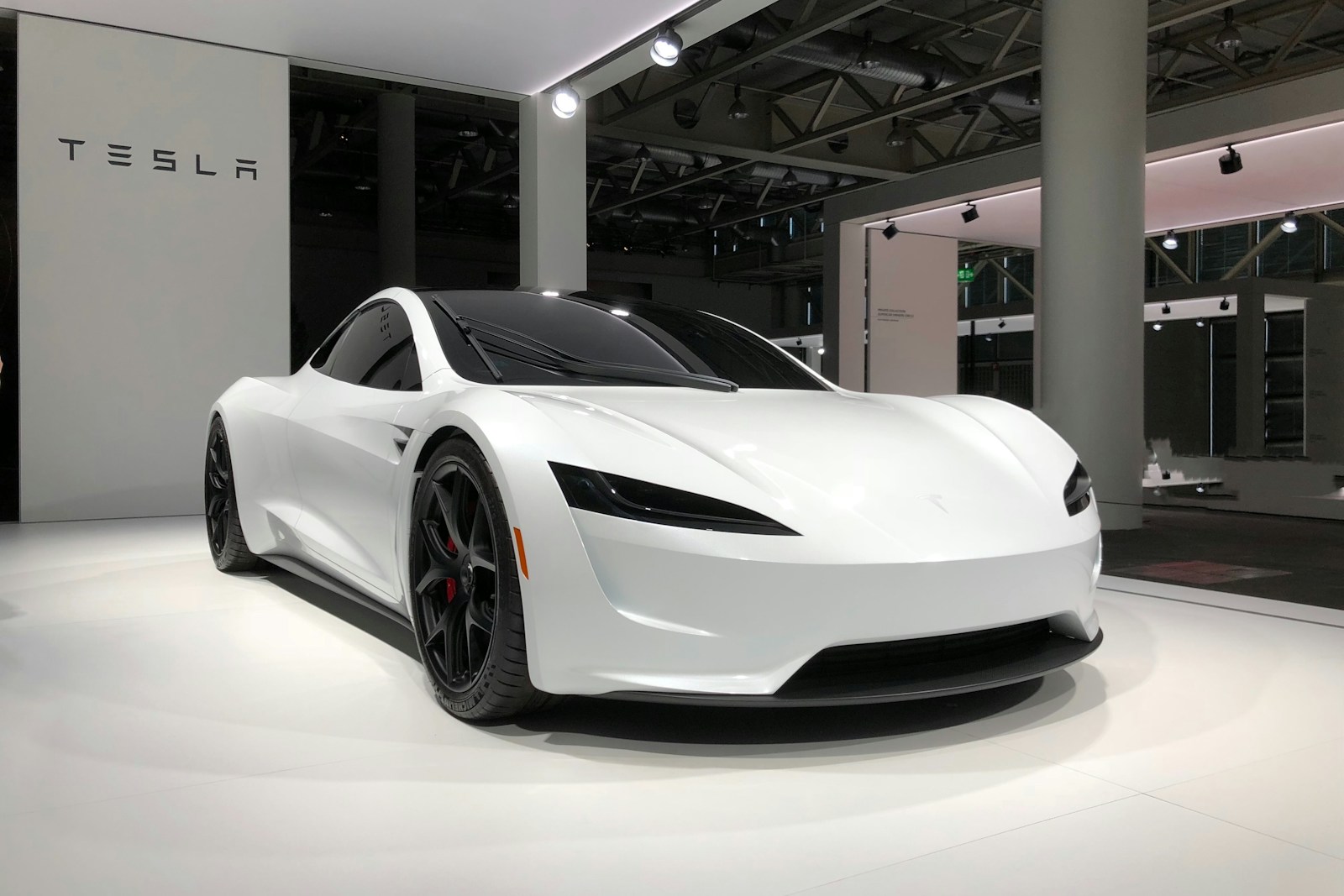

Tesla has dropped prices again across its vehicle lineup, and the savings are substantial for buyers shopping right now. Depending on the model, customers can save between $4,000 and $5,000 off previous MSRPs, with total potential savings reaching $6,000 to $10,000 when combining price reductions with enhanced financing offers, trade-in bonuses, and referral credits. These cuts mark another chapter in Tesla’s ongoing strategy to fight for dominance in an increasingly competitive electric vehicle market.
The timing of these reductions puts prospective buyers in an interesting position. On one hand, the current prices represent demonstrably lower costs than just months ago, guaranteeing immediate savings for anyone ready to purchase. On the other hand, Tesla’s pattern of repeated price adjustments leaves some shoppers wondering whether waiting might yield even better deals down the road.
Beyond the immediate dollar amounts, these price cuts carry broader implications for the entire EV market. Current Tesla owners are watching their vehicles’ resale values shift, while competing automakers face mounting pressure to match these aggressive pricing strategies. Understanding exactly how much buyers can save and what these moves mean for the future helps both shoppers and owners navigate this rapidly evolving landscape.

How Tesla’s Latest Price Cuts Affect Buyers’ Savings
The electric vehicle maker’s newest round of price reductions translates to substantial savings across its lineup, with some models dropping thousands of dollars below their previous sticker prices. Combined with available federal incentives, these cuts have made Tesla ownership more accessible than ever for mainstream buyers.
2026 Tesla Model Prices and New Discounts
Tesla’s current pricing structure reflects aggressive reductions across its core models. The Model 3, which serves as the company’s entry-level sedan, now starts at a lower price point than it did just months ago. The Model Y, Tesla’s best-selling crossover, has seen similar cuts.
The price adjustments vary by trim level and configuration. Base versions of both the Model 3 and Model Y have received the most significant percentage reductions, while performance variants have seen more modest decreases. These strategic cuts ensure more configurations qualify for government incentives.
The most expensive Tesla models, including the Model S and Model X, have also been reduced. While these premium vehicles carry higher price tags, the cuts still represent meaningful savings for luxury buyers. Tesla’s pricing strategy appears designed to boost volume across all segments while maintaining its market leadership position.
Real Examples: How Much Could You Save Now
A buyer purchasing a Model Y today could save several thousand dollars compared to the same vehicle’s price earlier this year. When factoring in the reduced sticker price against previous pricing, the savings become immediately apparent for anyone who delayed their purchase.
The timing matters significantly for prospective buyers. Someone who bought a Tesla just weeks before the latest price cut would see their vehicle’s value affected, while new buyers benefit from the lower entry point. The company’s willingness to adjust prices quickly creates both opportunities and risks.
Inventory vehicles offer even deeper discounts. Tesla frequently prices existing stock below the standard configurator price, especially for vehicles with delivery miles or previous use as demo units. Buyers flexible on color and options can find additional savings beyond the advertised cuts.
Understanding the EV Tax Credit and Federal Incentives
The federal EV tax credit provides up to $7,500 for qualifying electric vehicle purchases. Tesla’s price reductions have strategically positioned several models to meet the price caps required for credit eligibility, making the effective cost even lower for buyers.
Eligibility depends on multiple factors including the vehicle’s final sale price, where it was assembled, and battery component sourcing. Buyers must also meet income requirements to claim the full credit. Tesla’s website indicates which configurations qualify, though rules can change.
State and local incentives may provide additional savings on top of the federal credit. Some regions offer rebates, reduced registration fees, or access to carpool lanes. When combined with Tesla’s price cuts, these programs can reduce how much a Tesla costs by thousands more than the sticker price suggests.
What Falling Tesla Prices Mean for Owners, Shoppers, and the EV Market
Tesla’s aggressive price reductions are creating ripple effects across three key groups: current owners watching their vehicles depreciate faster than expected, shoppers weighing whether to buy now or wait, and the broader electric vehicle industry adjusting to intensified competition from Chinese manufacturers.
Impact on Tesla Resale Value and Used Car Prices
Current Tesla owners are experiencing significant depreciation on their vehicles. Used Tesla prices have dropped substantially since the company began slashing new vehicle prices in late 2022. A Model 3 or Model Y purchased just two years ago has lost considerably more value than comparable gas-powered vehicles during the same period.
The decline in resale value stems directly from Tesla’s repeated new car price cuts. When the company drops the price of a new Model Y by several thousand dollars, used versions of the same model must adjust downward to remain competitive. Used EV prices for Tesla models are falling faster than the broader used electric vehicle market.
For shoppers, this creates opportunities. Used Tesla sales are increasing as resale values tumble, with buyers finding deals on relatively new vehicles with low mileage. A 2024 Model 3 with under 15,000 miles can now be purchased for thousands less than it cost new just months ago.
Tesla’s Market Share and Competition from Chinese EV Makers
Tesla’s price cuts reflect mounting pressure from Chinese EV makers including BYD and NIO. BYD has emerged as a formidable competitor, offering electric vehicles at lower price points with comparable features. Tesla is fighting for dominance in a maturing EV market where it no longer enjoys the brand loyalty it once commanded.
The company’s strategy prioritizes market share over profit margins. By undercutting competitors on price, Tesla aims to maintain its position as the top-selling EV brand while increasing production volume. Chinese manufacturers have forced this hand by entering international markets with aggressive pricing and government subsidies.
Market share battles are intensifying in key regions. Tesla’s EV sales have declined in Germany, Australia, and China, forcing the company to respond with deeper discounts. The price war benefits consumers but squeezes profit margins across the industry.
Shifting Brand Perception and Future Innovations
Tesla’s brand perception has shifted as the company transitions from premium innovator to volume manufacturer. The frequent price changes have created uncertainty among buyers and frustrated owners who paid higher prices weeks before announced cuts. Some longtime Tesla owners are choosing to sell as brand loyalty weakens.
The company’s focus on autonomous driving and robotaxi services represents a potential path beyond price competition. Tesla continues investing heavily in self-driving technology, positioning these innovations as future revenue drivers that could justify premium pricing once again. However, regulatory hurdles and technical challenges have delayed the rollout of fully autonomous features.
For now, Tesla appears committed to winning through affordability rather than exclusivity. The brand that once symbolized luxury electric vehicles now competes on value, making EVs accessible to mainstream buyers who previously considered them too expensive.
More from Steel Horse Rides: