

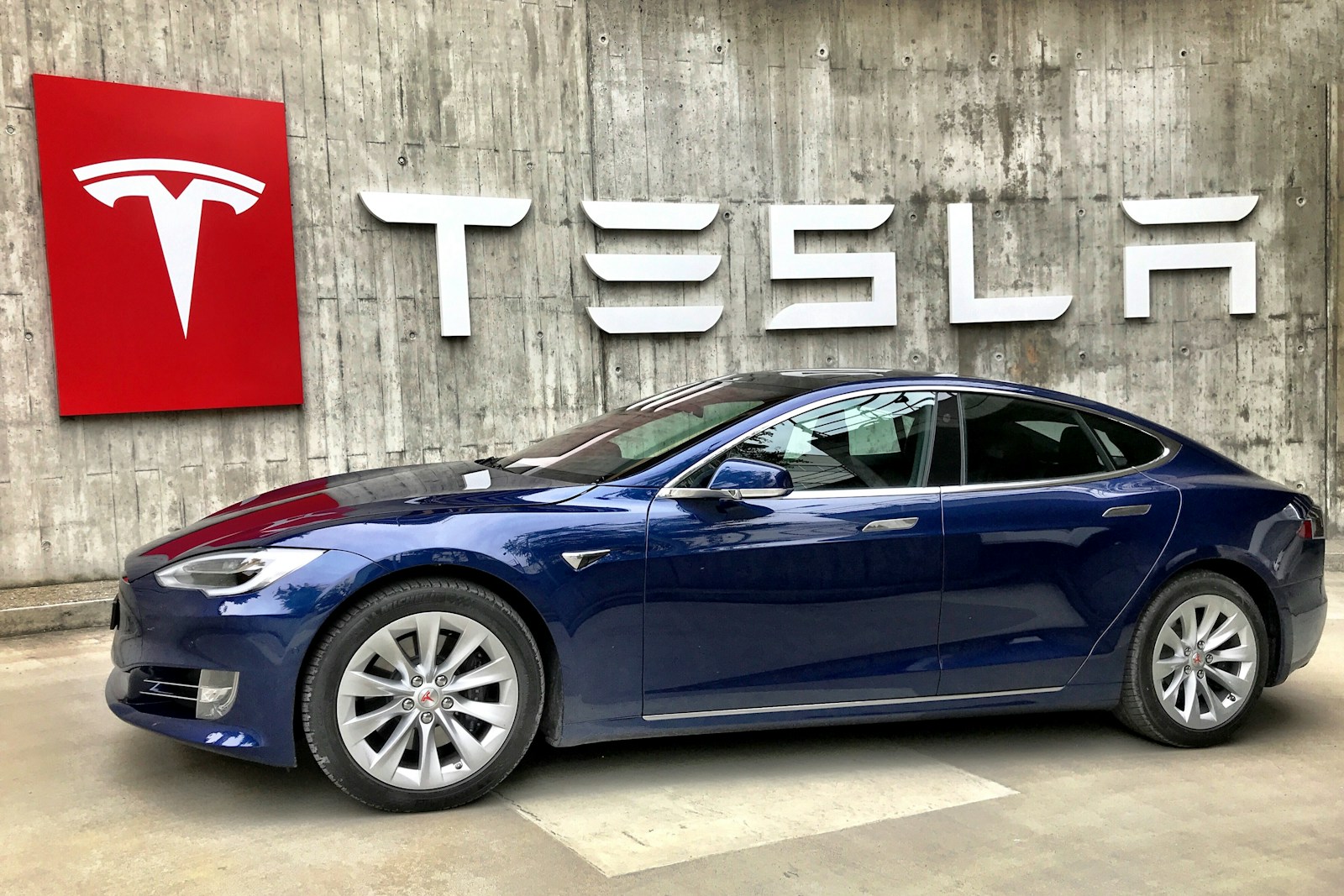
Tesla has announced another round of price cuts across its vehicle lineup, a move that affects potential buyers and competitors alike. The electric vehicle (EV) manufacturer has reduced prices by as much as 20% on some models, leading to a starting price of $39,990 for the Model 3 and $54,990 for the Model Y. This strategy is aimed at increasing sales volume amid growing competition in the EV market and concerns about an economic slowdown.
Price Reductions and Their Impact
The latest price adjustments come after Tesla made similar cuts in early 2023, which helped boost sales figures significantly. In the first quarter of this year, Tesla delivered 422,875 vehicles, a 36% increase from the same period in 2022. By lowering prices again, the company aims to sustain this momentum as it faces pressure from traditional automakers ramping up their own electric offerings.
For instance, the Ford Mustang Mach-E, which competes directly with the Model Y, has seen a price increase in recent months due to rising production costs. With Tesla’s price cuts, consumers may find it increasingly difficult to justify paying more for competitors’ models. This could lead to a shift in market dynamics, with Tesla solidifying its position as a leader in the EV space.
Market Reactions
Stock market analysts have reacted swiftly to Tesla’s price cuts. The company’s shares fell by approximately 5% in after-hours trading following the announcement, illustrating investor concerns about profit margins. Tesla’s gross profit margin, which was reported at around 25% in the latest earnings call, could face additional pressure if these price reductions continue.
In contrast, some analysts believe that the long-term benefits of increased sales volume may outweigh the immediate financial impact. “Tesla’s strategy is clear; they are looking to capture as much market share as possible,” said Dan Ives, a well-known analyst at Wedbush Securities. “This move could pay off in the long run, especially as they work to scale production and reduce costs.”
Consumer Behavior and Demand Trends
Consumer response to Tesla’s previous price cuts has been overwhelmingly positive. The company reported a significant uptick in demand following the January price reductions, with many buyers expressing relief at the more accessible pricing. This trend may continue as potential customers weigh the benefits of electric vehicles against rising fuel prices and increasing environmental concerns.
According to a recent survey by Consumer Reports, 64% of respondents indicated they would consider purchasing an electric vehicle if prices were more competitive. Tesla’s aggressive pricing strategy could harness this interest and convert it into sales, especially among first-time buyers who may have previously found the vehicles out of reach.
Competitive Landscape
Tesla’s price cuts also signal a more aggressive posture in a rapidly evolving automotive market. Rivals such as General Motors, Ford, and Volkswagen are investing heavily in electric vehicle technology, but many find their offerings still lagging behind Tesla in terms of range, performance, and brand loyalty. For example, the 2023 Chevrolet Bolt EV has a starting price of $26,500, but it lacks the range and performance that many consumers have come to expect from a Tesla.
Additionally, as other manufacturers begin to unveil their own electric models, they may be forced to reconsider their pricing strategies to remain competitive. The end result could lead to a price war in the EV segment, benefitting consumers but also putting pressure on manufacturers’ margins.
Challenges Ahead
Despite its market leadership, Tesla faces several challenges that could complicate its pricing strategy. Supply chain issues, rising raw material costs, and potential economic downturns are looming factors that could impact production and profitability. As the company looks to expand its manufacturing capabilities and introduce new models, including the Cybertruck, maintaining a balance between pricing and profitability will be crucial.
Moreover, with the upcoming federal incentives for electric vehicles set to change in the coming years, Tesla’s pricing strategy may need to adapt to ensure continued consumer interest. The current federal tax credit allows buyers to receive up to $7,500 back, but this program may adjust or phase out as more automakers qualify for the incentives.
Tesla’s recent price cuts represent a bold strategy to capture more market share and stimulate demand in an increasingly competitive electric vehicle market. While the immediate reaction may be negative in terms of stock performance, the long-term implications could reshape consumer behavior and industry dynamics. As more automakers enter the EV space, the landscape will continue to evolve, making it essential for both consumers and investors