

Tesla has gone from being a beloved symbol of innovation to the only electric vehicle brand in America with a net negative perception among consumers, according to recent survey data. The company that once dominated both the EV market and the cultural conversation now finds itself at the center of a widening divide, with more Americans saying they view the brand negatively than positively.
The shift has been dramatic and recent. Tesla is the only EV brand with negative perception, with 39% of surveyed consumers holding negative views compared to just 32% with positive ones. Even more telling, 38% of people say their opinion of Tesla has grown more negative over just the past six months, while only 16% report feeling more positive about the brand.
The numbers reveal something unusual happening in the automotive world. While other EV makers are building momentum and Tesla’s era of dominance appears to be shifting, the company’s reputation crisis extends beyond typical market competition into territory few major brands have experienced.
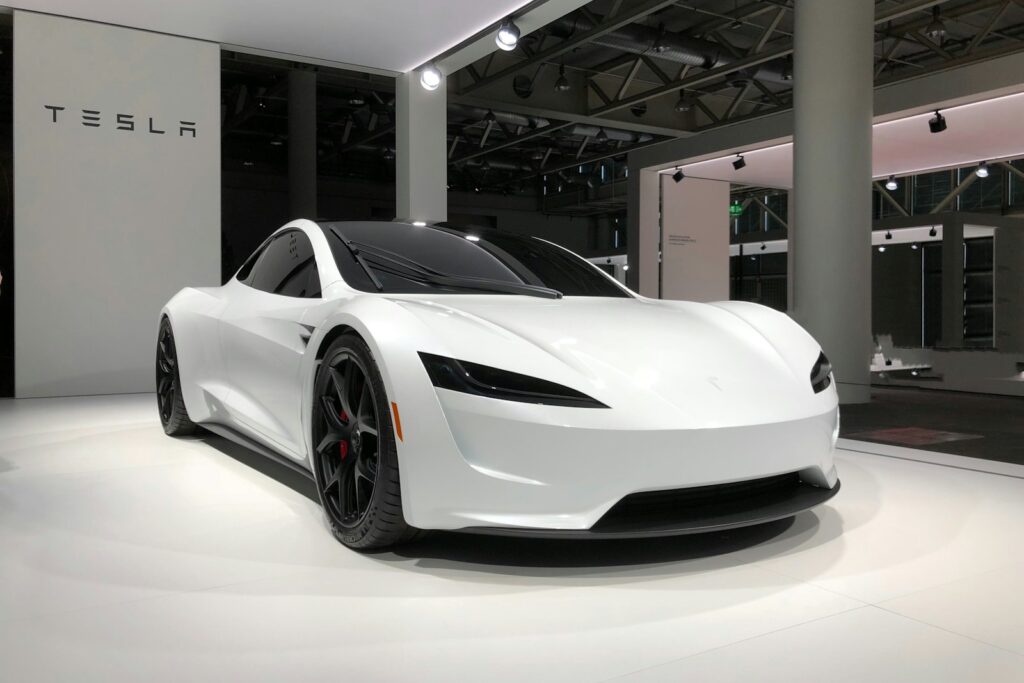
Why Tesla Has Become So Divisive in America
Tesla’s polarization stems primarily from CEO Elon Musk’s political involvement with the Trump administration and his role leading DOGE, which has triggered widespread consumer backlash and even violent attacks against the brand.
The Role of Elon Musk and Political Controversies
Elon Musk’s political trajectory took a sharp turn when he aligned himself with the President of the United States and created the Department of Government Efficiency. DOGE has been responsible for thousands of public sector job cuts, making Musk a lightning rod for controversy.
Tesla stock dropped at least 34% year-to-date as of April 2025, with shares dipping below $222 on April 8. This came after Tesla stock reached record highs in late 2024. The company’s market value evaporated alongside growing anger over Musk’s government role.
Analysts have noted that Musk’s shift to right-wing politics doesn’t sit well with potential Tesla buyers. His political brand became inseparable from the company’s image, creating a situation where purchasing a Tesla felt like a political statement rather than simply buying a car.
Public Sentiment and Consumer Backlash
Progressive Tesla owners are offloading their vehicles specifically due to Musk’s political influence. From celebrities to school teachers, former fans of the brand are abandoning it entirely.
Tesla reported a 13% decrease in vehicle sales and a 36% drop in stock value during the first quarter of 2025. The company that once dominated electric vehicle sales in California, Nevada, New Jersey, and Washington found itself facing an existential crisis. Even shareholders have soured on Musk’s leadership.
The brand went from being the best-selling vehicle in the world at one point in 2024 to facing widespread consumer distrust. This represents a dramatic reversal for a company that produces some of the most competitive EVs on the market.
Notable Incidents and Protests Against Tesla
Americans have vandalized Teslas at dealerships and in parking lots, with several videos of people keying vehicles going viral on Instagram and X. Teslas have been firebombed, prompting an FBI investigation into what Attorney General Pam Bondi officially categorized as domestic terrorism.
The FBI created a task force to investigate and prevent anti-Tesla attacks. Bad actors have attacked Tesla owners both on and off the road, creating a climate of fear around the brand.
A group called the “Grandma Brigade” gathered outside a Tesla showroom and service center on Pullman Street in Costa Mesa to protest Musk’s involvement with the administration. While some groups organized peaceful protests, the violence against Tesla property and owners marked a troubling escalation in politically motivated attacks.
The EV Market Shift: Tesla and Its Competitors
Tesla’s dominance in the electric vehicle market has eroded significantly as traditional automakers like Ford, GM, and emerging players have introduced competitive models with expanding charging infrastructure and improved battery manufacturing capabilities. The company’s market share has dropped from nearly 75% in early 2022 to around 43.5% by 2025, while rivals gain momentum through economies of scale and diverse EV offerings.
Tesla’s Evolving Image Among American Car Buyers
Tesla’s brand perception has shifted dramatically as CEO Elon Musk’s political activities have influenced consumer sentiment. Tesla’s U.S. sales dropped 8.6% year over year in the first quarter, marking a notable decline for a company that once seemed unstoppable. Protests at Tesla dealerships have emerged as some buyers distance themselves from the brand.
The company’s aging lineup has also contributed to changing buyer attitudes. While the Model Y and Model 3 remain popular sellers, Tesla’s market share hit near eight-year lows as consumers chose electric vehicles from an expanding roster of competitors. The combination of controversial leadership decisions and limited model updates has created challenges for a brand that built its reputation on innovation and forward-thinking design.
How Rival Automakers Are Gaining Ground
Traditional automakers have accelerated their electric vehicle strategies with impressive results. Ford achieved 11.5% growth while Chevrolet saw a 114.2% surge in sales during the first quarter. The Ford Mustang Mach-E and Chevrolet Equinox EV have made significant inroads against Tesla’s established models.
General Motors doubled its EV sales and captured 15% of the market by Q2 2025. Porsche emerged as an unexpected competitor with a 249% sales increase, demonstrating that luxury brands are finding their footing in the electric car segment. Even the Ford F-150 Lightning has outsold Tesla’s Cybertruck, showing that established nameplates carry weight with American buyers.
Legacy manufacturers have leveraged their existing dealer networks, brand loyalty, and manufacturing expertise to compete. Companies like Stellantis, Hyundai, Toyota, Volkswagen, and Mercedes-Benz have all introduced electric vehicles to capture market share. BYD has dominated globally, particularly in China, while BMW and Rivian have carved out their own niches in the premium segment.
Tesla’s Market Leadership and Innovation
Despite declining percentages, Tesla moved 128,100 units in the first quarter and still sells more than the next ten companies combined. The Tesla Model Y and Tesla Model 3 remain the only electric vehicles to achieve more than 10,000 sales in recent quarters among nearly 90 EV models available.
Tesla’s vertical integration in battery manufacturing and battery cells gives it cost advantages that competitors struggle to match. The company’s charging network remains superior to most alternatives, providing a seamless ownership experience that other automakers are only beginning to replicate through partnerships and investments in charging infrastructure.
The brand’s early investment in economies of scale for electric car production positioned it years ahead of traditional manufacturers. This head start allowed Tesla to refine its manufacturing processes and battery technology while others were still developing their first serious EV offerings.
Challenges Facing Tesla’s Future
Tesla’s market share has declined from 5% to around 3% year over year, reflecting the intensifying competition. The company has experienced an executive exodus spanning sales, manufacturing, and policy roles, raising questions about organizational stability during a critical period.
The expiration of federal EV tax credits poses challenges for the entire industry. Battery electric vehicle market share dropped to 5.7% of all new car sales in Q4 2025, down from 8.7% a year prior. Potential automotive tariffs and shifting public policy add uncertainty to the market’s trajectory.
Leadership instability and operational headwinds have compounded Tesla’s difficulties in 2025. The company must address brand perception issues while maintaining its innovative edge in a sector where competitors have caught up in technology and production capabilities. The path forward requires Tesla to navigate these challenges while approximately 90 electric vehicle models compete for buyer attention.
More from Steel Horse Rides: