
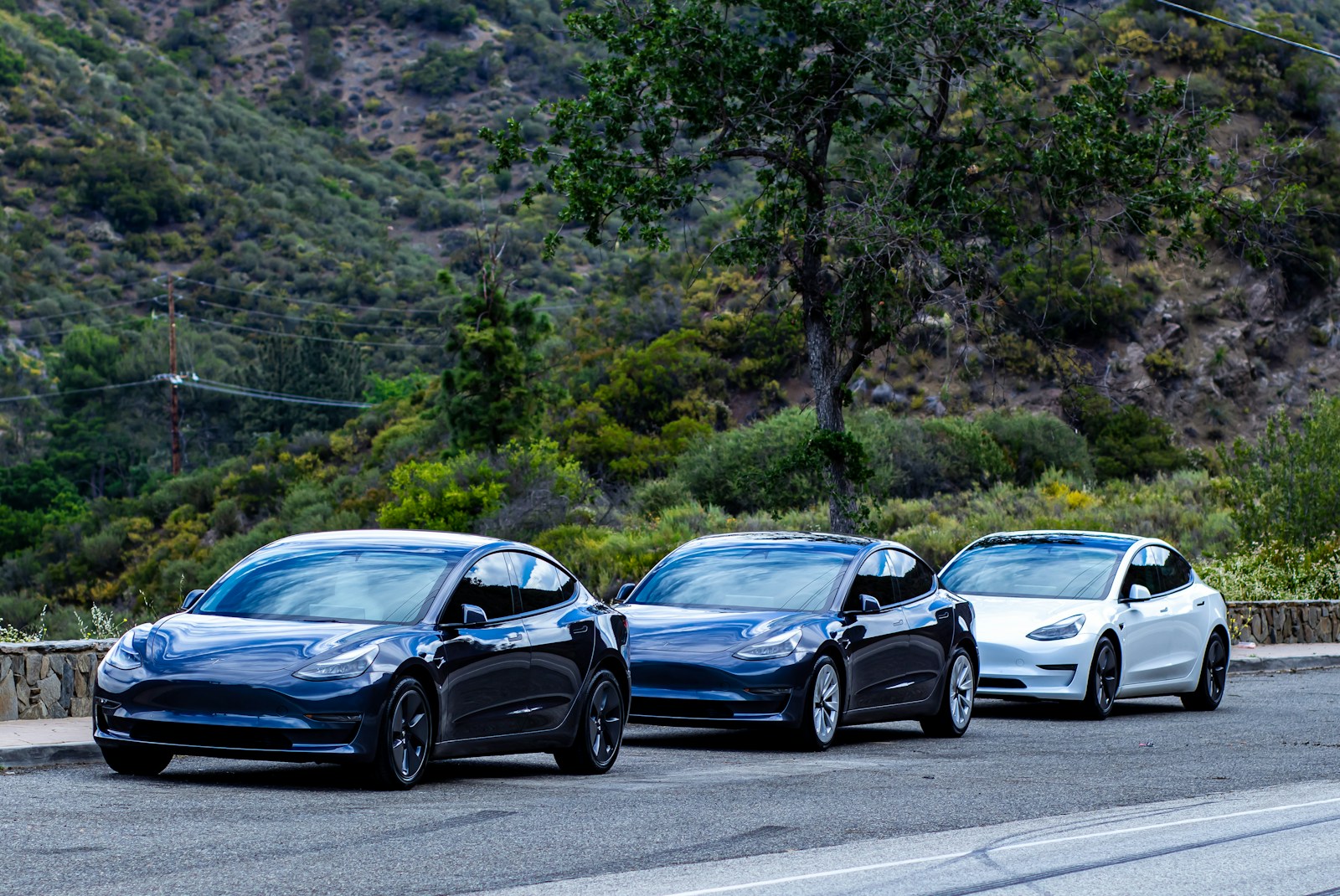

Tesla just took a chainsaw to its own history, retiring the flagship sedans that made the brand famous so it can pour money and factory space into humanoid robots. The Tesla Model S and Model X are being given what Tesla CEO Elon Musk calls an “honorable discharge,” and roughly 40 percent of the company’s consumer lineup is vanishing so Optimus can move in. I see that as less a quirky side project and more a hard pivot away from being a carmaker first.
From S3XY to skinny: Tesla shrinks the lineup to feed Optimus
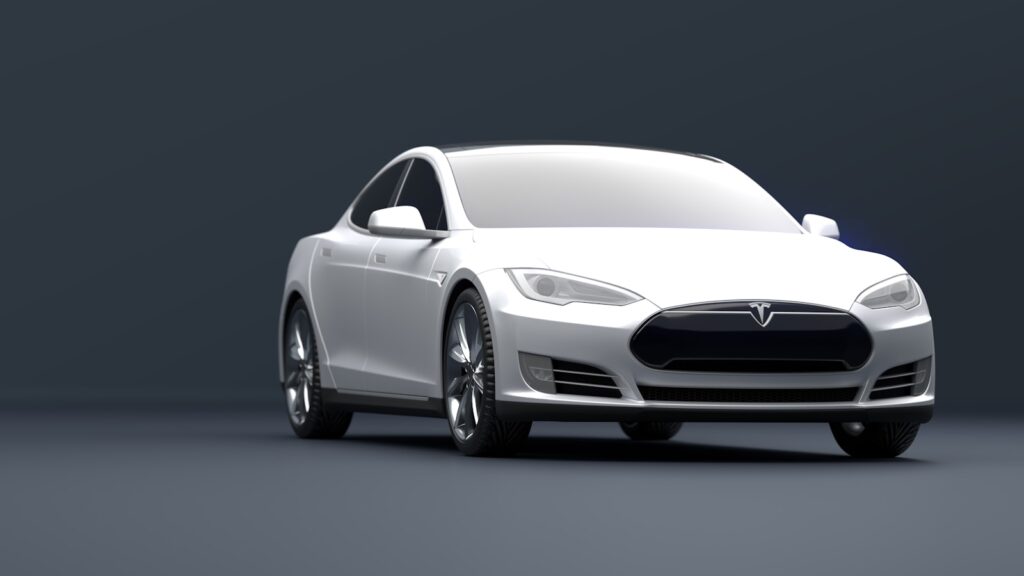
The basic facts are brutal for anyone who grew up seeing a Model S as the default Silicon Valley driveway flex. Tesla is discontinuing the Model S and Model X globally by the end of the second quarter, clearing out the space those cars occupy in its Fremont factory so it can build Optimus humanoid robots instead. In its latest shareholder update, the company framed this as part of a shift from a hardware centric automaker to a broader tech platform, and it plans to convert the California plant in a way that actually reduces the factory’s overall footprint while it retools for robots and autonomous systems, according to its update. Once the cars that defined Tesla are gone, the company will lean on the Model 3, Model Y and Cybertruck to carry the EV side of the business while the robots ramp.
Underneath the drama is a very specific bet on where the next trillion dollars of value might come from. Tesla, which trades on the NASDAQ under the symbol TSLA, has committed about $20 billion to robotics and is explicitly steering capital away from low volume luxury cars and into Optimus and autonomous vehicles, according to a Quick Read of its plans. The company is not just talking about robots as a side hustle either, it is promising investors that Optimus will eventually generate revenue as a product line in its own right, a point it underscored when it told shareholders it plans to sell the humanoids rather than keep them as internal tools only, as laid out in the same shareholder materials. When I look at that combination of factory conversion and capital allocation, it reads less like a quirky experiment and more like a full on identity change.
Musk’s robot obsession and the 40 percent gamble
Elon Musk has been telling anyone who will listen that investors should think of Tesla as more than a car company, and now he is backing that up with the most painful kind of proof: killing off beloved products. The Tesla CEO has ordered the end of production for the well known Model S sedan and its Model X sibling, and he is pitching Optimus as the next growth engine for TSLA rather than another crossover or pickup, according to investor focused reporting. In a recent call, he described the Tesla Model S and Model X as receiving an “honorable discharge,” a line that landed like a eulogy for the cars that once defined the brand’s image, as recounted in a news analysis of the move.
Inside the company, Musk is tying the decision directly to autonomy and robotics rather than just weak sales. He has said that Tesla will discontinue the Model S and Model X by the end of the second quarter because of its focus on autonomy, even as he acknowledged how badly these vehicles were doing compared with the cheaper models, according to a detailed look at how Elon Musk framed the call. Another critique put it more bluntly, noting that Musk’s answer to a limited product lineup was to cancel 40 percent of the existing models, warning that shrinking the catalog while growth is already slowing is asking for trouble, as one sharp commentary put it using the exact figure of 40 percent. I read that as the core tension here: Musk is betting that a smaller, more focused lineup plus robots will excite Wall Street more than a full garage of cars ever could.
What a robot-first Tesla means for cars, factories and the rest of us
On the ground, this pivot is going to be felt first in Fremont and in the garages of people who thought they might eventually snag a new Model S. Tesla has said it will take the Model S and X production space in its Fremont factory and convert that into an Optimus factory, with the long term goal of building humanoid robots that can carry loads of up to 45 lb (20 kg) and handle chores in homes and warehouses, according to its own description of the Fremont plan and a technical rundown of how these bipedal bots are supposed to work. Source documents from Tesla show that revenue from the Model S and Model X fell 30 percent to $1.42 billion before the decision, and that the company is now steering those resources into Optimus, a shift that was spelled out in a briefing citing Source. Once the Model S and Model X stop rolling off the line, anyone who still wants one will be hunting used listings or leftover inventory, a reality already flagged in coverage that opened with the phrase Once the cars that defined Tesla.
More from Wilder Media Group: