
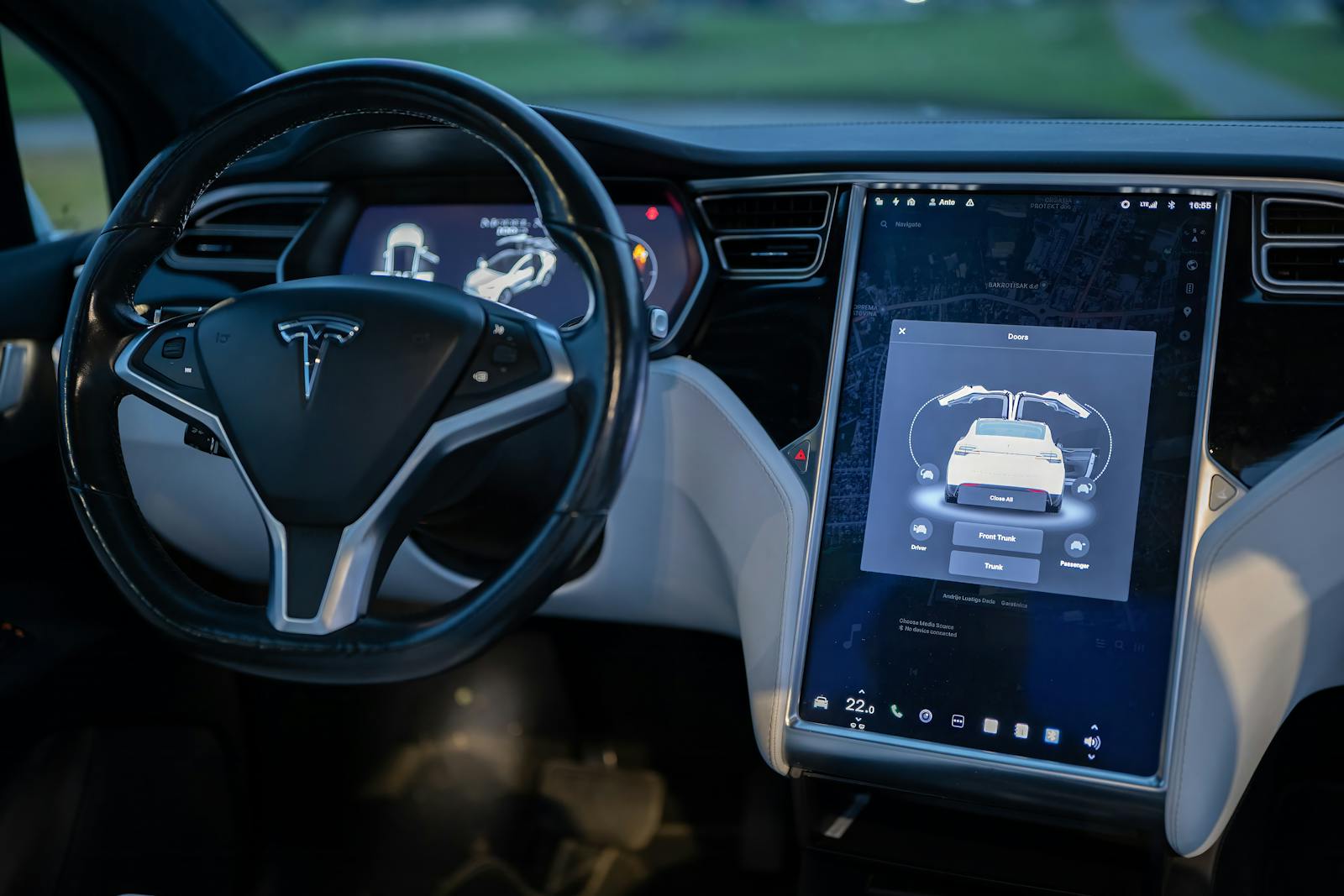

Tesla’s advanced driver assistance technology is under increasing federal scrutiny as multiple investigations expand across nearly 3 million vehicles. The National Highway Traffic Safety Administration has been examining the company’s Full Self-Driving system after connecting it to dozens of crashes and traffic safety violations.
Federal regulators upgraded their probe after finding instances where Tesla’s driving software struggled in low-visibility conditions, while a separate investigation focuses on whether the company delayed reporting crashes to the government.
The investigations cover essentially all Teslas equipped with FSD technology and raise questions about the system’s ability to safely navigate real-world driving conditions. The expanded scrutiny could lead to significant regulatory challenges for Tesla as it continues developing and deploying its autonomous driving features across its vehicle lineup.
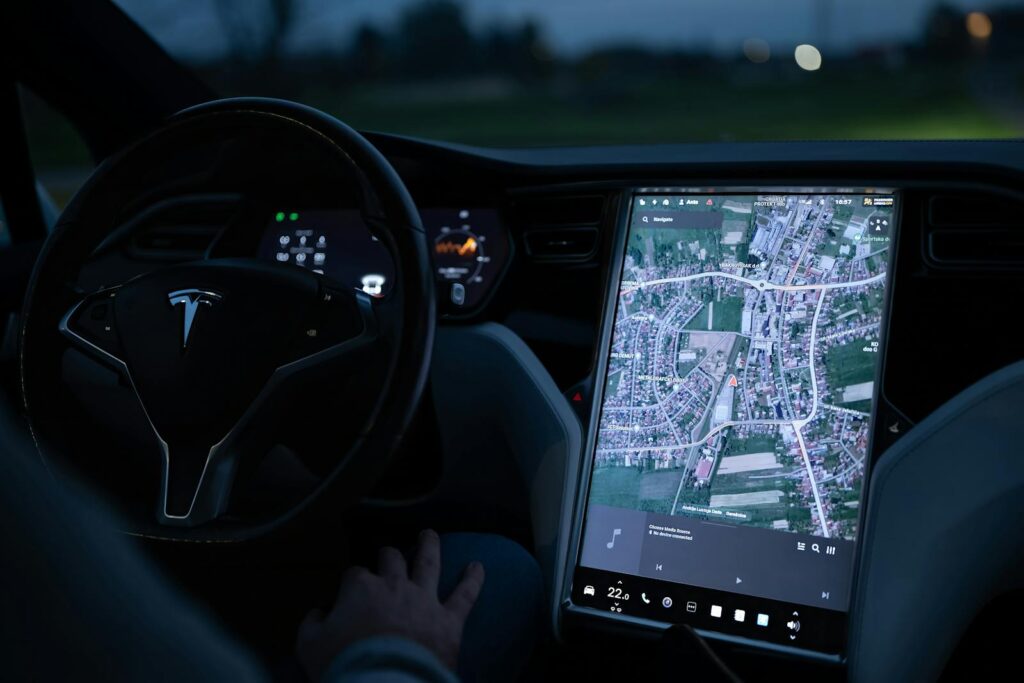
Heightened Scrutiny and Expanding Investigations
Federal regulators have escalated their examination of Tesla’s automated driving technology, now covering 3.2 million vehicles as concerns mount over the system’s performance in challenging conditions. The probe has expanded beyond initial investigations, with multiple regulatory bodies now involved.
Recent Federal Probes and Their Scope
The National Highway Traffic Safety Administration upgraded its investigation into Tesla’s Full Self-Driving system in March 2026, significantly broadening the scope of its inquiry. The probe now scrutinizes 3.2 million Teslas, up from the 2.4 million vehicles initially examined when the evaluation launched in October 2024.
The investigation has been elevated to an Engineering Analysis, which represents a more serious phase in NHTSA’s review process. This upgrade typically occurs when regulators identify patterns that suggest potential safety defects requiring deeper technical examination.
NHTSA officials are examining Tesla’s semi-autonomous driving system and its ability to operate in low-visibility conditions. The agency has found multiple instances where the software struggled to navigate safely when weather or lighting conditions deteriorated.
Key Regulatory Bodies and Legal Requirements
The National Highway Traffic Safety Administration’s Office of Defects Investigation leads the primary safety probe. However, federal prosecutors have expanded investigations beyond the partially automated driving systems, with the Justice Department now issuing subpoenas for information rather than simply requesting it.
This shift to subpoenas indicates a more formal legal process requiring Tesla to provide data and documentation about its FSD system. The company must comply with traffic safety laws and federal motor vehicle safety standards, which mandate that automated systems perform reliably across various driving conditions.
The regulatory framework requires manufacturers to report crashes involving advanced driver assistance systems. Tesla faces obligations to provide detailed data about system performance, software versions in use during incidents, and evidence of compliance with safety requirements.
High-Profile Traffic Safety Violations and Crashes
Additional crashes pointing to potential flaws prompted regulators to intensify their investigation. The NHTSA has identified crashes where Tesla’s Full Self-Driving system was engaged during collisions, raising questions about the technology’s safety performance.
One notable incident involved Uber’s former self-driving lead whose Tesla crashed and was totaled while in self-driving mode. These high-profile cases have drawn public attention to potential vulnerabilities in the system.
The crashes share common factors, particularly involving reduced visibility from fog, heavy rain, or glare. Regulators are examining whether the system adequately detects and responds to these conditions or if it continues operating when it should disengage.
Tesla’s Responses and Software Updates
Tesla has issued multiple software updates for its Autopilot and FSD systems throughout the investigation period. The company continues to market the technology as “Full Self-Driving (Supervised),” emphasizing that drivers must remain attentive and ready to take control.
Elon Musk has defended the technology publicly, though the company faces pressure to demonstrate compliance with safety standards. Tesla must provide regulators with data showing how software versions perform across different scenarios and what improvements updates have delivered.
The investigation could potentially lead to another recall of the Full Self-Driving system. Previous recalls have required over-the-air updates to address safety concerns identified by regulators.
Implications for Tesla and the Future of Self-Driving
The escalating federal investigation could reshape Tesla’s competitive standing in autonomous vehicle development while raising questions about camera-based systems and the viability of unsupervised self-driving features. The scrutiny extends beyond immediate safety concerns to influence investor confidence and the broader trajectory of robotaxi deployment.
Impact on Tesla’s Market Position and Stock
Tesla stock faces pressure as the intensified NHTSA probe examines 3.2 million vehicles across Model S, X, 3, Y, and Cybertruck lines. Trading activity reflects growing investor unease about potential recalls and liability costs.
The investigation introduces regulatory risk at a time when competitors like BYD are gaining market share in electric vehicle sales. Tesla has positioned FSD as a key differentiator justifying premium pricing, but safety concerns threaten that advantage. A recall could require extensive software modifications across the fleet.
The company’s valuation has historically priced in future autonomy revenues from robotaxis and subscription services. If regulators impose restrictions on FSD capabilities or require additional hardware, Tesla’s path to unsupervised self-driving becomes more uncertain and expensive.
Controversies Around Vision-Only System
Tesla eliminated radar sensors from its vehicles in favor of a vision-only system relying entirely on cameras. The NHTSA investigation highlights that cameras struggle in fog, glaring sun, and other reduced visibility conditions where radar might provide redundancy.
Crashes reviewed by regulators show the system failed to detect common roadway conditions that impaired camera performance. The vehicles didn’t provide alerts when camera visibility had deteriorated until immediately before collisions occurred. This approach contrasts with competitors who maintain multi-sensor arrays combining cameras, radar, and lidar.
The vision-only architecture may require fundamental redesign if regulators determine additional sensors are necessary for safety. That would represent a significant technical and financial setback after Tesla removed radar hardware from production lines.
Role of Driver-Assistance Features and Driver Intervention
Tesla markets FSD as Level 2 driver-assistance, requiring constant driver attention and readiness to intervene. However, the branding suggests capabilities beyond what the system actually delivers. The fatal pedestrian crash where FSD was active within 30 seconds raises questions about whether drivers understand their monitoring responsibilities.
Level 2 driver-assistance features place responsibility on humans to supervise and override the system. Yet the technology’s limitations in detecting hazards during reduced visibility create scenarios where driver intervention comes too late. Regulators are examining whether Tesla adequately warns drivers when camera performance degrades.
The gap between marketing promises and technical reality complicates the question of liability. If drivers believe the system is more capable than it is, they may not provide appropriate supervision.
Broader Effects on Robotaxis and Autonomous Technologies
Tesla’s struggles cast doubt on timelines for deploying robotaxis without human drivers. The company has announced plans for autonomous ride-hailing services, but the investigation demonstrates current self-driving technology cannot handle all conditions safely.
Competitors pursuing robotaxi services face similar scrutiny. Regulatory approval for unsupervised operation requires demonstrating safety across diverse scenarios including poor visibility. The NHTSA’s findings suggest camera-only approaches may not meet that threshold without additional support systems.
The investigation could slow the entire industry’s progress toward full autonomy. Stricter testing requirements and mandatory sensor redundancy would increase development costs and delay deployment schedules across all manufacturers working on self-driving technology.
More from Steel Horse Rides:
- 13 Most Powerful Muscle Cars of All Time
- 13 Underrated JDM Cars That Deserve More Love
- 15 JDM Cars That Were Illegal in the U.S.
- 13 SUVs From the ’90s That Are Surprisingly Cool Today