
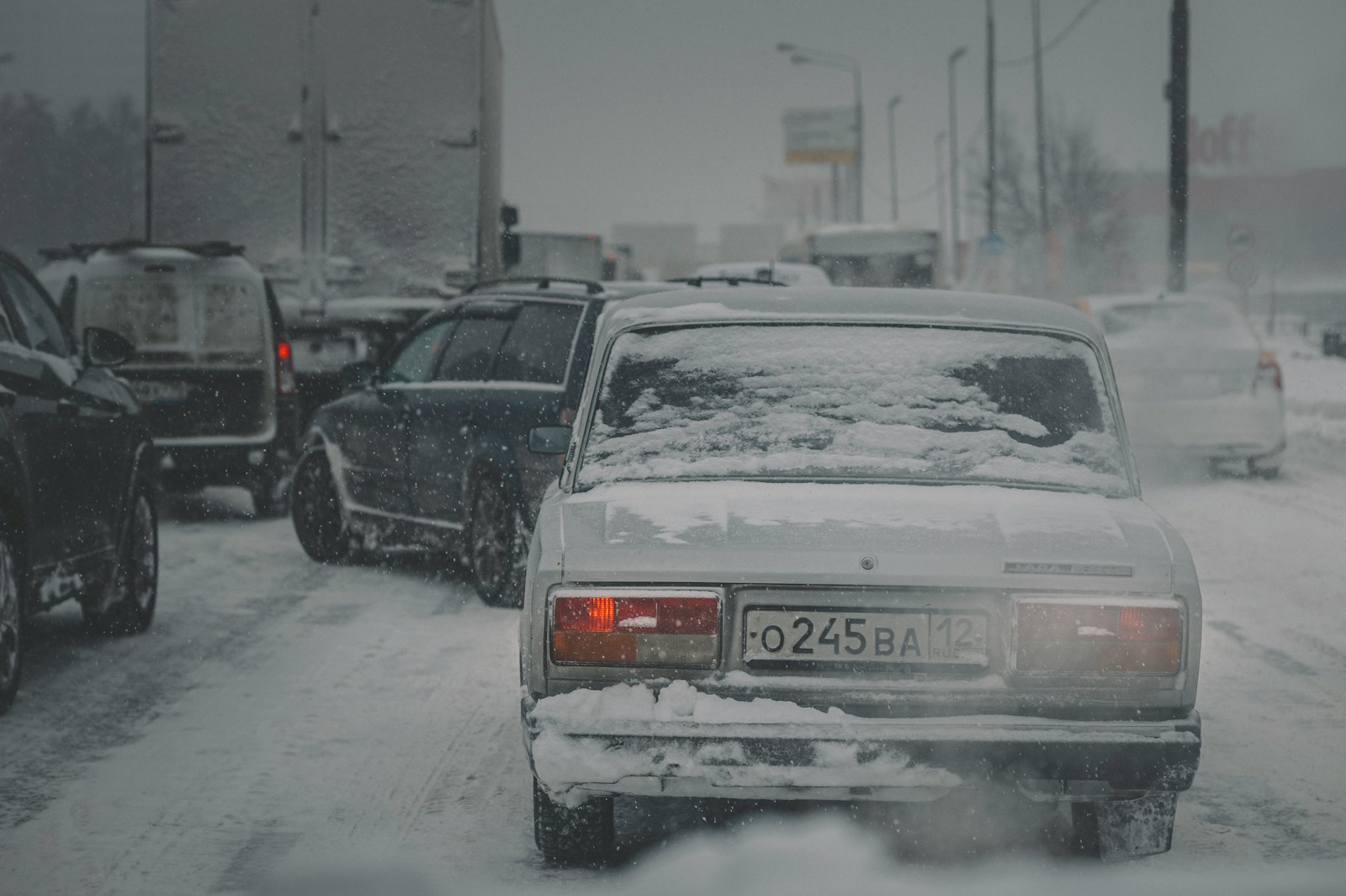

Texas drivers are staring down another round of ice, and this one is serious enough that getting stuck on the highway is not some far‑fetched scenario. When a winter storm locks up traffic or shuts down overpasses, the difference between a miserable wait and a dangerous emergency often comes down to what is already sitting in the trunk. A smart cold‑weather kit turns the car into a lifeboat, not a liability, if the next sheet of black ice strands someone miles from the nearest exit.
With a large and severe winter storm now stretching across much of the state, the priority is staying off the roads whenever possible, but plenty of Texans still have to commute, haul kids, or cover long work routes. For them, the practical question is simple: what exactly should ride along in the back seat when the forecast turns to sleet and freezing rain, and how should that gear be packed so it actually helps if the worst happens?
Why this Texas ice storm is different
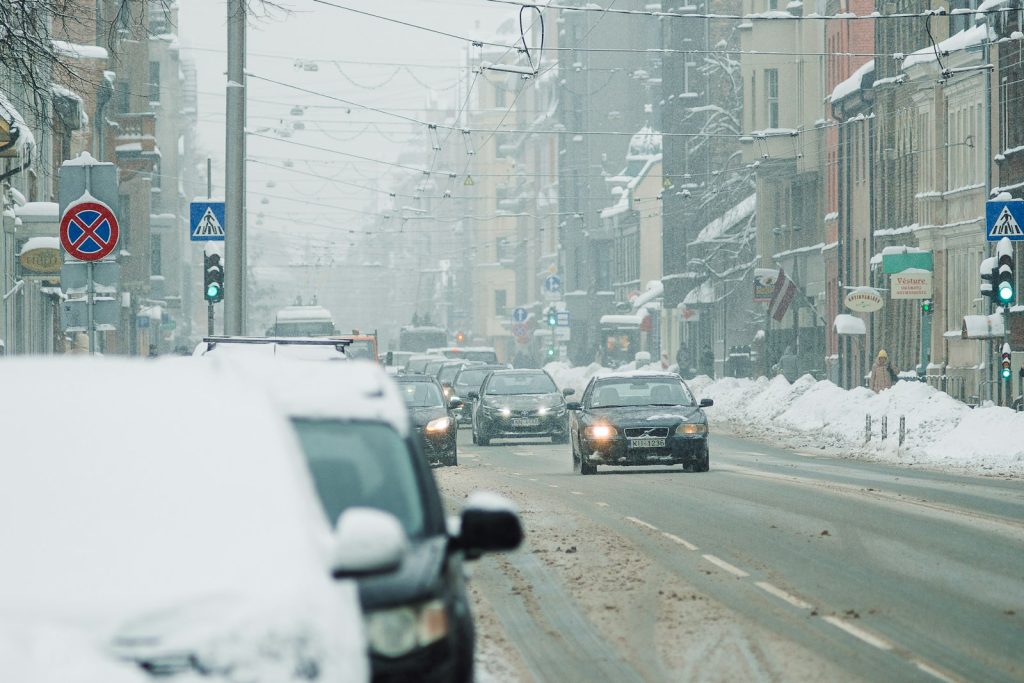
The current blast of winter weather is not just a chilly rain, it is part of a large and severe winter storm that forecasters say will impact a wide swath of Texas with heavy snow, sleet, and freezing rain. Reporting by Natassia Paloma notes that the system is big enough to put cities like Austin and Dallas under winter storm warnings at the same time, a sign that this is not a localized flurry but a statewide problem. The storm is part of a broader system that stretches from New Mexico across the South into the Northeast, with dangerous ice and snow creating cascading travel issues far beyond one county line.
What makes this setup especially tricky for drivers is the mix of precipitation types. Forecasters stress that how much falls as freezing rain versus sleet will determine how bad the impacts get, and that mix will vary by location across the South and in places that lose power. In practical terms, that means one stretch of interstate can be wet while the next overpass is a skating rink, and a scenic drive through the Hill Country can turn into a crawl behind jackknifed trucks. With at least 16 states declaring emergencies and live updates tracking conditions across the region, Texans who still have to travel are being told to treat every trip as if they might be stuck for hours, not minutes.
Why officials keep saying “stay off the roads”
State and local agencies are not being dramatic when they beg drivers to stay home during an ice event, they are looking at physics and crash data. The transportation department has bluntly warned that if icy conditions develop, crews will focus on applying sand and salt to high‑risk spots like Bridges and overpasses first, which means plenty of secondary roads will stay slick for a long time. Guidance from the same agency urges drivers who must be out to slow down, increase following distance, and avoid sudden braking, because even four‑wheel drive does not help when tires are sliding on a sheet of ice.
Public safety messages across the state echo that theme. One reminder shared by local stations tells people that before driving in a winter storm, they should check local road conditions, have a full tank, and keep an emergency kit in the vehicle. Another advisory framed it simply: before you go, stay informed and be ready to sit for a while if a wreck shuts down the highway. When officials are already encouraging everyone to stay off the roads when this freeze hits, as one Jan briefing put it, the subtext is clear: if someone absolutely has to drive, they should pack as if they might not make it home on schedule.
Before you leave: prep the car, then pack the kit
Even the best emergency kit will not fix a car that was never ready for the cold in the first place, which is why safety agencies start with basic maintenance. National guidance underlines that drivers should, Before You Go, check the battery, tires, wipers, and fluids, then Stock Your Vehicle with the gear needed to handle common winter driving tasks. That list includes jumper cables, a flashlight, warning triangles or flares, warm clothing, blankets, nonperishable food, water, and any necessary medicine, all packed where they can be reached without digging through half the trunk.
Texas specific advice lines up with that national checklist. A detailed rundown of what drivers in the state need to do before the winter storm hits starts with a few simple habits: Things like topping off fuel, checking that front and rear lights work, and making sure wiper blades are in good shape. The same guidance tells drivers to Top off the tank and Keep it at least half full in case roads close or traffic stalls, because idling for heat burns more fuel than most people realize. In southeast Texas, where HOUSTON drivers are bracing for frigid conditions, officials have also urged people to inspect tires, test the heater and defroster, and stash a scraper and de‑icer in the cabin so they are not locked in the trunk under a layer of ice.
The non‑negotiables: warmth, water, and food
Once the car itself is ready, the first priority inside any winter kit is staying warm long enough for help to arrive or for traffic to start moving again. Public safety guidance on a Winter Emergency Kit for Your Home and Car says to Start with a flashlight, blankets, and extra clothing, then add items tailored to a family’s needs. That means packing real insulation, not just a hoodie: think wool socks, gloves, knit caps, and at least one heavy blanket per person, plus a couple of compact emergency blankets that reflect body heat. If a driver is stuck on an elevated ramp in San Antonio or outside Austin for three hours with the engine off, that pile of fabric becomes the main heating system.
Water and calories are the next line of defense. The same Winter Emergency Kit guidance recommends storing bottled water and nonperishable snacks like granola bars, nuts, or dried fruit, enough for at least a day. National highway safety tips echo that advice, listing food and any necessary medicine alongside tools and warning devices in the core list of what to carry. In practice, that might look like a small plastic bin with a dozen bottles of water, a sleeve of peanut butter crackers, protein bars, and baby formula or pet food if needed. It is not about gourmet meals, it is about keeping blood sugar stable and dehydration at bay while waiting for a tow truck that is juggling dozens of calls.
Tools that actually help on ice
Beyond warmth and food, a winter kit needs a few simple tools that make it easier to get unstuck or at least stay visible. The Public Safety Message on Building a Winter Emergency Kit for Your Home and Car suggests packing an ice scraper, shovel, and basic tire tools so drivers can clear windows, dig around wheels, or deal with a flat. For Texans, a compact folding shovel is usually enough, paired with a small bag of sand or kitty litter to sprinkle under spinning tires. A sturdy scraper with a brush can clear thick sleet from the windshield faster than the defroster alone, which matters when someone is trying to move a car off a busy shoulder.
Lighting and signaling gear round out the essentials. A reminder shared by NWS and Atlanta offices about winter storm prep highlights the value of a Warning light or road flar so stranded cars are not invisible in blowing snow or freezing rain. National guidance on how to Stock Your Vehicle also calls out warning triangles and a flashlight as must‑haves, ideally with extra batteries. For drivers who prefer an all‑in‑one option, commercial kits like the VCANENERGY Roadside Winter Kit THE PERFECT COMPLETE AUTO EMERGENCY bundle a digital air compressor, jumper cables, snow shovel, and reflective gear into one bag, which can be tossed into the trunk before the first hard freeze.
Electronics, communication, and navigation
In a modern ice storm, the phone is both lifeline and liability, because batteries drain faster in the cold and coverage can be spotty when towers ice over. That is why winter driving tips from multiple safety agencies now treat power banks and charging cables as core gear, not nice‑to‑haves. Drivers are urged to keep at least one fully charged portable battery in the kit, along with a 12‑volt car charger that fits their current phone, so they can call for help, check maps, or pull up local road conditions even if they have been idling with the heater on for hours. A simple paper map of Texas or a specific metro area is still worth stashing in the glove box in case navigation apps glitch or reroute drivers onto closed roads.
Staying informed is just as important as staying powered. A social media advisory shared by KLST reminded drivers that before driving in a winter storm, people should check local road conditions and have a plan if things deteriorate. Regional coverage has also emphasized that Pack emergency supplies before traveling, as Daniel Armbruster with AAA put it, and that drivers should expect reduced reaction and loss of traction when temperatures drop. In practice, that means bookmarking local transportation pages, signing up for text alerts, and checking radar before pulling out of the driveway. For those who regularly commute between cities like San Antonio and Dallas, that situational awareness can be the difference between beating the worst of the ice and spending the night parked on an overpass.
Ready‑made kits vs DIY gear
Not everyone has the time or patience to assemble a winter kit item by item, which is why the market for prepacked options has exploded. Products like the VCANENERGY Roadside Winter Kit THE PERFECT COMPLETE AUTO EMERGENCY are pitched as one‑stop solutions, bundling 92 pieces that typically include jumper cables, a digital air compressor, a snow shovel, reflective triangle, basic first aid, and a few convenience items. A quick search for that product shows how aggressively these kits are marketed to drivers who want peace of mind without a weekend of shopping. For many Texans, especially those who rarely see snow, buying a prebuilt kit and then adding local extras like extra water and blankets is a reasonable shortcut.
There are tradeoffs, though. Some commercial kits skimp on the very items that matter most in a Texas ice storm, like real blankets, quality flashlights, or enough food and water for a family. That is why several safety guides still encourage people to treat store‑bought kits as a starting point, then customize them. A separate listing for the same VCANENERGY gear on another product page highlights the roadside tools but leaves out personal items like medicine or baby supplies, which only the driver can add. The most practical approach is often hybrid: grab a solid base kit, then toss in a duffel with family‑specific essentials, from prescription meds to a favorite stuffed animal that keeps a nervous child calm during a long wait.
Texas city realities: not all ice is the same
One reason winter prep can feel confusing in Texas is that conditions vary wildly from city to city. A driver in Austin might face elevated ramps freezing over the Colorado River, while someone in San Antonio deals with icy flyovers on the Loop and Hill Country commuters navigate winding two‑lane roads. Regional coverage of the current storm notes that cities like Austin, Dallas, and Waco are all in the crosshairs at once, which means long‑haul drivers could roll from wet pavement into a full‑on ice glaze in the span of a single delivery route. That variability is exactly why forecasters keep stressing that How much precipitation falls as freezing rain versus sleet will determine the severity of the impact in each spot.
Driving technique and mindset when the kit comes out
More from Wilder Media Group: