

A recent survey conducted by automotive research firm J.D. Power reveals that despite the plethora of high-tech features available in modern vehicles, only a handful are regularly utilized by drivers. This finding highlights the disconnect between consumer expectations and the actual use of advanced automotive technologies, affecting manufacturers’ design priorities and consumer satisfaction levels.
Survey Insights: What’s Actually Used
The J.D. Power survey, which sampled over 5,000 drivers across the United States, found that features such as adaptive cruise control and lane-keeping assistance, while marketed as essential, are frequently underused. In fact, nearly 60% of respondents indicated they rarely or never use these advanced safety systems. Instead, the features that see the most consistent use include basic functionalities such as backup cameras, Bluetooth connectivity, and smartphone integration through Apple CarPlay and Android Auto.
Top Features in Demand
According to the survey, the top five car features that drivers reported using regularly are:
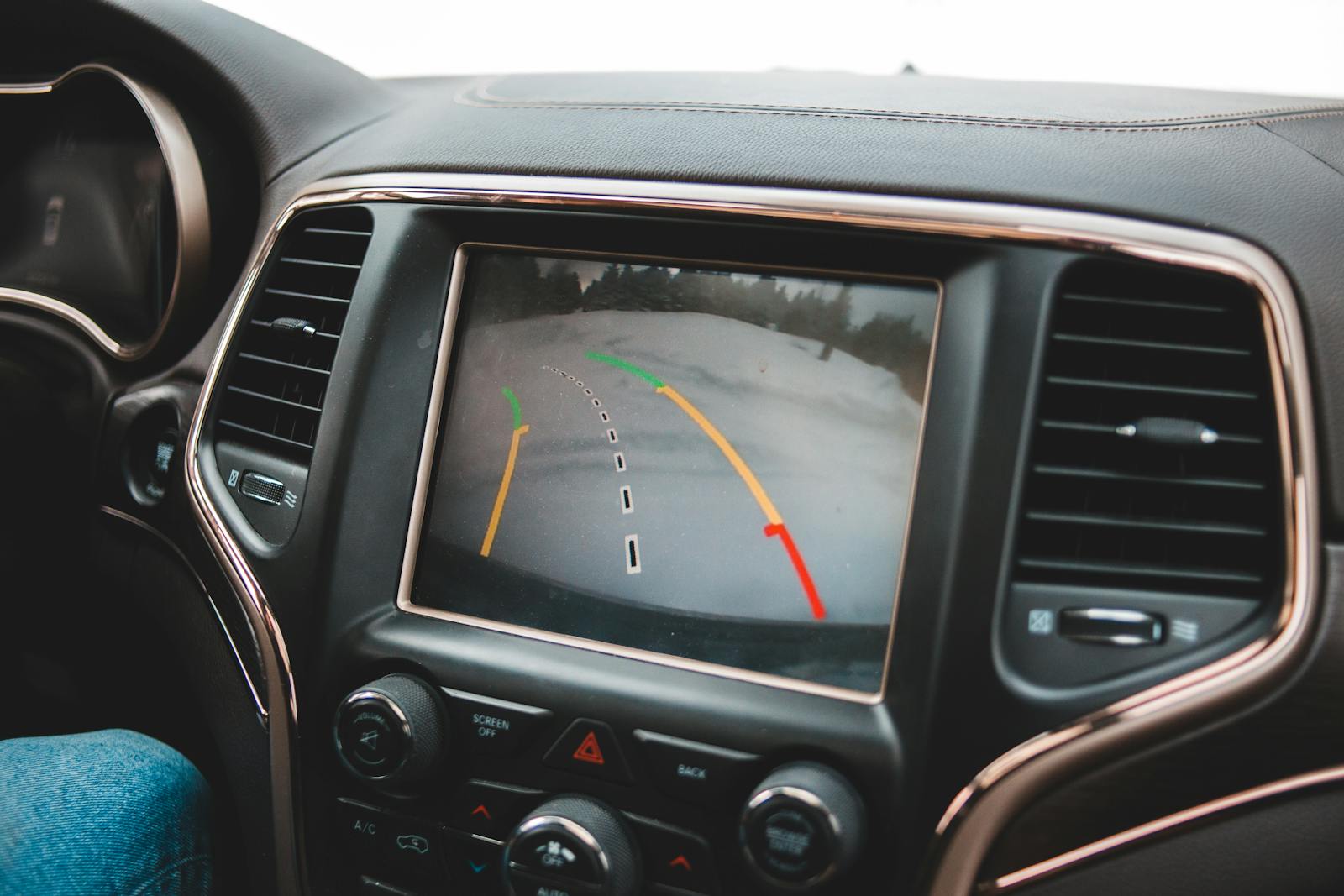
- Backup Cameras: Used by 87% of respondents
- Bluetooth Connectivity: Used by 81% of respondents
- Smartphone Integration: Used by 75% of respondents
- USB Ports: Used by 70% of respondents
- Navigation Systems: Used by 65% of respondents
Backup cameras, mandated in all new vehicles since 2018, have become a standard feature that enhances safety when reversing, thereby explaining their high usage rate. Bluetooth connectivity and smartphone integration have become essential tools for drivers, allowing them to engage with their devices without compromising safety. The convenience of USB ports is also a critical factor, as more drivers rely on electronic devices for navigation and entertainment.
Declining Interest in Advanced Features
While features like adaptive cruise control and lane-keeping assist have gained attention for their potential to improve driving safety, the survey results indicate that many users find them unnecessary or overly complex. In vehicles like the 2021 Tesla Model 3, which boasts a range of high-tech features, nearly 45% of owners reported never using the autopilot feature. This raises questions about the value of these technologies in enhancing the overall driving experience.
Consumer Preferences Drive Market Changes
As automakers pay closer attention to consumer feedback, many are shifting their focus toward enhancing the usability of existing features rather than introducing new, complex technologies. Companies like Ford and Toyota are leading the charge; the 2022 Ford F-150 has integrated user-friendly technology such as a simplified infotainment system, while Toyota has focused on making their safety features more intuitive across models like the 2023 RAV4.
This shift is reflected in sales trends, with both Ford and Toyota reporting increased consumer interest in models that prioritize simplicity and convenience. According to data from Automotive News, sales of the 2022 Toyota RAV4 surged to over 400,000 units, partly due to its emphasis on user-friendly features.
The Importance of Usability
Usability has emerged as a crucial factor in vehicle design, as consumers are increasingly seeking vehicles that simplify their driving experience. Experts suggest that automakers should invest in user experience research to better align product offerings with consumer needs. “Manufacturers need to understand that the features people want are often not the ones with the most bells and whistles,” said Kristin Kolodge, Executive Director of Driver Interaction and Human Factors at J.D. Power.
Future Trends in Automotive Technology
Looking ahead, it is likely that manufacturers will continue to streamline their features, focusing on those that enhance safety and connectivity without overwhelming users. Features that integrate seamlessly with mobile devices and provide straightforward, essential functionalities will likely see increased investment. The trend indicates a move towards vehicles that prioritize a balance between essential technology and driver comfort.
Consumer Action and Awareness
This data serves as a critical reminder for consumers to remain informed when purchasing a vehicle. Understanding which features are actually beneficial versus those that are merely marketed can lead to more satisfying ownership experiences. Consumers should also consider test-driving models to gauge the usability of features before making a purchase decision.
As the automotive landscape continues to evolve, consumers are encouraged to voice their preferences to manufacturers. By doing so, they can help shape the future of vehicle design and technology. The focus should remain on practicality and usability to meet the real needs of drivers on the road today.
Conclusion
As automakers adapt to changing consumer preferences, understanding which features resonate with drivers is essential. With the