

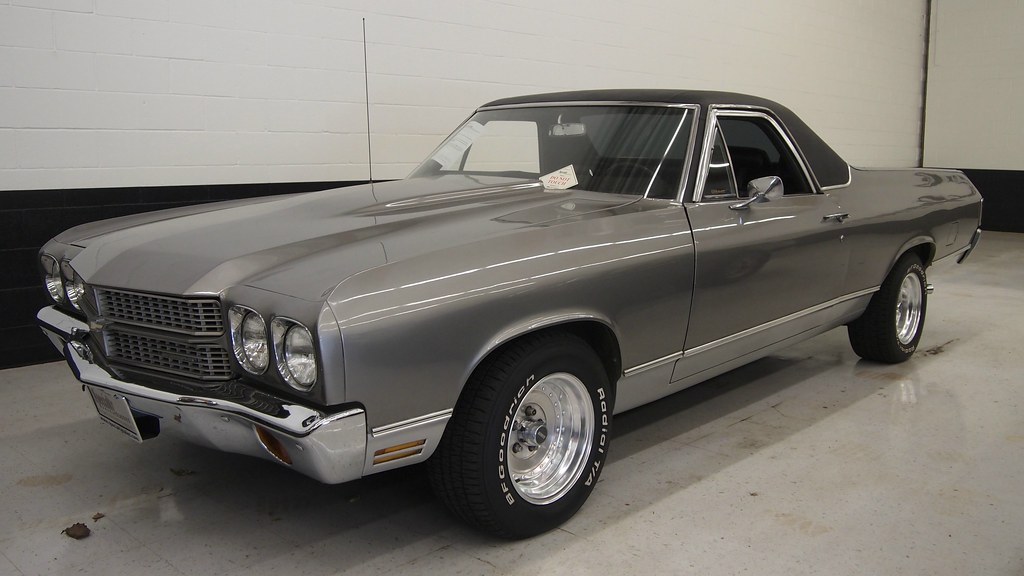
As automakers increasingly focus on electric vehicles and efficiency, car enthusiasts are calling for the revival of classic models that once defined automotive passion. This sentiment resonates with many, as nostalgia for iconic vehicles like the Ford Bronco and the Chevrolet El Camino highlights a desire for a return to the cars that fueled excitement on the road. The ongoing shift toward electric and hybrid vehicles has left some fans feeling disconnected from the driving experience they cherish.
Classic Models with a Dedicated Following
Some of the most beloved vehicles among car enthusiasts include models that have not seen production in years. The Ford Bronco, for instance, was originally produced from 1966 until 1996 and became a symbol of off-road capability. After a 25-year hiatus, Ford reintroduced the Bronco in 2020, demonstrating that there is a significant appetite for classic models. Similarly, the Chevrolet El Camino, a unique blend of a pickup truck and a car, has been out of production since 1987, yet it still holds a special place in the hearts of many fans.
According to a survey conducted by automotive website MotorTrend, nearly 63% of respondents expressed a desire for the return of vehicles like the El Camino and the Pontiac Trans Am, which was last produced in 2002. These numbers indicate a strong market demand for nostalgic models that offer a unique driving experience, rather than the standardized vehicles currently dominating the market.
Automakers Respond to Demand
While established names like Ford and Chevrolet have seen success with reviving classic models, new manufacturers are also taking notice. Companies like Rivian and Lucid Motors are creating electric vehicles that incorporate vintage aesthetics, appealing to enthusiasts who crave both nostalgia and modern technology. For instance, Rivian’s R1T has garnered attention for its design elements reminiscent of classic trucks, sparking interest among those who long for the rugged appeal of vehicles from decades past.
In response to the growing enthusiasm for classics, some automakers are also leveraging limited-edition releases. Ford’s Mustang, a long-standing icon since its introduction in 1964, recently launched a special edition honoring its 60th anniversary, which has drawn significant interest from collectors and enthusiasts alike. This strategy keeps the spirit of classic vehicles alive while also catering to a modern audience.
The Appeal of Retro Design
Many car enthusiasts are drawn to retro designs that evoke a sense of nostalgia. The aesthetic appeal of classic vehicles often includes bold colors, unique body styles, and interior designs that reflect the era in which they were produced. The Dodge Charger, for example, has maintained its muscle car roots since its debut in 1966, continually evolving but still paying homage to its past. This connection to heritage resonates deeply with enthusiasts who appreciate the brand’s commitment to performance and style.
Research shows that car buyers aged 35-54 are particularly influenced by nostalgia, with 77% of this demographic stating that retro design elements impact their purchasing decisions. As the automotive market evolves, manufacturers may consider these insights when developing new models that blend modern technology with classic design cues.
Challenges in Production and Regulation
Despite the growing demand for classic vehicle revivals, automakers face numerous challenges related to production and regulatory standards. Emissions regulations and safety requirements have become more stringent, making it difficult for manufacturers to recreate older models without significant modifications. The Environmental Protection Agency (EPA) has implemented stringent guidelines that require modern vehicles to meet specific emissions standards, which can conflict with the designs and performance characteristics that enthusiasts value.
In addition, the rise of electric vehicles presents both a challenge and an opportunity. While electric powertrains offer sustainability, they often lack the visceral driving experience associated with internal combustion engines. This shift could alienate traditionalists who prioritize performance and sound, leading to a divide within the automotive community.
The Future of Classic Cars
As the automotive landscape continues to change, the future of classic cars remains uncertain. However, the enduring popularity of models like the Ford Bronco and Chevrolet El Camino suggests there is a viable market for revivals. Enthusiasts are hopeful that manufacturers will recognize this demand and consider bringing back more iconic vehicles, blending the best of both worlds: classic design and modern technology.
In a world that increasingly prioritizes efficiency, the longing for classic vehicles serves as a reminder of the joy and freedom associated with driving. Car enthusiasts are actively advocating for the revival of these beloved models, and their voices are being heard. The automotive industry must take note and explore ways to satisfy this enduring passion for nostalgia.
Join the Conversation