

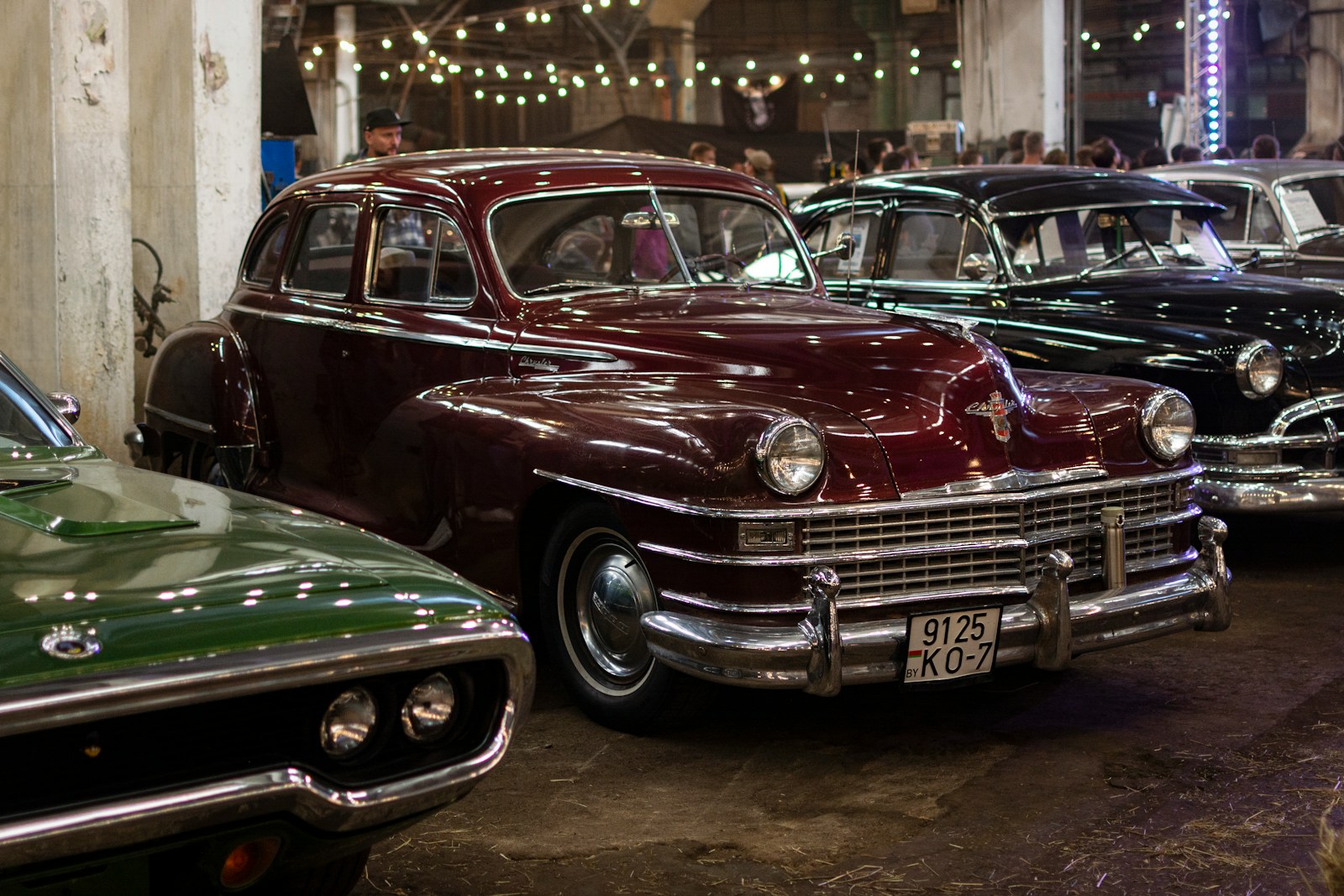
The automotive industry has seen significant changes over the decades, with certain cars becoming cultural icons that defined their time. From the classic designs of the 1950s to the tech-savvy vehicles of today, each decade has produced standout models that reflect the social and technological trends of their eras. Understanding these influential vehicles offers insight into the evolution of consumer preferences and automotive technology.
1950s: The Birth of the American Dream Car
The 1950s marked a period of post-war prosperity in the United States, and the automobile became a symbol of freedom and success. One of the most iconic models from this decade is the 1957 Chevrolet Bel Air, known for its stylish fins and chrome accents. During this decade, car sales skyrocketed, with over 7 million vehicles sold in 1955 alone, illustrating the growing importance of the automobile in American culture.
1960s: Muscle Cars and Youth Culture
The 1960s ushered in an era of rebellion and youth culture, with muscle cars becoming a staple of American life. The Ford Mustang, introduced in 1964, became an icon of this era, appealing to a younger demographic with its performance and affordability. By 1966, Ford had sold over 600,000 Mustangs, solidifying its place in automotive history and reflecting the decade’s emphasis on power and style.
1970s: Oil Crises and Compact Cars
The 1970s were defined by oil crises that drastically changed consumer preferences. Fuel-efficient compact cars gained popularity, leading to the rise of models like the Volkswagen Beetle and the Honda Civic. In 1973, the average price of gasoline rose from $0.39 to $0.55 per gallon, prompting buyers to seek more economical options, which greatly influenced automotive design and marketing strategies during this decade.
1980s: Innovation and Luxury
The 1980s brought technological advancements and a focus on luxury in the automotive market. The introduction of features like electronic fuel injection and anti-lock brakes became standard in many vehicles. The Cadillac DeVille, particularly the 1985 model, epitomized luxury with its spacious interior and advanced technology, targeting an affluent demographic. Sales of luxury vehicles surged, reflecting a shift in consumer priorities towards comfort and high-end features.
1990s: The Rise of SUVs
The 1990s marked the rise of the sport utility vehicle (SUV), a trend that would dominate the automotive landscape for decades. The Jeep Grand Cherokee, introduced in 1992, showcased the blend of off-road capability and on-road comfort that consumers craved. By the end of the decade, SUV sales had increased by over 150%, highlighting a significant shift in family transportation preferences and lifestyle choices.
2000s: The Hybrid Revolution
The early 2000s saw growing concerns about environmental issues and fuel efficiency, leading to the rise of hybrid vehicles. The Toyota Prius, launched in the United States in 2000, became synonymous with eco-friendly driving. By 2009, Prius sales had surpassed 1 million units, indicating a major shift in consumer attitudes towards sustainability and fuel economy.
2010s: The Era of Technology and Connectivity
The 2010s were characterized by rapid advancements in technology and connectivity within vehicles. Cars like the Tesla Model S, introduced in 2012, not only offered electric performance but also integrated advanced technology features such as autopilot capabilities. With over 250,000 units sold by 2019, Tesla transformed consumer expectations around electric vehicles and innovation in the automotive industry.
2020s: The Future of Mobility
As we move into the 2020s, the automotive industry is increasingly focused on electric vehicles (EVs) and autonomous technology. Industry leaders like Ford and General Motors have announced ambitious plans to electrify their fleets, with GM pledging to offer 30 new electric models by 2025. The global shift towards sustainable transportation is evident, with EV sales expected to reach 30 million by 2030, reflecting a significant change in consumer priorities.
Conclusion
The evolution of cars over the decades tells a compelling story about societal changes and technological advancements. Each decade brought forth models that not only shaped the automotive industry but also influenced cultural trends, consumer behavior, and environmental awareness. As the industry continues to evolve, understanding these historical milestones is crucial for consumers looking to navigate the future of mobility.
Stay informed about the latest developments in the automotive world.