

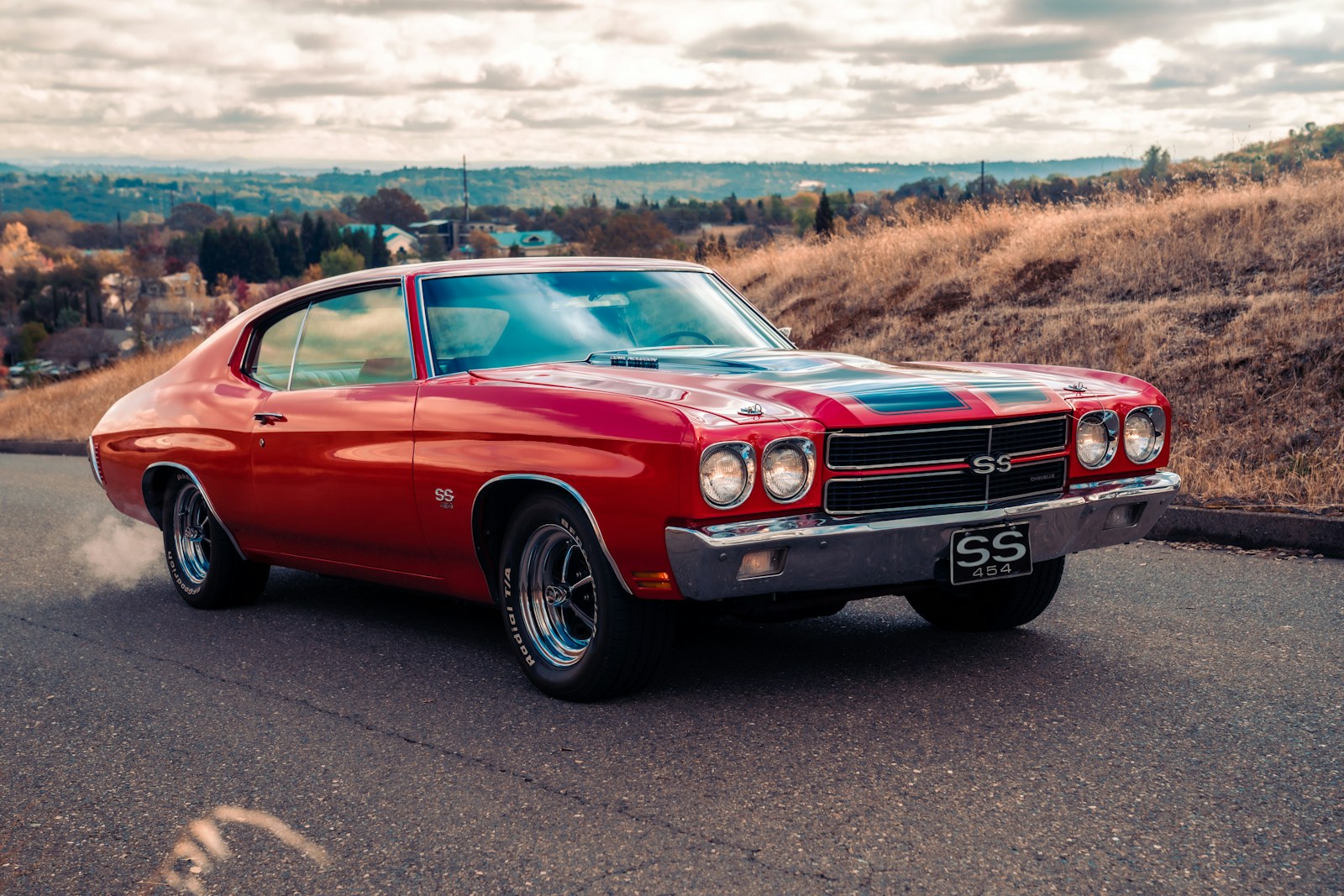
In 2025, car enthusiasts and collectors may find themselves in an advantageous position as certain models begin to emerge as future classics, offering an opportunity for savvy buyers to invest in vehicles that could appreciate in value. With the automotive market continuously evolving, understanding which cars to target now can save buyers significant money in the long run. This guide aims to help potential buyers identify the best strategies for acquiring these future collectibles.
Understanding Future Classics
A future classic is typically defined as a vehicle that, due to its design, performance, or cultural significance, is expected to appreciate in value over time. As noted by automotive experts, vehicles that are limited in production, feature unique designs, or have a strong enthusiast following often fall into this category. For instance, the 2015–2020 Ford Mustang GT350 is already being eyed by collectors due to its limited production runs and iconic status within the Mustang lineage.
Identifying Models with High Appreciation Potential
Several factors contribute to a vehicle’s potential for value appreciation, including brand reputation, historical significance, and condition. In 2025, cars like the 2018–2021 Toyota Camry XSE and the 2020–2022 Chevrolet Corvette C8 are expected to be on collectors’ radars. The Camry, while often seen as a family sedan, has garnered attention for its sporty features and reliability, making it a sleeper classic. Meanwhile, the Corvette C8, with its mid-engine design and high performance, is likely to be a sought-after model due to its groundbreaking engineering.
The Best Time to Buy
Timing is crucial when it comes to purchasing a potential future classic. According to industry analysts, the best time to buy is typically in the years immediately following a model’s production run. For example, savvy buyers looking for the 2020 Ford Bronco should consider purchasing in 2025 when prices may stabilize after initial hype. Historical data shows that models often depreciate the fastest in the first three years, making it an ideal time to acquire these vehicles before they start to appreciate.
Where to Find Deals
Online marketplaces and local dealerships are excellent places to start looking for future classics. Websites like Autotrader, Cars.com, and Bring a Trailer are popular among buyers and sellers for their extensive listings and competitive pricing. Additionally, attending car shows and auctions can provide opportunities to find rare models that may not be listed online. Buyers should also consider joining automotive enthusiast forums, where members often share leads on private sales and collector vehicles.
Condition and Documentation Matter
When purchasing a vehicle that may become a classic, condition and documentation are paramount. Buyers should look for cars with low mileage, original paint, and well-maintained interiors. For instance, a 2019 Mazda MX-5 Miata with fewer than 20,000 miles and a clean service history is more likely to appreciate than a higher-mileage model. Furthermore, maintaining proper documentation, such as service records and title history, adds to the vehicle’s value and collectibility.
Financing Options for Buyers
Financing a future classic can be more complex than purchasing a new car. Buyers should explore options like classic car loans, which often have different terms and interest rates compared to standard auto loans. As of 2025, rates for classic car loans can range from 4% to 8%, depending on the lender and the vehicle’s value. It is essential for buyers to shop around and compare offers to secure the best financing deal available.
Insurance Considerations
Once a potential classic is purchased, buyers should also consider insurance options tailored to classic cars. Standard auto insurance may not provide adequate coverage for vehicles that appreciate in value. Classic car insurance typically offers agreed value policies that protect the vehicle’s worth, which can be crucial as the car ages and its value increases. Researching and selecting the right insurance provider can safeguard the investment made in a future classic.
Final Thoughts and Urgent Call to Action
As 2025 approaches, the window for acquiring future classic cars at reasonable prices is narrowing. With the right knowledge and resources, buyers can position themselves to take advantage of the automotive market’s evolution. Recognizing which models are likely to appreciate and acting swiftly can lead to significant savings and investment opportunities. Prospective buyers should start researching, visiting local dealerships, and exploring online marketplaces now to secure their future classics before prices inevitably climb.