

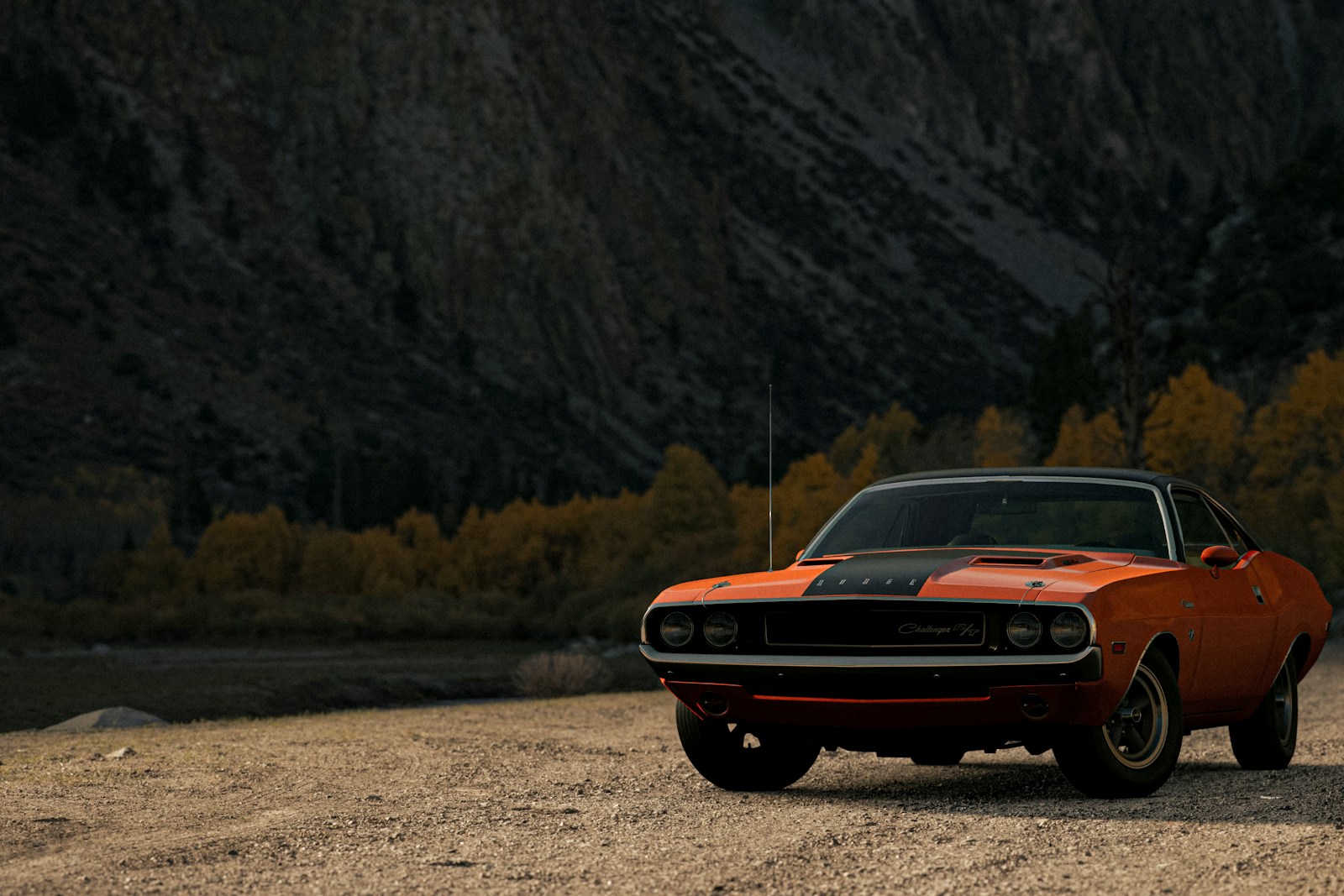
The classic Dodge muscle cars, particularly models like the 1970 Dodge Challenger and the 1969 Dodge Charger, are gaining renewed appreciation for their distinctive exhaust sounds, a feature that sets them apart in the automotive world. This recognition is significant not only for car enthusiasts but also for the broader community as it highlights a blend of automotive history, engineering excellence, and cultural influence. As the market for vintage cars continues to grow, the unique auditory experience of these vehicles plays a crucial role in their desirability and value.
The Importance of Exhaust Sound in Muscle Cars
The sound produced by a vehicle’s exhaust system is often considered as important as its performance and appearance. For many Dodge models, the exhaust sound is a hallmark of their identity, offering a deep, throaty roar that resonates with driving enthusiasts. This characteristic sound is a result of the HEMI engines used in many classic Dodge vehicles, which produce a unique acoustic signature that appeals to collectors and casual fans alike.
In recent years, there has been a surge in interest in classic muscle cars, with sales of models from the late 1960s and early 1970s increasing by 25% from 2020 to 2023. Enthusiasts are not only seeking to own these vehicles but also to experience the visceral sound that accompanies them. This trend underscores the essential role that exhaust sound plays in the overall driving experience.
How Exhaust Sound is Created
The distinctive exhaust sound of classic Dodge cars is primarily generated by the engine design and the exhaust system configuration. Dodge’s HEMI engines, known for their hemispherical combustion chambers, provide a powerful and unique sound profile. The engine’s performance is complemented by exhaust systems designed to enhance this sound, often utilizing larger diameter pipes and minimal restrictions.
Many enthusiasts modify their vehicles with aftermarket exhaust systems to amplify this sound further. These modifications can enhance the vehicle’s performance while delivering an even more aggressive auditory experience. The combination of original engineering and aftermarket enhancements has kept the sound of classic Dodge cars alive and well in the modern era.
Cultural Impact and Community Engagement
The appreciation for the sound of classic Dodge vehicles extends beyond mere admiration; it fosters a community of enthusiasts and collectors who gather to celebrate their shared passion. Events like car shows and classic car meet-ups often feature these muscle cars, where the sound becomes a central element. Enthusiasts often describe the experience of hearing these cars as a form of nostalgia, evoking memories of past eras and a sense of connection to automotive history.
Online forums and social media platforms have also become vital spaces for this community, where owners share videos and sound clips of their vehicles. The hashtag #DodgeSound has gained popularity, with thousands of posts showcasing the auditory beauty of these classic models. This digital engagement not only promotes the cars but also educates new fans about the significance of the distinct exhaust notes.
The Impact on Market Values
As the appreciation for these vehicles grows, so does their market value. Classic Dodge models are often seen as investment opportunities, with values increasing significantly over the years. For instance, a well-maintained 1970 Dodge Challenger can fetch prices upwards of $100,000, depending on its condition and authenticity. The distinctive exhaust sound contributes to this rising value, as buyers seek not only the car’s performance and aesthetics but also the experience associated with driving it.
Experts predict that the market for vintage cars, particularly iconic muscle cars like those from Dodge, will continue to grow. The nostalgia factor, combined with the unique sound of these vehicles, is likely to drive interest among younger generations, further solidifying their place in automotive culture.
Future Innovations in Automotive Sound
As the automotive industry moves towards electric vehicles (EVs), the challenge of maintaining a captivating sound experience persists. Some manufacturers are experimenting with artificial sound systems in EVs to replicate the thrilling auditory experience of traditional engines. However, many purists believe that nothing can compare to the raw, mechanical sound of a classic Dodge muscle car.
The future of automotive sound will likely involve a balance between innovation and tradition. While electric vehicles may offer new sound profiles, the unique exhaust notes of classic Dodge models will remain a benchmark for enthusiasts and collectors alike.
Conclusion
The appreciation for the distinctive exhaust sound of classic Dodge models is not just about nostalgia; it reflects a deep-rooted connection to automotive heritage and culture. As interest in these vehicles continues to grow, it is crucial for enthusiasts to engage with their local car communities and support events that celebrate this unique aspect of automotive history.