
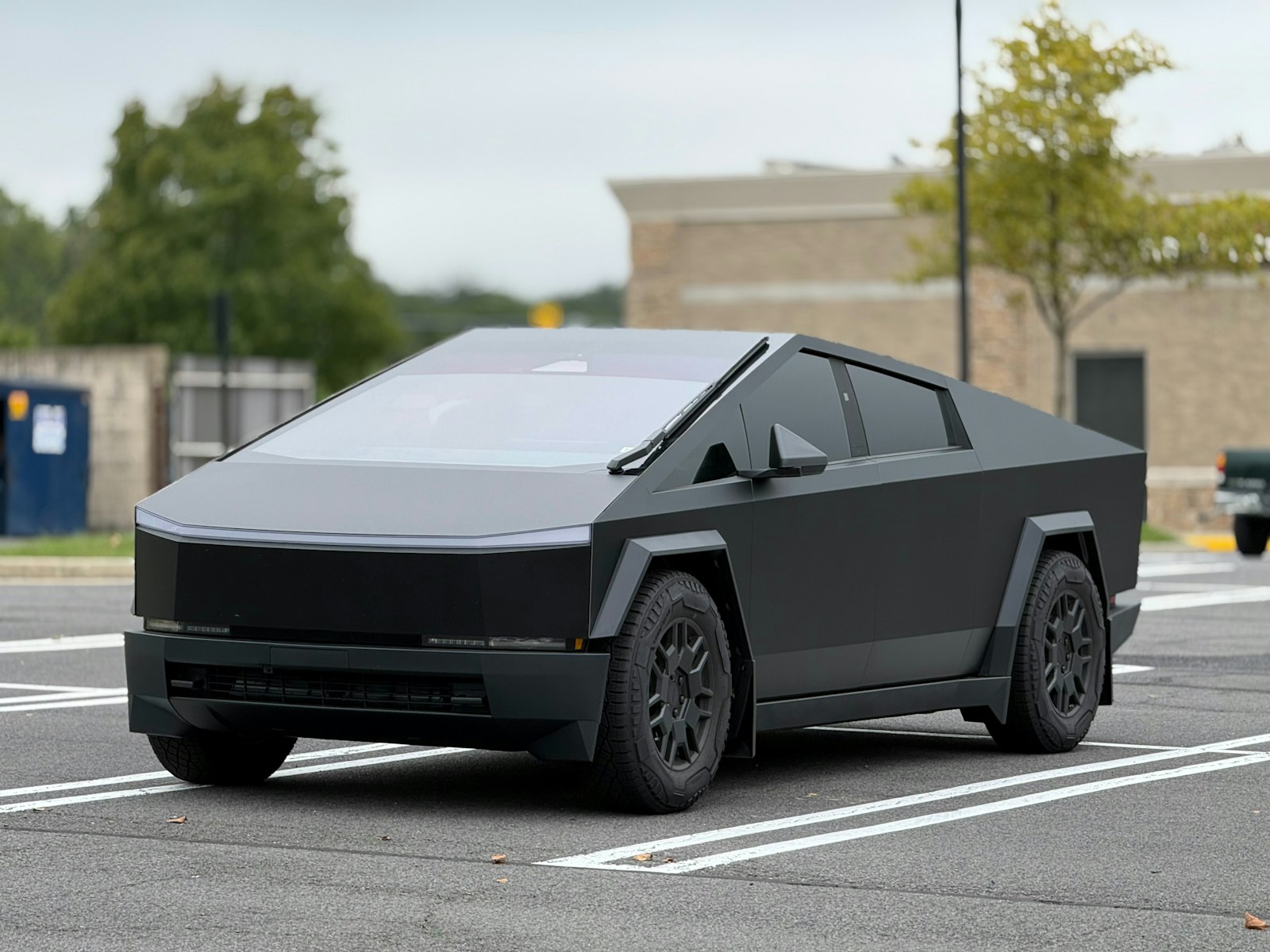

When Tesla unveiled the Cybertruck in 2019, CEO Elon Musk promised a radical departure from traditional pickup trucks. The angular, stainless-steel vehicle generated massive buzz and racked up over 1 million reservations before deliveries even began in November 2023. Fast-forward to today, and the reality looks quite different from those early promises.
U.S. sales have reached just over 52,000 units according to Cox Automotive—a fraction of those initial reservations—and the numbers keep dropping. Sales fell from 12,900 units in Q4 2024 to just 6,406 in Q1 2025, raising questions about what went wrong with one of the most hyped vehicle launches in recent memory.
The truck that was supposed to revolutionize the pickup market is now facing a harsh reality check. From quality issues and production problems to disappointed truck buyers staying on the sidelines, the Cybertruck’s journey reveals a gap between bold innovation and practical execution.
How the Cybertruck Hype Fizzled
The Cybertruck went from generating over 1 million reservations to selling just over 52,000 units in the U.S., marking a dramatic shift in public enthusiasm. What started as overwhelming excitement about Tesla’s futuristic pickup turned into disappointment as production delays mounted and the final product failed to match early promises.
Initial Public Reactions Versus Current Opinions
When Elon Musk unveiled the Cybertruck in 2019, reactions were intense and immediate. The angular, stainless steel design sparked conversations everywhere, and Tesla quickly racked up more than 1 million reservations before deliveries even began in November 2023.
The futuristic aesthetic that initially caught attention ended up having limited appeal, especially among traditional truck buyers. Sean Tucker, executive editor of Cox Automotive, noted that while the Cybertruck’s design stands out, standing out isn’t necessarily what truck buyers want.
The vehicle attracted EV enthusiasts thinking about a pickup or those wanting a novelty vehicle. But it struggled to win over the core pickup market that values functionality over flash.
Changing Consumer Expectations
Truck buyers proved to be more conservative than Tesla anticipated. Brand loyalty in the pickup segment runs around 70%-80%, according to Ram CEO Tim Kuniskis.
Many truck buyers rely on their vehicles for work and need proven performance in towing and payload capacity. The Cybertruck’s specifications fell short of both Tesla’s early advertisements and the capabilities offered by leading fuel-burning pickups.
The high bed sides and pyramidal shape made loading difficult, contradicting decades of truck design evolution. “Some of the design decisions that truck makers tend to make, they’ve made because of many, many years of people using trucks,” Tucker explained in discussing why Cybertruck sales fell short.
Battery range also disappointed buyers who expected Tesla’s typical EV performance standards.
Delays and Missed Deadlines
Tesla first showcased the Cybertruck in 2019, but deliveries didn’t start until November 2023. That four-year gap gave competitors time to enter the electric pickup market and allowed initial excitement to fade.
Production problems plagued the vehicle after launch. The company issued eight voluntary recalls in little more than a year of production, raising questions about quality control and manufacturing readiness.
These issues compounded the disappointment around specifications that didn’t match early promises. By the time trucks reached customers, many reservation holders had already moved on to other options or lost interest entirely.
Where the Cybertruck Missed the Mark
The Cybertruck’s struggles stem from a combination of polarizing design choices, pricing that exceeded original promises, and a market that evolved significantly during its delayed arrival.
Performance and Design Letdowns
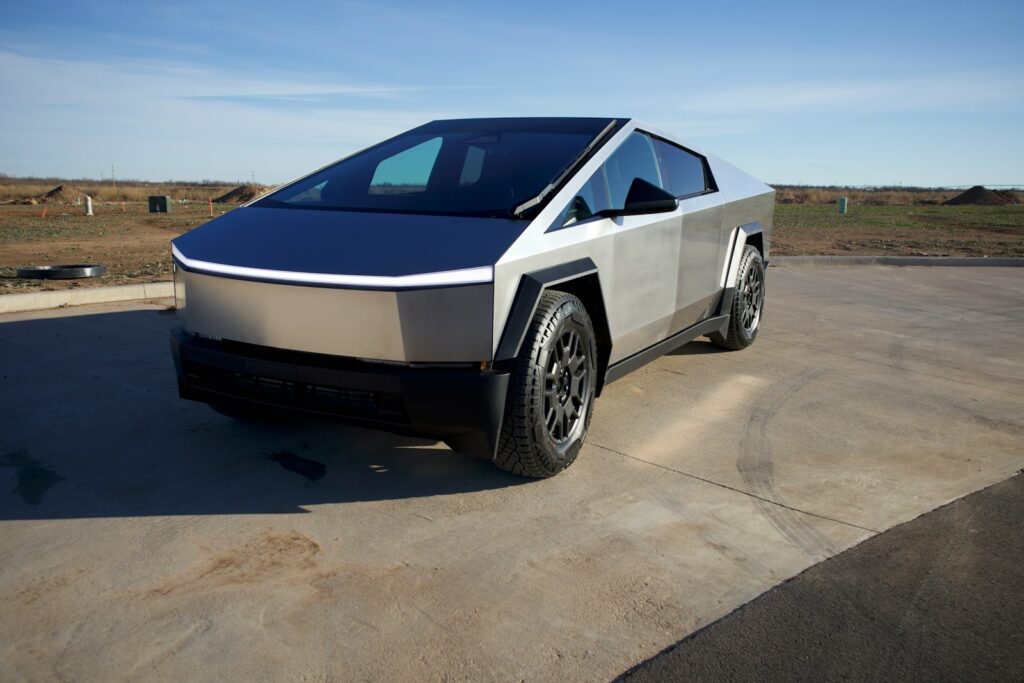
The Cybertruck’s angular stainless steel exterior became one of its biggest liabilities rather than a selling point. Tesla’s bold design disappointed traditional truck buyers who found the vehicle impractical for everyday use.
The stainless steel body emphasized every scratch and fingerprint. Misaligned panels plagued production models, with some observers noting severe quality issues even on vehicles displayed at public events. The truck bed couldn’t hold as much cargo as conventional pickups, limiting its utility.
Manufacturing proved extraordinarily difficult. The thick steel required for the bulletproof claims made panels nearly impossible to form correctly, leading to the prominent panel gaps that drew widespread criticism. Tesla struggled to achieve the precision needed for the vehicle’s straight edges, where any variation showed up prominently.
The single oversized windshield wiper became a symbol of the truck’s questionable design decisions. Quality issues and design flaws continued to plague the vehicle well into production, with sharp depreciation following initial deliveries.
Pricing and Value Concerns
Tesla’s Cybertruck received over one million reservations before its November 2023 launch, but those reservations were based on 2019 pricing that proved wildly optimistic. The originally promised single-motor version at $39,900 never materialized at that price point.
By the time deliveries began, the single-motor version was expected to retail over $50,000, while the tri-motor version climbed past $80,000. This represented significant increases from the initial promises of $69,900 for the top-tier model.
The dramatic price increases pushed the Cybertruck into premium territory rather than serving as a practical work truck. Combined with the sharp depreciation and resale value concerns that emerged shortly after deliveries began, buyers questioned whether the vehicle represented good value compared to established competitors.
Competitive Market Landscape
When Tesla first unveiled the Cybertruck in November 2019, no electric trucks existed on the market. By the time it finally arrived, at least three competitors were already available, with more on the way.
Ford’s F-150 Lightning and Rivian’s R1T had already captured early adopters during the Cybertruck’s delays. The EV pickup market cooled significantly as first adopters gave way to more practical buyers seeking affordability.
After an initial surge from preorder holders who had waited since 2019, interest began fading. The truck arrived as the antithesis of what the market needed—affordable and practical transportation—instead positioning itself as an expensive statement vehicle.
More from Steel Horse Rides: