
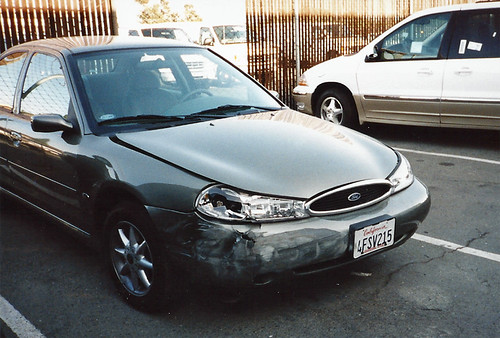

It was supposed to be the easiest errand of my week: drop the car off, grab a coffee, pick it up later with fresh oil and that smug “I’m an adult” feeling. The dealership was busy but friendly, the kind of place with a row of shiny cars up front and a waiting area that tries really hard to make stale muffins feel like hospitality. I handed over the keys, signed the usual paperwork, and thought nothing of it.
Then came pickup. The service advisor walked me through the invoice, highlighted a couple of recommended add-ons (because of course), and sent me on my way. But in the parking lot, under the bright “I can’t believe my eyes” lighting, I saw it: a fresh scrape and a small dent along the passenger-side bumper—exactly the sort of damage you’d notice every single time you walked up to your car from now on.
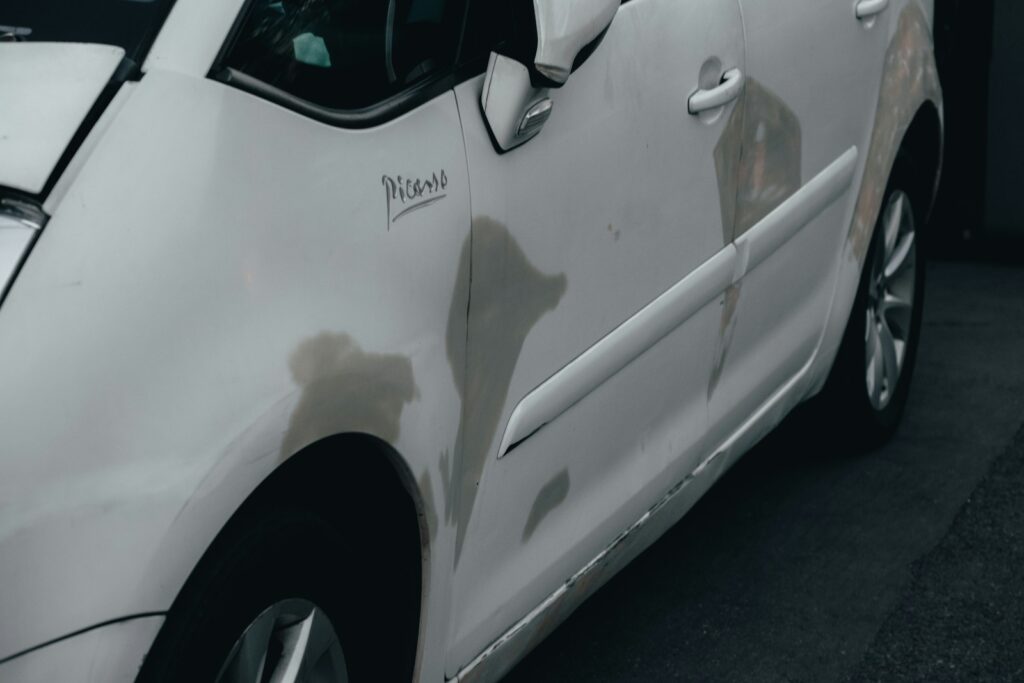
The dreaded line: “That must’ve already been there”
I went back inside, doing that tight-smile thing you do when you’re trying to stay calm in public. I pointed out the damage, expecting a quick, reasonable response—maybe an apology, maybe a “we’ll check the cameras,” maybe at least a little curiosity. Instead, I got the phrase that sends a chill down any car owner’s spine: “Are you sure that wasn’t already there?”
Within seconds, the conversation slid into a weird little alternate reality where the damage was both obvious and also somehow my imagination. The advisor suggested road debris, prior parking-lot mishaps, “it happens all the time,” and my personal favorite: the implication that I just hadn’t noticed it before. Which, sure, is possible—if I’d never seen my own car in daylight.
Why this kind of dispute happens more often than you’d think
Dealership service departments are high-volume operations. Cars are constantly being moved, parked tightly, driven into bays, and shuttled around by multiple people—some of them experienced, some of them new, all of them trying to keep the line moving. Most days it’s fine, but the system has a built-in problem: if something goes wrong, the easiest thing to say is “we didn’t do it.”
To be fair, dealerships also deal with legitimate cases where customers notice old damage for the first time and assume it happened during service. But the “already been there” reflex is frustrating because it shifts the burden onto you, the customer, to prove a negative—like you’re being asked to demonstrate that your bumper was previously living a happy, scratch-free life.
What you can do right there at the counter (before you drive away)
If you spot damage before leaving the lot, you’re in the strongest position you’ll ever be in. Calmly ask for a manager—not as a threat, just as a normal escalation. Use simple language: you dropped the car off without the damage, and now it has new damage, so you need them to document it and investigate.
Then take photos immediately. Get wide shots showing the car’s location on the dealership property, close-ups of the damage, and a couple photos that prove it’s your vehicle (license plate or VIN sticker area). If you can, take a short video walking around the car—nothing cinematic, just a quick “here’s the car, here’s the damage, here’s where I am.”
Ask about their inspection process and request the paperwork
Many dealerships claim they do a walk-around inspection at check-in, sometimes with a diagram noting scratches and dents. Ask to see it. If they have a form and the damage isn’t marked, that’s meaningful—because it supports your point that it wasn’t observed at drop-off.
If they don’t have a form, that’s also meaningful, in a different way. A professional shop should be able to document vehicle condition, especially when disputes like this are so predictable. Politely ask them to note, in writing, that you reported the damage immediately upon pickup.
Yes, you should ask about security footage (and no, you don’t have to be weird about it)
Most service lots have cameras, even if they’re not positioned perfectly. Ask whether they can review footage from the service drive, the parking area, and the path to the bays. The trick is timing: many systems overwrite footage quickly, so the sooner you ask, the better.
They may not hand you video directly, and that’s normal. But they can review it internally, and if the situation escalates to an insurance claim or formal complaint, knowing footage exists can matter.
If they still deny it, your next steps are annoyingly practical
First, stop the “he said, she said” spiral by switching to writing. Email the service manager (and, if available, the dealership’s general manager) with the date, time, repair order number, and clear photos. Keep it factual: what you observed, when you observed it, and what resolution you’re requesting—typically repair at their expense or reimbursement for a body shop quote.
Second, get an estimate from a reputable body shop. A written quote does two things: it shows you’re serious, and it anchors the discussion in real numbers. If the dealership offers to “touch it up,” you can decide whether that’s acceptable—but for bumper damage, quick fixes can look like exactly what they are: quick fixes.
Where complaints and insurance fit in (without turning your life into a full-time job)
If the dealership won’t cooperate, you can file a complaint with the manufacturer’s customer care line. Dealers care about their relationship with the brand, and a formal case can motivate movement—especially if you’ve got photos and prompt documentation.
Depending on the cost, you can also involve your insurance. If you have collision coverage, your insurer might pay and then pursue reimbursement (subrogation) if they believe the dealership is responsible. That said, you’ll want to weigh your deductible and any premium impacts, because nothing says “modern adulthood” like paying extra because someone else scraped your bumper.
How to avoid this next time (because apparently we all need a pre-service ritual)
Before handing over keys, do a quick walk-around and take time-stamped photos—front, rear, both sides, and close-ups of any existing dings. It takes two minutes and can save hours of arguing later. If you’re already at the dealership, snap the photos in their service lane with their signage in the background.
Also, ask them to note pre-existing damage on the intake form. It’s not about being paranoid; it’s about being realistic. Cars get bumped, people make mistakes, and the only thing worse than damage is damage plus denial.
The bigger takeaway: trust is the real service you’re paying for
Dealerships like to market “factory-trained technicians” and “genuine parts,” and that’s fine. But when something goes wrong, what customers remember is whether the place took responsibility. A scratch can be fixed; feeling dismissed is harder to repair.
If a dealership’s first instinct is to imply you don’t know your own car, that’s a relationship problem, not just a bumper problem. And honestly, if they can’t own a mistake, it might be time to find a shop that treats your car—and your memory—like they’re both worth something.
More from Steel Horse Rides: