
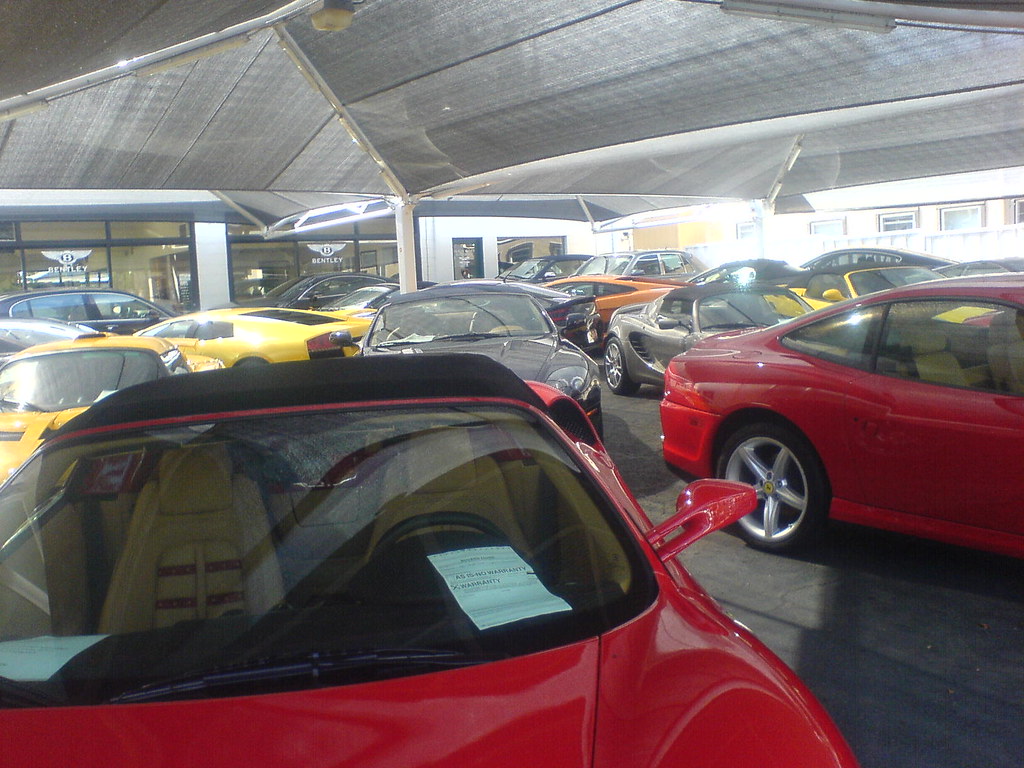

It starts the way a lot of car-buying stories start: someone does everything “right.” They shop around, get the numbers in writing, ask follow-up questions, and walk into the dealership thinking the hard part is over. Then the finance manager slides a new sheet across the desk with a higher price and an innocent little shrug: “Oh, that? That was only an estimate.”
This week, that exact scenario set off a small storm online after a buyer shared screenshots of a written quote from a dealership that didn’t match what they were asked to pay at signing. The gap wasn’t pocket change, either—once fees, add-ons, and “updated pricing” were layered in, the total jumped enough to make the buyer feel like they’d walked into a different deal entirely.
A quote that looked pretty official
According to the buyer’s account, the dealership emailed a “written quote” that included the vehicle’s selling price, taxes, and an itemized list of fees. It had branding, contact info, and the kind of formatting that screams, “This is the number.” The buyer saved it, confirmed the appointment, and showed up expecting to sign paperwork that matched what was promised.
Instead, the dealership presented a new worksheet with a higher total and a few extra line items that weren’t in the email—things like protection packages, documentation fees that had grown legs, and a revised sale price explained as “market adjustments.” When the buyer pointed to the quote, staff reportedly responded that it was “only an estimate,” not a binding offer.
The “only an estimate” phrase that drives people nuts
Car dealers aren’t the only businesses that use the word “estimate,” but they might be the most skilled at using it as a trapdoor. An estimate can be totally legitimate if it’s clearly labeled, based on variables that can change, and updated transparently. The problem is when a document looks and reads like a quote—until it’s inconvenient.
Most people hear “written quote” and assume it’s the price they’ll pay unless they change something (different trim, different financing, extra warranties, that kind of thing). So when a dealership tries to rebrand the quote as a casual suggestion after you’ve already driven over there, it feels less like accounting and more like a practical joke.
Why dealerships do this (and why it’s so effective)
The honest answer is that some dealers rely on momentum. Once you’re physically there—maybe you’ve test-driven the car, maybe your old car is already being appraised, maybe you’ve spent two hours waiting—there’s pressure to just “get it done.” A small bump becomes a negotiation, and a negotiation becomes exhaustion.
Sometimes the dealership will blame a typo, a pricing change, or a misunderstanding between the sales rep and finance. And sure, mistakes happen. But when the new number conveniently includes pricey add-ons you never asked for, people are right to feel skeptical.
What the rules usually say (without getting too lawyer-y)
Whether a written quote is legally binding depends on what it says, how it’s presented, and what state you’re in. Many quotes include fine print like “subject to prior sale,” “pricing may change,” or “does not include dealer-added accessories.” If that language is there, the dealership has more room to wriggle.
But consumer protection laws in many places also frown on deceptive advertising or bait-and-switch tactics. If a dealer uses a low written price to get you in the door, then refuses to sell at that price without a legitimate, clearly disclosed reason, it can cross into complaint-worthy territory. You don’t have to be a legal expert to notice when something smells off.
The add-ons that magically appear at signing
A big part of these disputes comes down to “optional” products that aren’t presented like they’re optional. Paint protection, nitrogen tires, VIN etching, wheel-and-tire coverage—these can be real products, but they’re also common profit centers. The frustrating move is when they’re preloaded into the deal as if they’re required, then removed only if you insist (and sometimes only after a few rounds of awkward back-and-forth).
Fees are another favorite. Some fees are normal and regulated, like taxes and state title costs. Others—especially “doc fees” and “dealer service fees”—vary wildly and can be padded in ways that make the original quote feel like a mirage.
How buyers are pushing back
In the story circulating this week, the buyer said they refused to sign and left. That sounds simple, but it’s honestly the hardest move for many people—walking away after investing time and hope. And it’s also the most powerful. If the dealer believes you’ll leave, suddenly the “estimate” can turn into a real number again.
Other buyers are taking a more paper-trail-heavy approach. They’re asking for an out-the-door price in writing, requesting that every fee and add-on be listed, and bringing the email printout to the dealership. A few even record conversations where allowed by law, mostly because they’ve learned the hard way that selective memory is a common dealership accessory.
What to do if a dealer won’t honor the quote
First, ask one calm, direct question: “Can you show me exactly what changed from this written quote to today’s price?” Then make them itemize it. Sometimes the difference is legitimate (wrong tax rate, a rebate you don’t qualify for), but if it’s vague or loaded with mystery packages, you’ve found the problem.
Second, be ready to walk. If you want to negotiate, do it from a standing position—literally and figuratively. “I’m happy to buy today if you can honor the out-the-door price you emailed me. If not, I’m going to pass,” is not rude; it’s adult.
Third, escalate smartly. Ask for the sales manager or general manager, and follow up by email so there’s a written record. If you believe it’s deceptive, you can file a complaint with your state’s attorney general, consumer protection office, or motor vehicle dealer licensing board, and you can also leave a detailed review with receipts (screenshots help, vague rage doesn’t).
The bigger takeaway: clarity beats charisma
Dealerships love to talk about relationships and trust, and that’s nice, but numbers are what matter. A solid deal should survive daylight, screenshots, and a second look. If the price only works when it’s spoken quickly in a cubicle, it’s probably not a great price.
If you’re shopping right now, the safest move is to get the out-the-door total in writing, confirm it includes all dealer fees and add-ons, and treat anything labeled “estimate” like a weather forecast: interesting, but not something you plan your whole day around. And if a dealer plays games with a written quote, take it as a gift. They just told you what buying the car from them will feel like later, too.
More from Steel Horse Rides: