

As car manufacturers race to push the limits of speed and performance, the fastest production cars of 2025 have emerged, captivating automotive enthusiasts and potential buyers alike. This year marks a significant milestone in the automotive industry, as several brands unveil models that not only promise exhilarating speeds but also deliver cutting-edge technology and design. The competition is fierce, and the stakes are high, affecting both the market dynamics and consumer choices in the high-performance segment.
Top Contenders in Speed
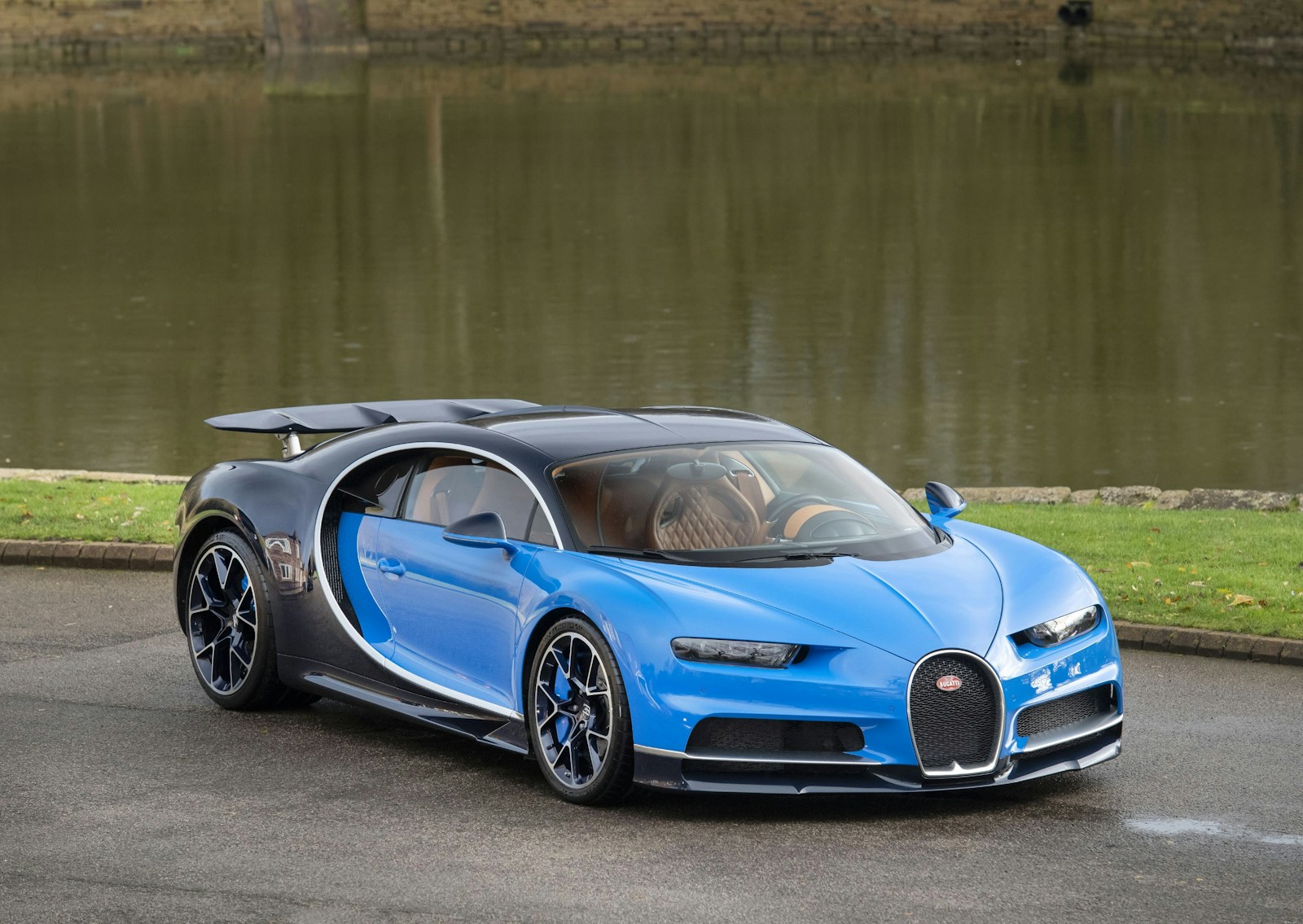
Leading the pack is the Bugatti Chiron Super Sport 300+, which boasts a staggering top speed of 304 mph. This French hypercar, which debuted in late 2024, is a testament to Bugatti’s engineering prowess, featuring an 8.0-liter quad-turbocharged W16 engine that produces 1,600 horsepower. The Chiron’s unparalleled speed not only sets a new benchmark for production vehicles but also reaffirms Bugatti’s position as a frontrunner in the hypercar category.
Following closely behind is the Koenigsegg Jesko Absolut, rumored to reach speeds of over 330 mph. With its lightweight design and a 5.0-liter twin-turbo V8 engine delivering 1,600 horsepower, the Jesko Absolut is engineered for aerodynamic efficiency. Koenigsegg has made significant advancements in carbon fiber technology to enhance the car’s performance, making it a serious contender for the title of the world’s fastest production car.
Electric Performance Cars
The electric vehicle (EV) segment is not to be overlooked, as companies like Rimac and Tesla push the boundaries of speed without traditional combustion engines. The Rimac Nevera, for example, is capable of hitting 0 to 60 mph in just 1.85 seconds, with a top speed of 258 mph. Rimac’s innovative approach combines electric power with advanced battery technology, allowing for incredible acceleration and performance while maintaining a focus on sustainability.
Meanwhile, Tesla’s upcoming Model S Plaid, scheduled for a mid-2025 release, aims to solidify its reputation as a performance leader in the electric car market. With a projected top speed of 200 mph and a 0 to 60 mph time of under 2 seconds, the Plaid version of the Model S continues to challenge traditional notions of speed and performance in automobiles.
Traditional Powerhouses Enter the Fray
Not to be outdone, traditional manufacturers are also stepping up their game. The Chevrolet Corvette Z06 is set to impress with its 5.5-liter V8 engine producing 670 horsepower, allowing it to reach speeds of 195 mph. This model, which combines iconic design with modern technology, reflects Chevrolet’s commitment to maintaining its performance legacy while appealing to a new generation of sports car enthusiasts.
Ford’s Mustang Shelby GT500, known for its rich history in American muscle cars, also makes waves in 2025 with a supercharged 5.2-liter V8 engine delivering 760 horsepower. With an estimated top speed of 180 mph, the GT500 continues to resonate with fans who appreciate raw power and classic design.
Market Implications and Consumer Choices
The emergence of these high-performance vehicles not only excites car lovers but also impacts the broader automotive market. As manufacturers invest heavily in research and development, the competition encourages innovation, leading to advancements in safety features, fuel efficiency, and overall driving experience. Consumers now have access to a diverse range of choices, from traditional gas-powered sports cars to cutting-edge electric vehicles.
Additionally, the growing interest in high-speed production cars influences pricing strategies. Many of these models come with hefty price tags, often ranging from $200,000 to over $3 million for hypercars, making them exclusive commodities. This exclusivity fosters a sense of prestige among owners, but it also raises questions about accessibility for average consumers.
Conclusion: The Future of Automotive Speed
The fastest production cars of 2025 represent a significant evolution in automotive technology, performance, and design. As manufacturers continue to push the boundaries of speed, the competition will likely result in even more impressive vehicles in the coming years. For automotive enthusiasts and potential buyers, the excitement surrounding these models is palpable, but it also emphasizes the importance of staying informed about the latest developments in the industry.
With numerous options available, from electric vehicles to traditional muscle cars, consumers are encouraged to research and consider their choices carefully. As the automotive landscape continues to evolve, staying ahead of the curve could mean the difference between owning a piece of automotive history or settling for less.