
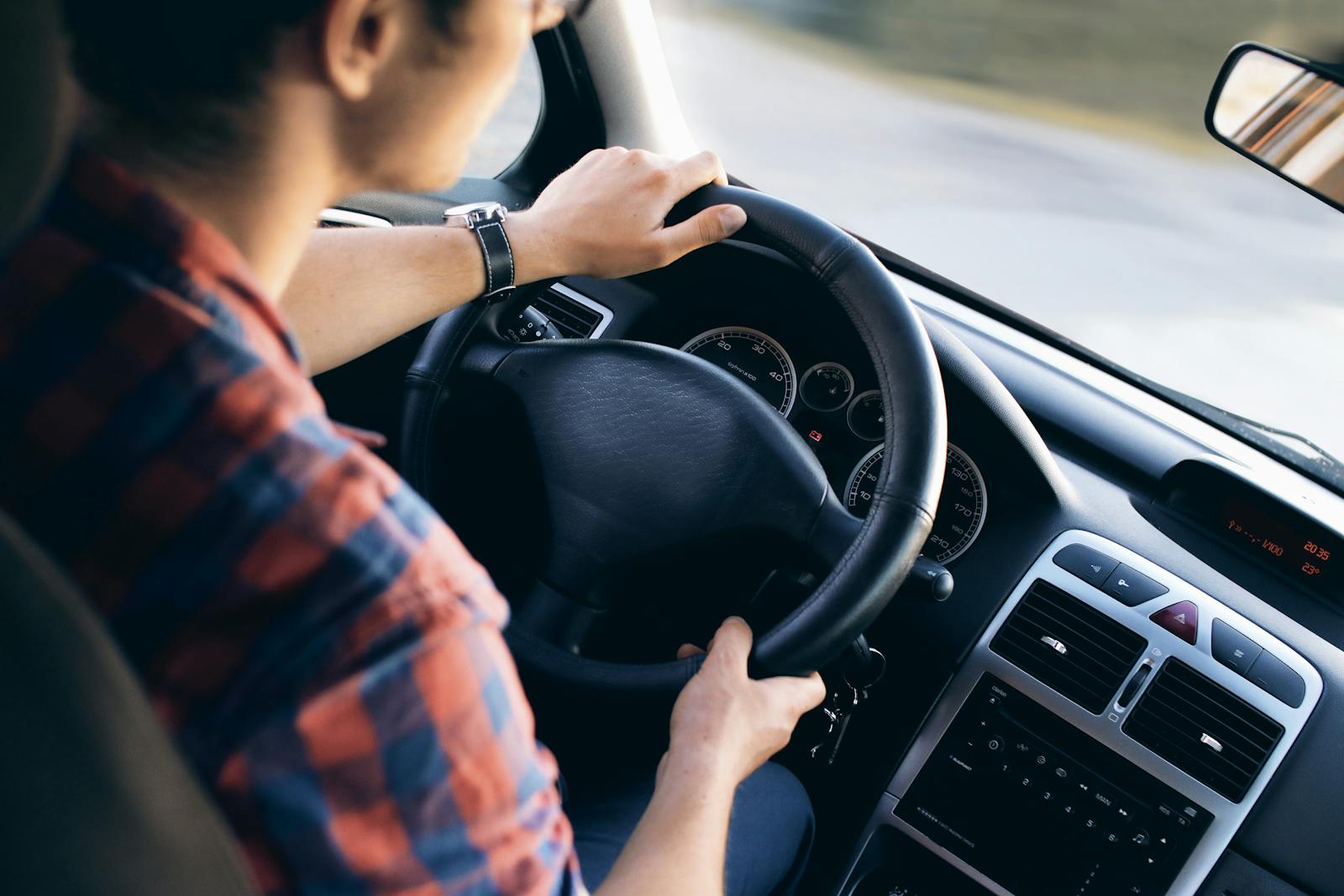

Across the country, the era of casual screen taps behind the wheel is ending fast. Police are shifting from warnings to tickets, and drivers are discovering that even one quick touch of a phone, smartwatch, or dashboard screen can be enough to get pulled over. The rules are tightening, the fines are climbing, and the message is blunt: if a device has a screen, it needs to stay out of your hands while the car is moving.
States are not just updating old texting bans, they are rewriting the basic expectations of how people interact with technology in traffic. From strict “no touch” rules in coastal hubs to fresh crackdowns in the South and Midwest, lawmakers are betting that tougher enforcement will finally change habits that softer campaigns never really dented.
The new reality: ‘No touch’ really means no touch

On the West Coast, the shift is already baked into daily driving. In California, a 2025 update to distracted driving rules closed the old loophole that let people sneak in a quick tap at a red light. The state’s “No Touch” approach, spelled out in California Vehicle Code 23123.5, bars drivers from handling a phone at all while the vehicle is in motion, and recent legal interpretations have pushed enforcement toward a true hands-off standard backed by escalating penalties for repeat offenders, according to detailed guidance on the penalties. Local agencies have reinforced that message, with the Los Angeles County Sheriff’s Department stressing that, as of June 2025, the state’s new “No Touch” Phone Law is officially in effect and that California Vehicle Code rules now treat even brief handling as a violation, a point the department underscored in a public announcement. For drivers used to flicking through Spotify or Maps at every stop, the adjustment has been jarring.
New York has taken a similar path, but with a sharper edge around what counts as “using” a device. State officials have long barred handheld calls and texting, and the Department of Motor Vehicles now spells out that commercial operators face specific restrictions that can cost them their livelihood if they are caught with a phone in hand. On top of that, a stricter “No Touch” framework took hold after New York State enacted updated rules in early June 2025, with local safety campaigns warning that drivers are not allowed to handle phones at red lights or while stuck in traffic, a message amplified in a regional campaign. Lawmakers in Albany have backed that cultural shift with legislation like 2025-S1054, an ACTIVE bill whose Sponsor Memo BILL NUMBER section, led by SPONSOR LIU under the TITLE BILL language, aims to tighten the vehicle and traffic law around phones and other electronic devices.
Crackdowns, fines, and the end of “just a quick tap”
In the South, the tone has shifted from education to enforcement almost overnight. In Louisiana, officials spent months warning that a tougher hands-free law was coming, and by early January full enforcement had arrived, with local coverage describing it as One of the most visible legal changes of the new year and stressing that compliance is no longer optional. A separate briefing from state broadcasters noted that, starting Jan. 1, officers in Louisiana can write tickets any time they see a driver holding a phone in hand, no matter how briefly. South Carolina has followed a similar script, with the legislature passing a New Hands Free Law in May 2025 that bars drivers from holding a phone while operating a motor vehicle, while still allowing properly mounted devices to be used for voice-based communication, a balance spelled out in the state’s own description of What the New Hands Free Law requires.
Elsewhere, the grace periods are ending and the tickets are starting to stack up. In Iowa, officials made it clear that the warning phase was over when they announced that ticketing begins Jan. 1, 2026 for violations of the state’s Hands-free driving law, with local radio station Ticketing coverage emphasizing that simply holding a device is enough to come to the citation. A similar shift has played out in other states, with one widely shared enforcement clip on social media warning that a statewide warning period had ended and that drivers would now face fines starting at $100 under a Hands Free Driving Enforcement push. In Massachusetts, the rules are already clear that Drivers Aged 18 and Over are barred from Holding or supporting any electronic device while driving, and that Devices can only be touched with a single tap or swipe if the phone is properly mounted and the driver is not distracted from the operation of the vehicle, a standard laid out in the state’s Drivers Aged guidance.
The next wave: Florida, Kentucky, and the push to ban every screen
More from Wilder Media Group: