
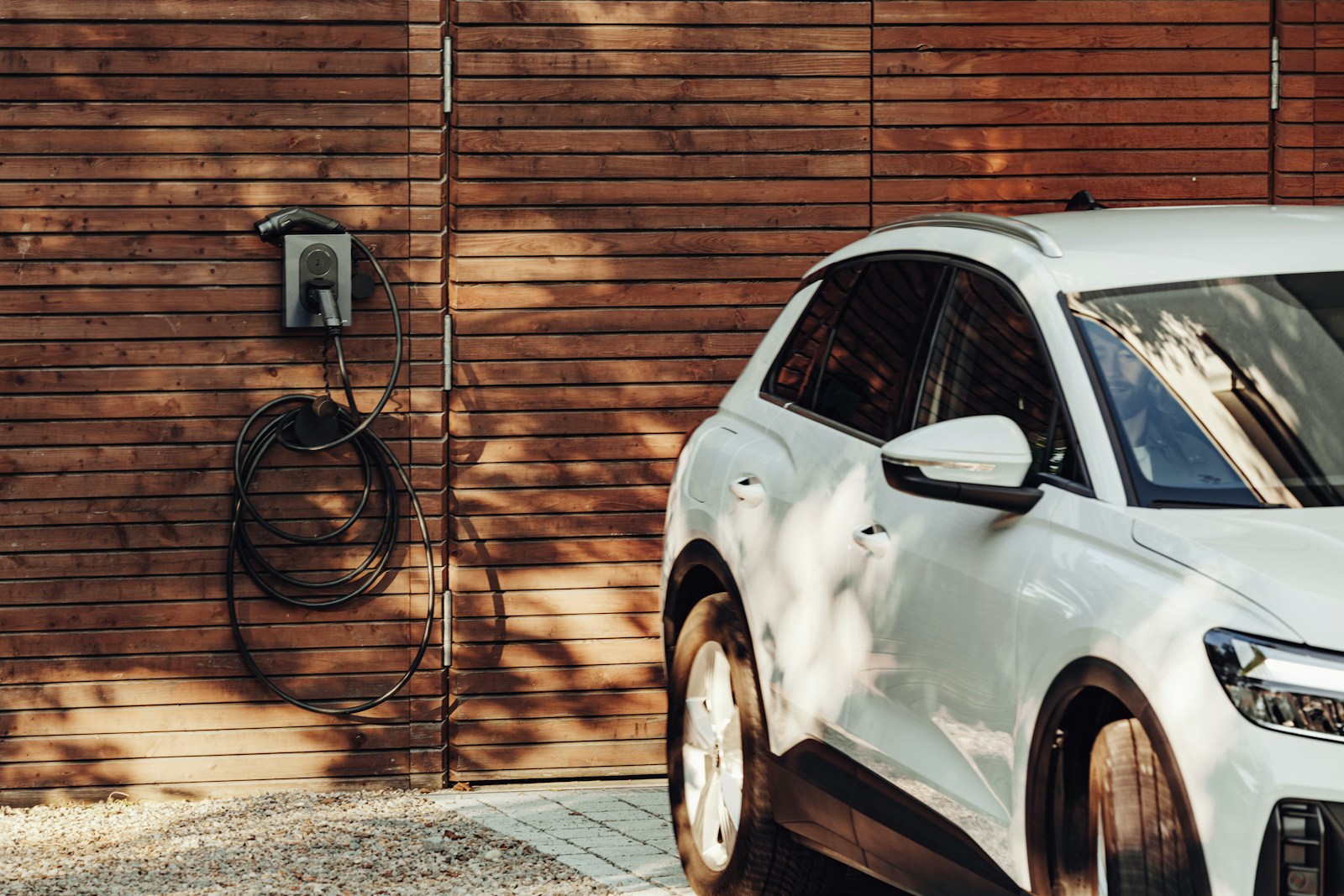

Electric vehicles promised a revolution in transportation with lower fuel costs and minimal maintenance, but thousands of new owners are discovering a different reality. While EVs can deliver 60-70% lower fuel costs than gasoline vehicles, hidden expenses from home charging installations to higher insurance premiums and faster tire wear are creating sticker shock that dealers rarely mention upfront.
The gap between marketing promises and actual ownership experiences has left many drivers questioning their purchase decisions. Some EV owners report spending over $2,000 just to install a home charger, while others face insurance premiums that jumped 23% compared to their previous gas-powered vehicles. Public charging isn’t always the budget-friendly alternative either, with costs sometimes matching what drivers used to pay at the pump.
From battery degradation concerns to specialized repair shops with brutal wait times, the financial landscape of EV ownership extends far beyond the purchase price. Global EV sales exceeded 17 million units in 2024, nearly triple the numbers from 2021, yet many of these buyers are now confronting unexpected costs that weren’t part of the sales pitch.
Unexpected Expenses of Electric Vehicles
Beyond the sticker price, EV buyers are discovering costs they never anticipated. From dealership markups to electrical panel upgrades, these expenses are reshaping how people view electric vehicle ownership.
Add-On Costs and Hidden Dealership Fees
Dealerships have found creative ways to pad EV prices beyond the manufacturer’s suggested retail price. Many buyers report mandatory add-ons like paint protection packages, fabric treatments, and pre-installed accessories that add thousands to the final bill.
Some dealers charged market adjustment fees during high-demand periods, with markups reaching $5,000 to $15,000 on popular models. Documentation fees at EV dealerships also run higher than traditional car sales, sometimes hitting $800 or more.
Extended warranty packages for battery coverage get pushed aggressively during the sales process. These warranties can cost $2,000 to $4,000 upfront, even though most manufacturers already include eight-year battery warranties. Buyers who financed these add-ons found themselves paying interest on services they might never use.
Maintenance Surprises and Battery Replacement
EVs wear through tires faster than gas-powered vehicles due to their heavier weight and instant torque delivery. Tires on electric vehicles wear 20-30% faster than conventional tires, with some owners replacing their first set before 30,000 miles.
Specialized EV-rated tires cost more than standard options, and they’re necessary for optimal efficiency and noise reduction. Brake fluid still needs changing, cabin air filters require replacement, and coolant systems for battery thermal management need servicing.
The biggest concern remains battery replacement costs. Out-of-warranty battery replacements can run $10,000 to $20,000 depending on the vehicle. While most batteries last well beyond warranty periods, manufacturing defects or environmental damage can void coverage, leaving owners with massive bills.
Charging Infrastructure and Home Installation Costs
Home charging installation catches most new EV owners by surprise. The average installation cost ranges from $1,000 to $2,500, with older homes requiring electrical panel upgrades that push costs even higher.
Level 2 chargers themselves cost $400 to $800, but the real expense comes from electrical work. Homes built before 2000 often need panel upgrades to handle the additional amperage, adding $1,200 or more to the project. Permits, inspections, and running new dedicated circuits from the panel to the garage add to the total.
Apartment and condo dwellers face even steeper challenges. Without building owner approval and shared infrastructure costs, many resort to public charging networks. Public fast charging can cost $0.48 per kilowatt-hour, making a full charge nearly as expensive as filling a gas tank.
Is Owning an EV Really Worth It?
The financial reality of electric vehicles depends heavily on individual circumstances, with some drivers experiencing significant savings while others face unexpected expenses that eliminate traditional EV advantages. Real-world 2025 data shows mixed results when comparing total costs against conventional vehicles.
Comparing Total Ownership Costs to Gas Vehicles
Electric vehicles deliver 60-70% lower fuel costs compared to gasoline vehicles and require 30-40% less maintenance over their lifetime. These savings sound compelling on paper, but buyers need to account for the upfront premium most EVs carry over comparable gas models.
The math gets complicated when factoring in charging infrastructure. Drivers who install home chargers face installation costs ranging from $500 to $2,000 depending on electrical panel upgrades. Those relying on public charging networks often pay rates that approach or exceed gas prices per mile.
Insurance premiums add another layer to the comprehensive costs of owning an EV. Many insurers charge 15-25% more for electric vehicles due to expensive battery repairs and limited technician networks. Higher registration fees in certain states further chip away at fuel savings.
Resale Value and Depreciation Concerns
Electric vehicles are experiencing steeper depreciation than traditional cars, with some models losing 50% of their value within three years. Battery degradation concerns and rapidly improving technology make older EVs less attractive to used car buyers.
The used EV market faces unique challenges. Potential buyers worry about battery replacement costs, which can run $5,000 to $15,000 depending on the model. Software updates and charging port compatibility also create uncertainty around long-term usability.
Some early EV adopters are discovering their vehicles are worth far less than expected when it’s time to sell or trade in.
More from Steel Horse Rides: