
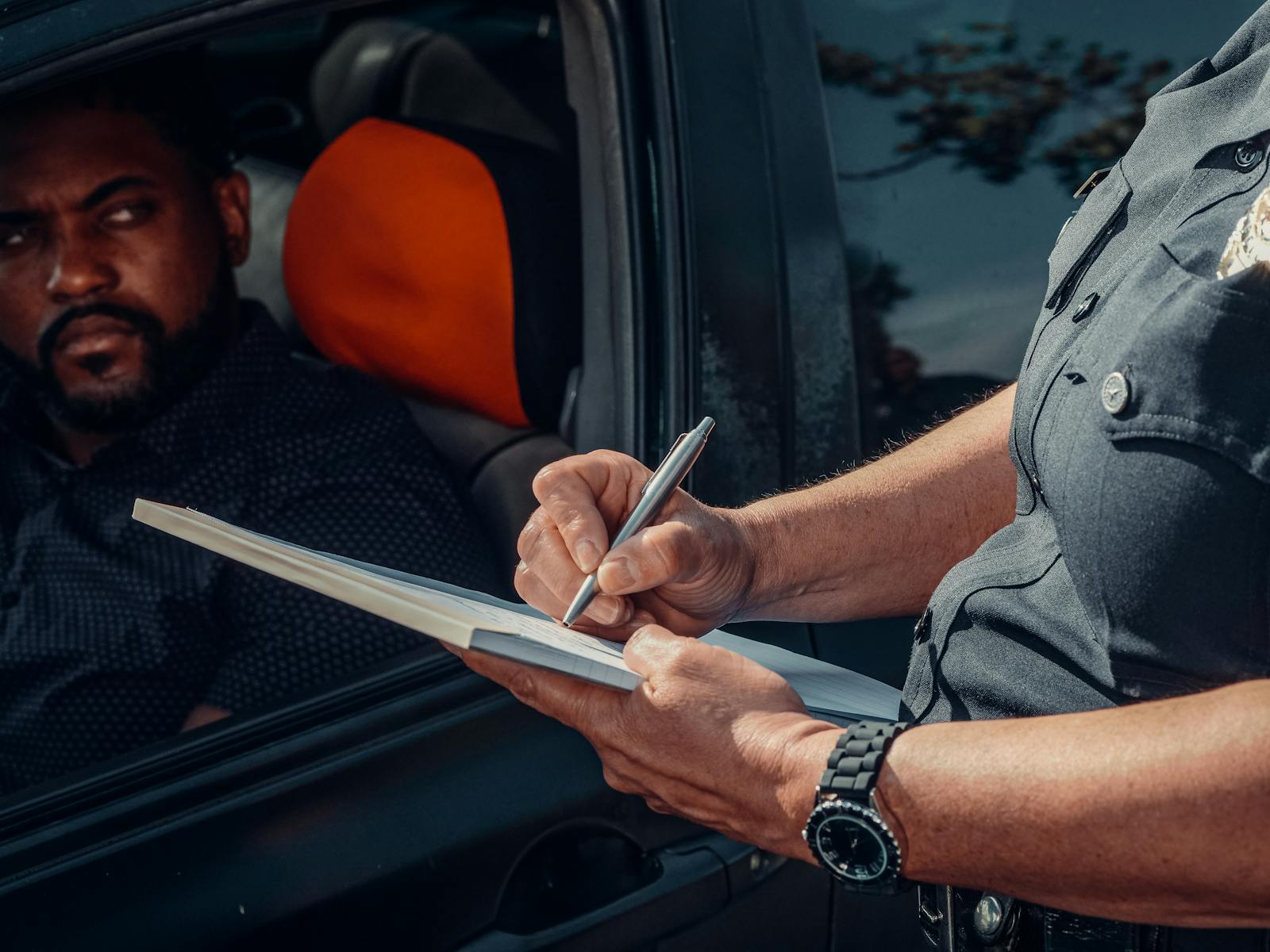

You spot more risky drivers every time you hit the road — and one illegal habit is driving up crash risk across the country. Driving after using drugs, especially cannabis, now matches alcohol in its potential to cause deadly crashes and is becoming a leading, overlooked hazard on American roads.
They’ll explain how different drugs affect judgment, why laws and tests lag behind, and what that means for your safety and the choices people make before getting behind the wheel. Expect clear examples, state-by-state contrasts, and practical steps someone can take to avoid riding with or becoming an impaired driver.
How Drugged Driving Is Quietly Becoming America’s Biggest Road Threat
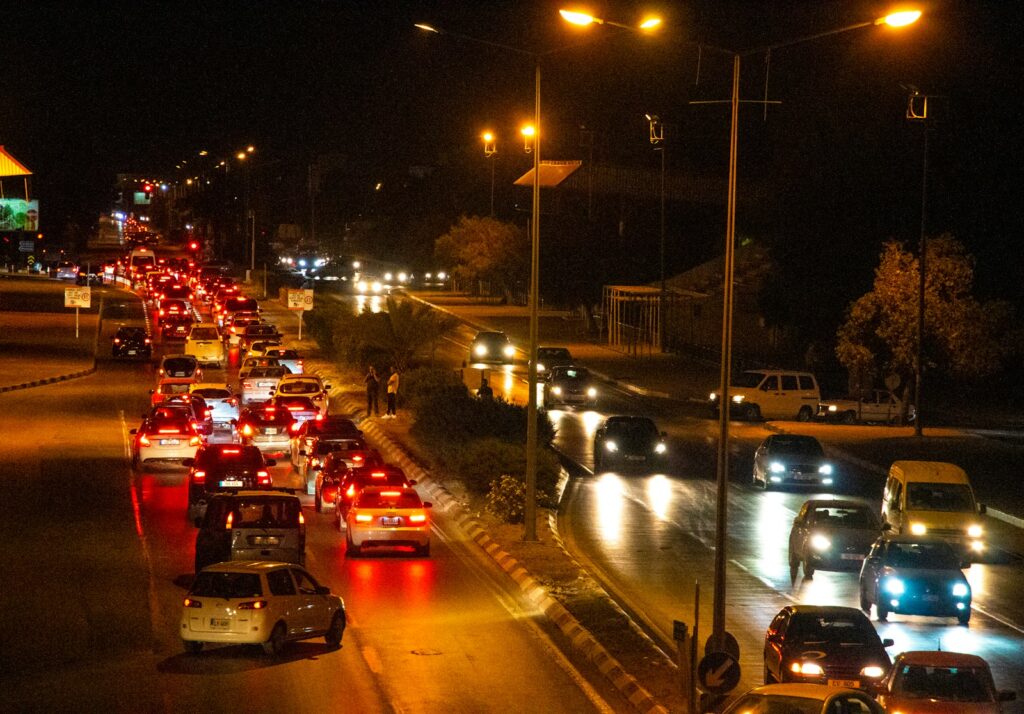
Drug-impaired drivers now include people who use cannabis, prescription sedatives, stimulants, and illegal stimulants. Detection is inconsistent across states, and public perception often underestimates drug effects behind the wheel.
What Counts as Drugged Driving and Why It’s Surging
Drugged driving covers operating a vehicle while impaired by any intoxicating drug—illegal, legal prescription, or over-the-counter—when those substances affect judgment, reaction time, or coordination. Laws vary: some states use observable impairment, others set per se limits for THC, and a few apply zero-tolerance for any controlled substance in the body.
Prevalence rose with wider cannabis legalization and greater prescription drug use. Surveys show millions report driving after using cannabis or other illicit drugs in the past year. Polydrug use and combinations with alcohol further complicate detection and enforcement, increasing overall risk on the roads.
Key Differences Between Drugged and Drunk Driving
Alcohol impairment correlates reliably with blood alcohol concentration; a 0.08% BAC provides a common legal standard and easy roadside testing. Drug impairment lacks a single universal metric: THC levels don’t map cleanly to impairment, and many drugs linger in the body long after effects subside.
Behavioral signs differ. Alcohol commonly reduces coordination and reaction speed. Cannabis often slows reaction time and spatial judgment. Stimulants can increase risk-taking and overconfidence. Law enforcement tools therefore range from field sobriety tests to oral fluid screening, but none match the simplicity and legal clarity of a breathalyzer.
Types of Drugs Involved and Their Effects
- Cannabis (THC): slows reaction time, impairs lane control and spatial awareness. Driving after cannabis use remains common, with many users reporting they drove within hours of use.
- Opioids and sedatives (benzodiazepines, sleep aids): cause drowsiness, slowed responses, and impaired attention.
- Stimulants (cocaine, methamphetamine): can produce overconfidence, aggressive maneuvers, and delayed hazard recognition.
- Prescription combinations: mixing opioids or benzodiazepines with alcohol markedly raises crash risk.
Polydrug use amplifies impairment. Even prescribed medications can make driving unsafe, and zero-tolerance or per se laws sometimes penalize drivers who are not currently impaired but have drug residues in their system.
The Human Toll: Real Incidents and Fatalities
Fatal crashes involving drugs have increased in several national and regional reports. Drivers testing positive for THC show higher odds of fatal involvement than sober drivers, though the magnitude differs from alcohol-related fatalities. Alcohol at or above 0.08% still constitutes a larger per-driver increase in fatal crash odds than typical THC levels, but rising drugged driving incidence narrows that gap in aggregate harm.
Cases include tragic collisions where impairment from cannabis or other substances led to pedestrian or passenger deaths and criminal convictions. Emergency responders and traffic safety agencies note that mixed-substance incidents frequently result in more severe outcomes, with combined alcohol-and-drug impairment particularly lethal. For more reporting on patterns and policy responses, consult this analysis of drugged driving trends.
The Wider Challenge: Dangers, Enforcement, and the Culture Around Illegal Driving Habits
Illegal driving behaviors raise collision risk, complicate enforcement, and reflect wider cultural norms that tolerate risky choices. These habits interact with speeding, distraction, and aggression to make certain stretches of road particularly hazardous.
Public Attitudes and Misconceptions
Many drivers acknowledge that behaviors like texting or driving drunk are dangerous, yet a significant share still does them. The AAA Foundation for Traffic Safety’s Traffic Safety Culture Index shows high awareness of risks but persistent self-reported engagement in distracted or speeding behaviors.
Drivers often downplay hands-free device risks; they view hands-free calls as safer even though attention and visual scanning suffer. Social norms also matter: when peers or local driving culture treat tailgating or honking as acceptable, individuals are more likely to repeat those actions.
Perceived enforcement affects attitudes. If people think police rarely ticket handheld phone use or drowsy driving, they justify continued risky behavior. That gap between belief and action helps explain why dangerous illegal habits remain common despite broad public disapproval.
The Struggle with Laws and Roadside Detection
Laws vary across states for handheld phone bans, automated enforcement, and penalties for aggressive driving. That patchwork complicates deterrence: drivers crossing state lines face different expectations and enforcement intensity. The National Highway Traffic Safety Administration provides national crash and fatality data, but enforcement still depends on local resources and priorities.
Roadside detection faces technical limits. Cameras catch speed and red-light running, but detecting impairment from fatigue or distracted glances is much harder. Police rely on observation, traffic stops, and roadside tests for impairment—methods that require officer time and introduce subjectivity.
Political resistance also limits expansion of automated enforcement. Many communities oppose speed cameras on residential streets, even though automated tools can raise perceived risk of apprehension and reduce repeat offenses when properly deployed.
Other High-Risk Habits: Speeding, Distraction, and Aggression
Speeding remains one of the most common and lethal behaviors; surveys show nearly half of drivers report exceeding posted limits in the previous month. Those identified as “speeding drivers” in traffic-culture research are more likely to commit other violations and to underestimate crash risk.
Distracted driving—texting, dialing, navigation input—continues to cause millions of crashes yearly. Texting increases crash risk sharply because it combines manual, visual, and cognitive distraction. Public campaigns and handheld-phone bans reduce use but do not eliminate distraction, especially where enforcement is weak.
Aggressive driving and road rage escalate routine infractions into dangerous confrontations. Aggressive behaviors—tailgating, unsafe lane changes, running red lights—raise acute crash risk and provoke retaliation. Enforcement tools and targeted education can reduce incidents, but lasting change requires shifts in local driving culture and stronger perceived consequences.
For more on public perceptions and detailed data, see the AAA Foundation’s Traffic Safety Culture Index and the National Highway Traffic Safety Administration’s crash statistics.
More from Steel Horse Rides: