
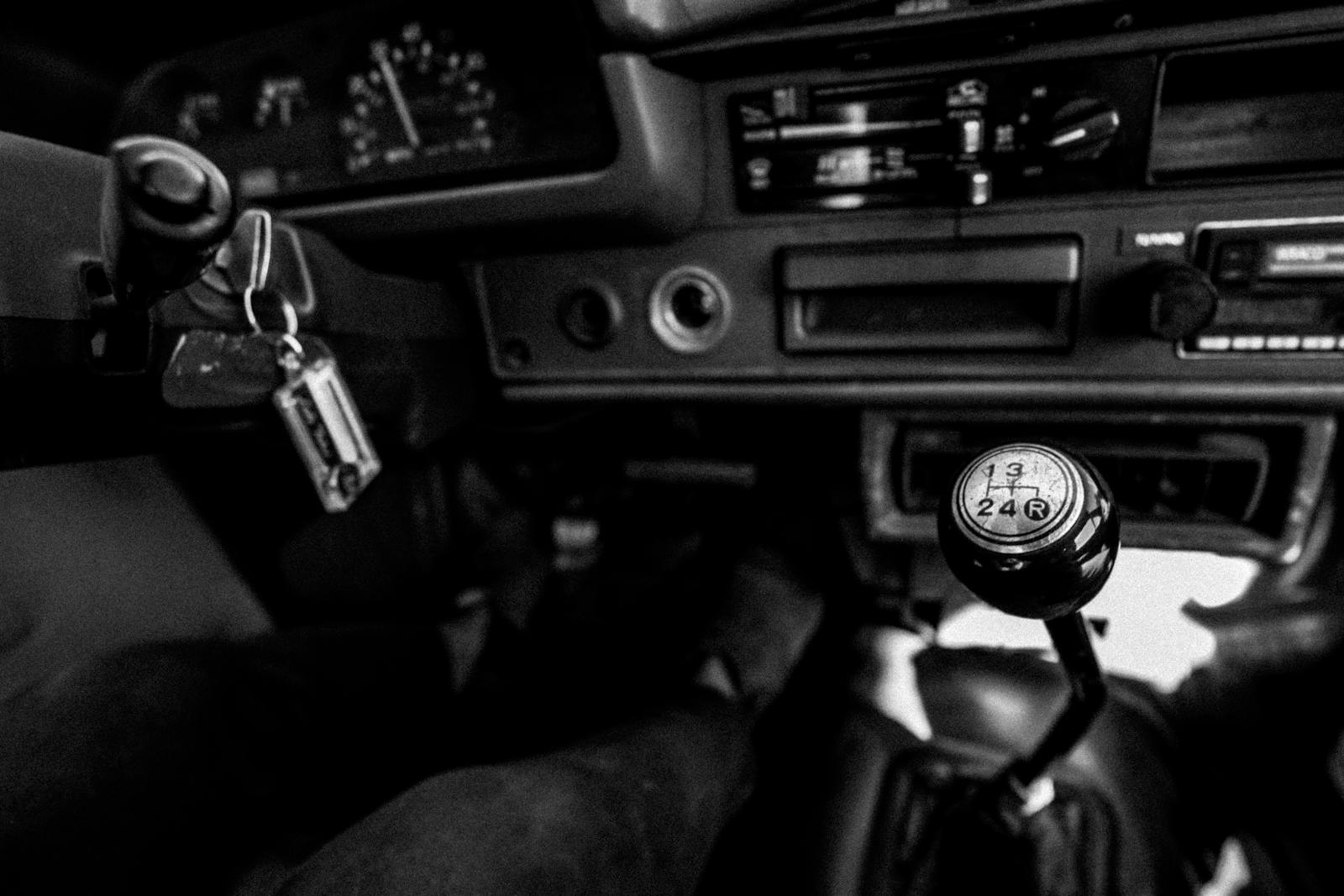

Automakers like to say the manual transmission is dead, but the numbers hiding in their own order books tell a different, and far more uncomfortable, story. When buyers are actually given a real choice, a surprising share still reaches for a clutch pedal, even as the overall market tilts hard toward automatics and electric cars. That gap between niche enthusiasm and mass-market neglect is the manual take-rate that should keep product planners up at night.
Across the industry, stick shifts have been pushed to the margins, yet the people who can still buy one are choosing them at rates that look less like a dying relic and more like a missed business opportunity. The stakes are not just nostalgia. They are about how much control drivers are willing to surrender, how quickly combustion cars fade, and whether brands are misreading what their most engaged customers actually want.
From mainstream collapse to niche loyalty
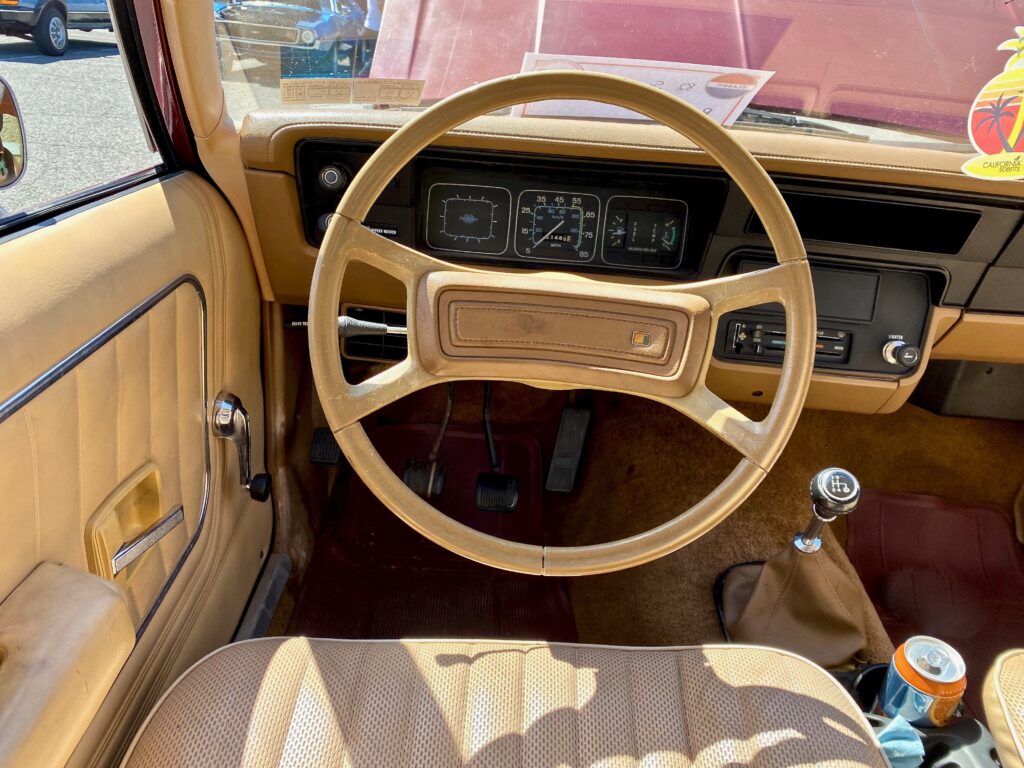
On the broad sales charts, the stick shift really has fallen off a cliff. A little over a decade ago, Manual transmissions still accounted for a meaningful slice of the market, but by 2018 they were down to just 2 percent of all vehicles sold, according to Edmunds. In 2006, that same data set showed a take-rate of 47 percent, a reminder of how quickly consumer habits flipped once automatics became cheaper, smoother, and more efficient. For the average commuter, the manual went from default to inconvenience in barely a generation.
Yet even in that bleak context, the stick has shown a stubborn pulse. Between 2021 and 2023, the share of new cars with three pedals in America nearly doubled, from 0.9-percent to 1.7-percent. That is still tiny in absolute terms, but it happened after years of decline, at a moment when automakers were already phasing manuals out of option sheets. The rebound suggests that scarcity, not lack of interest, is doing much of the work.
The performance-car warning light
The real alarm bell for automakers is not the overall market share, it is what happens when they let enthusiasts vote with their wallets. In performance segments where both gearboxes are offered, the manual take-rate keeps landing in the same surprisingly high band. One analysis of sports and performance models noted that, Contrary to the doom narrative, brands that still bother to engineer a stick often see take-rates clustering around a third or more of sales. That is not a fringe; it is a core slice of the most vocal, brand-loyal customers.
Drill into specific models and the pattern sharpens. A crowdsourced breakdown of recent orders shows the Acura Integra with 22 percent of buyers choosing a manual, the Honda Civic at 7 percent, the Hyundai Elantra N at 25 percent, and the Kia Forte at 2 percent. On the purist end, the Mazda Miata hits 60 percent, while the BMW M2 and Cadillac CT4/5V Blackwing sit around 50%. Even the John Cooper Works 2-Door clocks in at 51 percent. These are not cheap cars, and their buyers are not clinging to manuals for budget reasons.
Tech, EVs, and the risk of misreading the room
Automakers will argue that the future is already spoken for by automation and electrification, and on paper they are right. Driver-assist Tech is explicitly pushing toward less driver engagement, not more, and Almost every manufacturer is working on part-time hands-free systems that take the human out of the loop whenever possible. At the same time, regulators in several markets are targeting combustion engines themselves. One leasing analysis notes that, With the goal to ban the sale of new combustion-engine vehicles by 2030 in some regions, many manual cars are effectively on a countdown clock.
Electric models only accelerate that shift, because New EVs do not need multi-speed gearboxes at all. Yet that does not erase the cultural weight of the manual. A detailed video history points out that the story of the car itself is tightly bound up with the clutch pedal, and that the Jun evolution of the automobile is inextricably linked to learning to shift. Another Roman deep dive frames the stick as a kind of mechanical literacy test that shaped generations of drivers. When brands walk away from that heritage entirely, they are not just changing hardware, they are rewriting what it means to be a driver.
More from Wilder Media Group: