
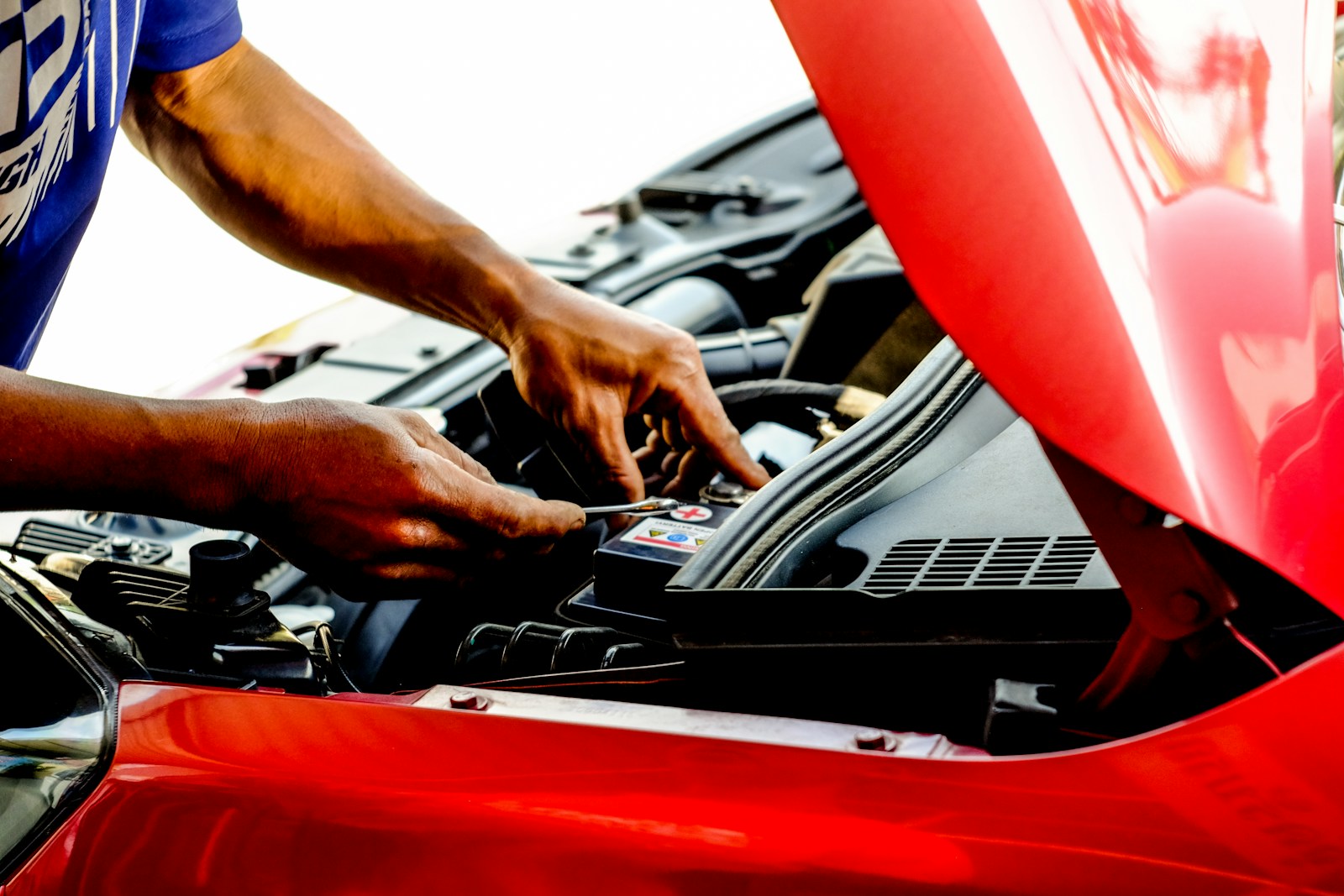

It’s the kind of moment that makes your stomach do a little flip: you pick up your car, you’re expecting one total, and the invoice is… not that. When the customer asked why an extra part had been replaced without permission, the explanation came with a tidy moral bow: “We assumed you’d approve it because no one says no to safety.”
On one hand, sure—most of us don’t want to gamble with brakes, steering, or anything else that keeps a two-ton metal box from becoming a science experiment. On the other hand, “safety” isn’t a magic word that turns your wallet into a communal resource. And that tension is exactly what’s fueling a growing wave of customer complaints and awkward front-counter conversations across repair shops.
When “safety” becomes a blank check

Mechanics aren’t wrong that safety issues can’t always wait. A cracked brake hose, a tire with cords showing, or a suspension component that’s about to snap is a real problem, not a “maybe later.”
But the jump from “this is unsafe” to “we went ahead and did it” is where things get messy. Even if the part truly needed replacing, most customers still expect a call, a text, or at least a quick “Hey, here’s what we found, here’s what it costs, do you want us to proceed?” It’s not just courtesy—it’s consent.
What typically happens at the shop (and why)
From the shop’s perspective, surprise repairs can come from a few predictable pressures. If the car is already torn down, putting it back together just to wait for approval can cost time, tie up a bay, and slow down the whole day’s schedule.
There’s also the liability fear. Some technicians worry that if they flag a serious issue, the customer declines it, and something goes wrong later, it could come back on them—fairly or not. So a few shops lean into a “fix it now” mindset, especially when the repair feels obvious and urgent.
The customer’s problem: you didn’t agree to that price
Here’s the thing: most people aren’t upset because a mechanic recommended a safety repair. They’re upset because the decision was made for them, and the bill shows up like an uninvited dinner guest who also ate the leftovers.
Even a “small” unapproved repair can break trust fast. If a shop assumes permission once, customers start wondering what else might get approved by vibes alone. And once you’re doing mental math in the parking lot, the relationship is basically over.
What consumer rules usually say (and why it matters)
Exact rules vary by state or country, but many places have consumer protection laws that require shops to provide a written estimate and get authorization before exceeding it. Some jurisdictions allow a certain percentage over the estimate, while others require explicit approval for any additional work.
That doesn’t mean every surprise part replacement is automatically illegal—but it does mean “we assumed” often isn’t the slam-dunk defense shops think it is. If there’s a dispute, documentation matters: the original estimate, any signed authorization, text messages, voicemail logs, and the final invoice details.
What you can do if this happens to you
Start calm and get the facts. Ask which part was replaced, why it was necessary, and whether the old part is available to see (many shops will show you if you ask, and some regions require they return replaced parts on request).
Then ask the key question: “When did you get my authorization?” If the answer is basically “we didn’t,” you’ve got solid ground to negotiate. A reasonable outcome might be paying for the originally approved work and discussing a discount or adjustment on the unapproved item—especially if the shop can’t show a documented attempt to contact you.
How shops can handle safety issues without steamrolling customers
The best shops already have a system for this, and it’s surprisingly simple: communicate early, communicate in writing, and give options. A photo or quick video inspection with a short explanation (“Here’s the crack, here’s why it matters, here’s the cost”) goes a long way.
Also, not every safety item is a “right now or you’ll die” emergency. Some are urgent, some are “soon,” and some are “keep an eye on it.” Customers can handle the truth; they just want the truth without a surprise invoice.
Why that “no one says no to safety” line rubs people the wrong way
It sounds caring, but it can land as manipulative. Most people hear it as: “If you question this bill, you’re the kind of person who doesn’t care about safety,” which is an unfair position to put someone in—especially when they weren’t asked in the first place.
And it ignores a very real reality: people have budgets. Someone can care deeply about safety and still need to plan, price-shop, or schedule a repair for payday. A surprise expense doesn’t become morally pure because the word “safety” was spoken over it.
How to protect yourself before you drop off the keys
When you book the appointment, set a clear rule: “Please don’t do any additional work without calling or texting me first.” Then put a dollar cap on it: “No extra charges beyond the estimate without approval.” If you can, get that noted on the work order.
It also helps to ask how they communicate—call, text, email—and confirm the best number. A lot of “we tried to reach you” stories turn out to be a wrong digit, a blocked call, or a voicemail that never stood a chance.
The bigger picture: trust is the real safety feature
Cars are complicated, and most of us aren’t crawling underneath ours with a flashlight on weekends. That’s why trust matters so much in auto repair—because customers are relying on expertise they can’t easily verify in real time.
A shop that replaces parts without permission may fix a mechanical risk, but it creates a customer relationship risk. And that one spreads quickly: a frustrated conversation becomes a review, a review becomes a reputation, and suddenly the shop’s busiest bay is the one filled with avoidable drama.
Safety repairs are important, no argument there. But consent is important too, and it’s not optional just because the part is scary. The best outcome is simple: fix what needs fixing, explain it clearly, and ask before spending someone else’s money—because “no one says no to safety” shouldn’t mean “no one gets a choice.”
More from Steel Horse Rides: