
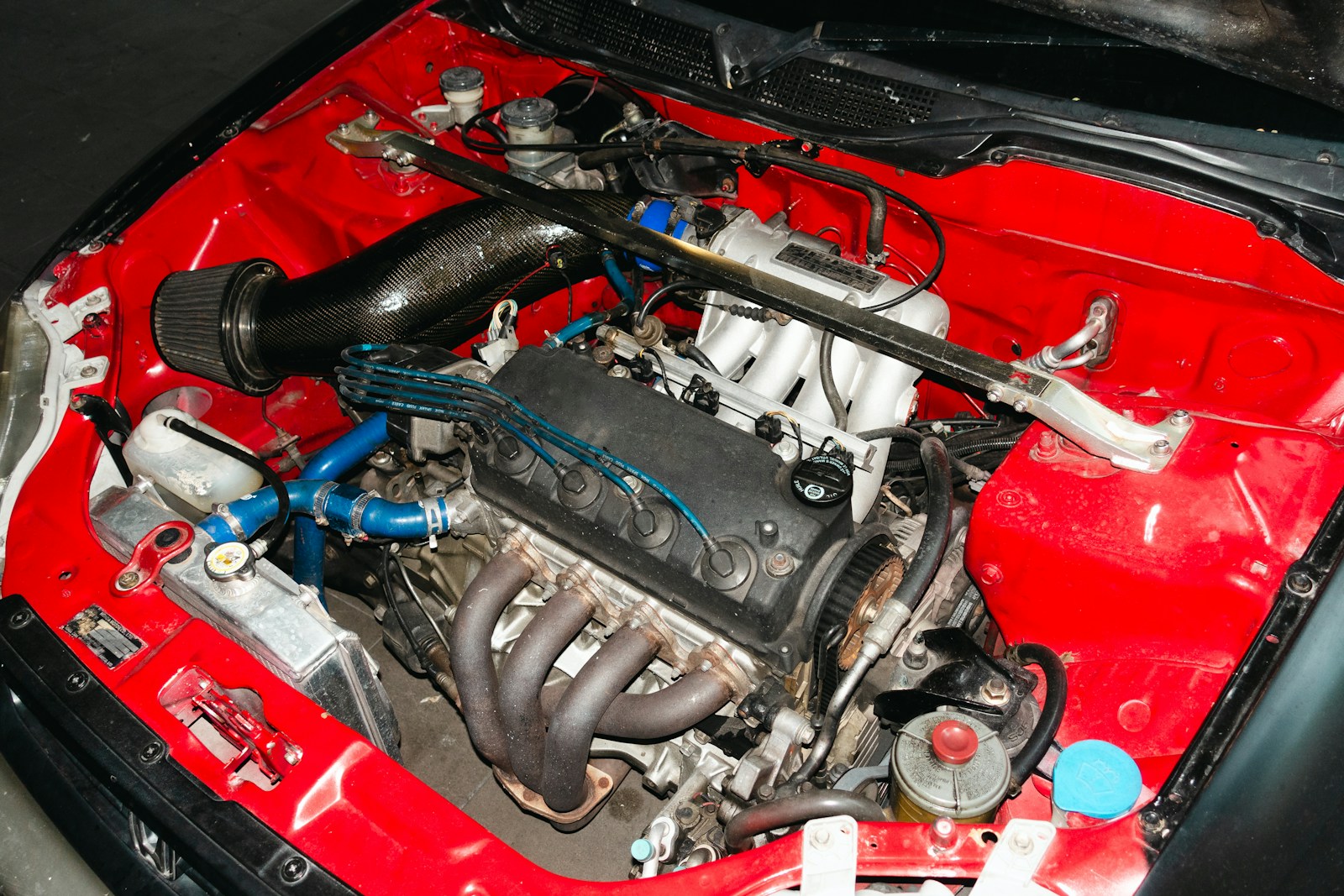

It started the way a lot of car nightmares do: one weird symptom, one ignored warning light, and then a sudden moment where your vehicle decides it’s tired of pretending everything’s fine. My car began idling rough at stoplights, hesitating on the highway, and drinking fuel like it had a secret side hustle as a gas station. I did what most people do—I booked the earliest appointment I could and hoped it was something dumb and cheap.
Instead, I got the sentence every driver dreads. After a quick look, the first mechanic hit me with the kind of diagnosis that makes your stomach drop: “Your engine’s basically done. You’ll need a full replacement.” It was delivered calmly, like he was telling me I needed new windshield wipers.
The “Your Engine Is Toast” Diagnosis
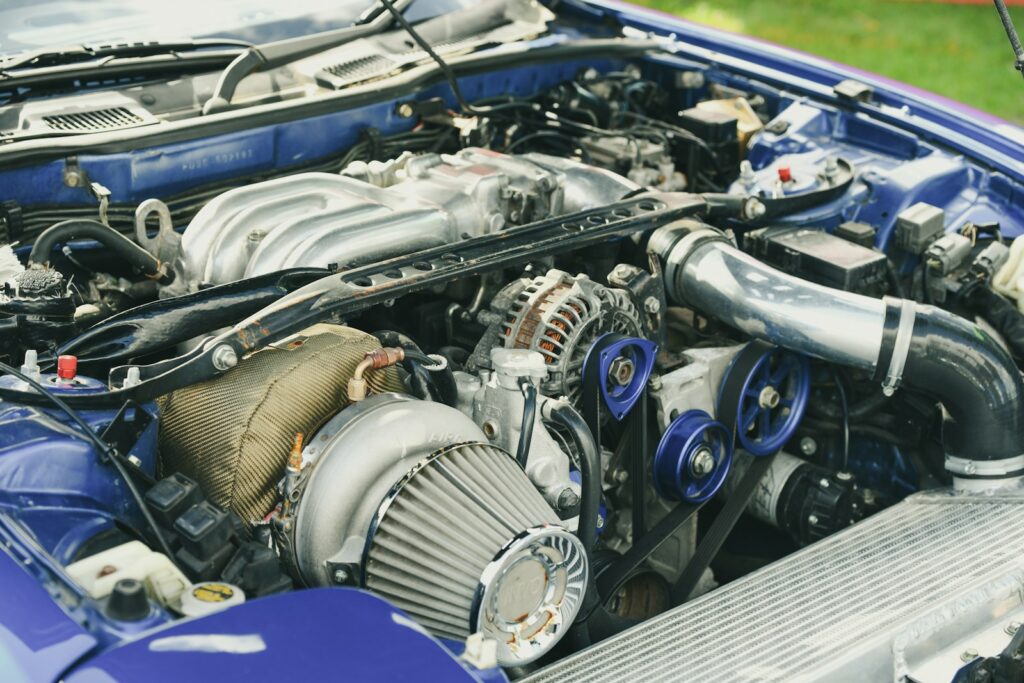
The shop’s reasoning sounded convincing at first. They mentioned misfires, inconsistent compression readings, and an engine that “wasn’t responding the way it should.” Then came the estimate—several thousand dollars, plus the usual vagueness about timeline and “what we might find once we get in there.”
Here’s the thing: I’m not a master mechanic, but I’ve owned enough used cars to know when something doesn’t add up. The car still started. It still drove. It ran badly, sure, but it didn’t sound like a bag of bolts in a blender, and there weren’t puddles of oil forming a sad little crime scene under it.
Why Big Diagnoses Happen More Than You’d Think
When you’re staring down a scary dashboard light, it’s easy to assume the worst. And honestly, some shops lean into that fear—sometimes intentionally, sometimes because they’re rushing, sometimes because modern cars are genuinely complicated. A rough idle can come from everything from a vacuum leak to a failing fuel pump to a sensor that’s having a bad day.
There’s also a business reality that no one loves talking about. Large jobs pay well, and they’re predictable in a way small “chase the gremlin” diagnostics aren’t. If a shop is busy, under pressure, or not thrilled about spending an hour tracing electrical signals, the path of least resistance can start looking like a whole new engine.
The Second Opinion That Changed Everything
I didn’t argue with the first mechanic—I just thanked him and drove (carefully) to another shop that had a good reputation for diagnostics. The second place didn’t roll their eyes or promise miracles. They just said, “Leave it with us for an hour, and we’ll see what the car’s actually trying to tell us.”
That alone felt different. No dramatic declarations. No guessing. Just the calm confidence of someone who’s willing to do the unglamorous work of testing before replacing anything expensive.
The Culprit: A Single Sensor
The second shop called me back faster than I expected. “Good news,” the tech said, and you could practically hear the relief in his voice because he knew what that meant for my wallet. The problem wasn’t the engine at all—it was a faulty sensor throwing off the air-fuel mixture and causing the car to run rough and misfire.
In my case, it was a sensor swap—quick, straightforward, and nowhere near the price of an engine replacement. The car immediately smoothed out after the repair, like it had been holding its breath for weeks and finally exhaled. The check engine light stayed off, the idle settled, and the gas mileage started acting normal again.
How a Tiny Sensor Can Mimic a Major Engine Failure
Modern engines depend on sensors the way humans depend on sleep: you can technically function without them, but it gets weird fast. A bad sensor can tell the computer the engine is running lean when it’s not, rich when it’s not, hot when it’s cold—basically sending your car’s brain into a mild panic. The result can feel dramatic: stalling, sputtering, poor acceleration, and misfires that sound like something truly catastrophic.
To make things messier, a sensor issue can cascade into other symptoms. If the computer compensates incorrectly for long enough, you can foul spark plugs, stress the catalytic converter, and trigger a parade of error codes. From the outside, it can look like “the engine is dying,” when it’s really “the engine is confused.”
The Part Everyone Forgets: Testing
The difference between the two shops wasn’t magical talent—it was process. The second shop ran a proper diagnostic: scanning codes, checking live data, verifying readings, and confirming the sensor was actually lying. They didn’t just see a misfire and assume the engine was doomed.
If you’re wondering why the first shop didn’t do that, it could be any number of reasons. Maybe they were slammed. Maybe their diagnostic approach is more old-school. Or maybe they saw “symptoms that sometimes mean engine failure” and jumped to the worst-case scenario without proving it.
What Drivers Can Do to Avoid Getting Burned
First: don’t be embarrassed to get a second opinion, especially when the repair involves an engine replacement, transmission rebuild, or anything else that costs more than your monthly rent. A reputable shop won’t guilt you for double-checking—they’ll expect it. If someone pressures you to decide on the spot, that’s not a great sign.
Second: ask what tests led to the diagnosis. You don’t need to speak fluent mechanic, but you can ask, “What data did you see?” or “What did you verify?” If the answers stay fuzzy—no codes, no readings, no explanation—pause before handing over thousands of dollars.
Third: request the error codes and a printout if possible. Codes don’t tell the whole story, but they’re a starting point and help another shop pick up the trail faster. Plus, it’s harder for anyone to sell you a mystery when you’ve got the actual numbers.
A Happy Ending (and a Slightly Annoying Lesson)
I drove away from the second shop with a car that felt like itself again and a bill that didn’t ruin my week. The frustrating part is how close I came to agreeing to a repair I didn’t need. If I’d been a little more tired, a little more stressed, or a little less stubborn, I might’ve signed off on an engine swap for a problem that fit in the palm of a hand.
The bigger takeaway isn’t “mechanics are out to get you,” because plenty aren’t. It’s that modern cars can throw big tantrums over small failures, and good diagnostics are worth their weight in gold. Sometimes the fix really is major—but sometimes it’s just a sensor, quietly messing with your day until someone bothers to check the facts.
More from Steel Horse Rides: