

They’ll want to know which repairs often hit hardest after 100,000 miles and which vehicles tend to dodge the worst of them. This article shows which high-cost failures crop up most often at high mileage and points toward cars that typically avoid those burdens.
It outlines common trouble spots such as transmissions, timing systems, turbos, and exhaust components, then contrasts those risks with models known for longer-lasting reliability. Expect clear guidance to help weigh repair risk when buying, keeping, or selling a high-mileage vehicle.
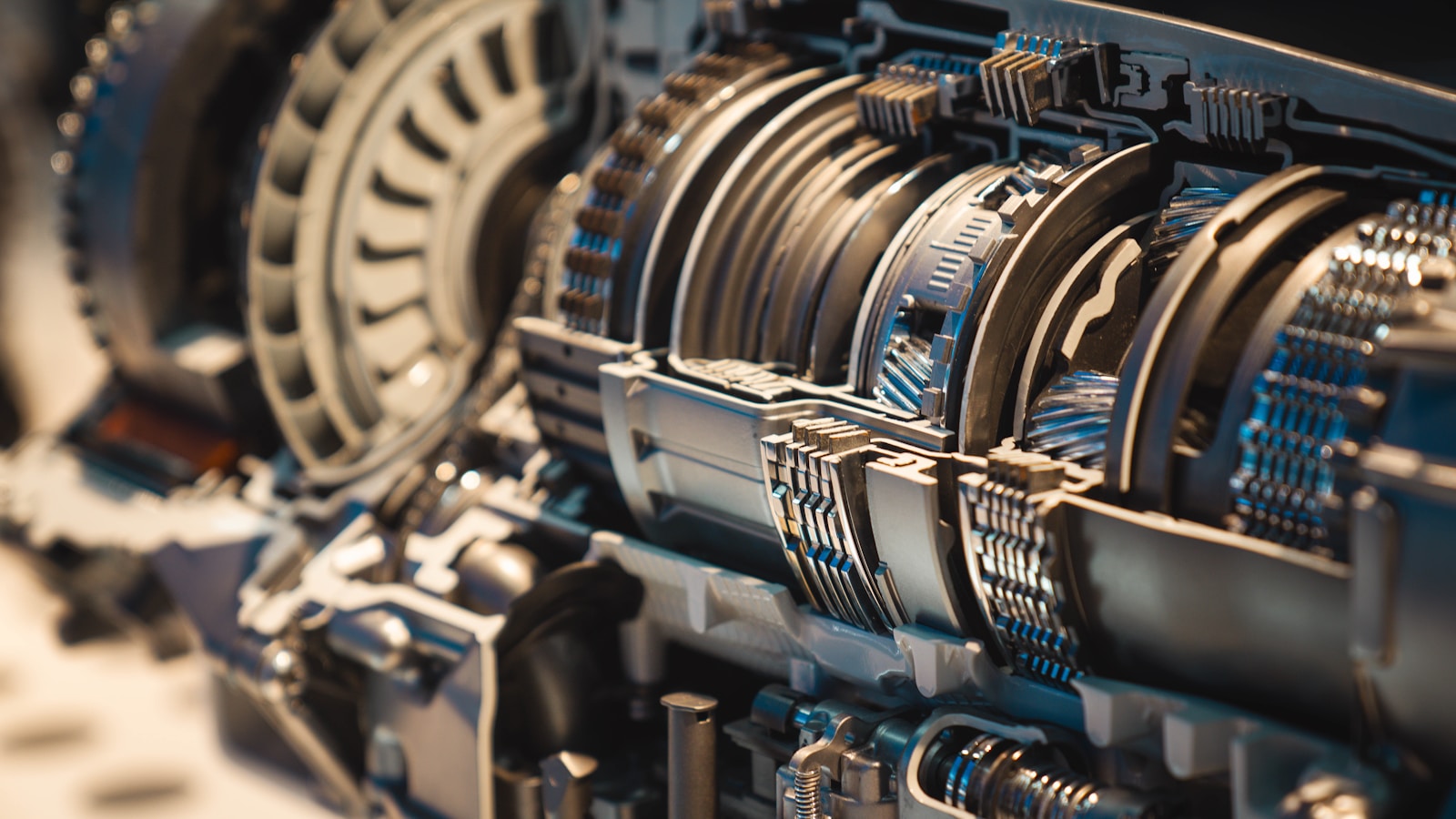
Transmission rebuild or replacement
Transmission work ranks among the priciest repairs after 100,000 miles, often costing from roughly $1,200 to well over $6,000 depending on rebuild versus full replacement.
They should weigh repair severity, vehicle value, and whether a rebuilt unit or used replacement offers better long-term value.
Labor and parts vary widely by model, and some luxury or electric vehicles demand specialized service that raises bills.
Drivers can reduce risk with timely fluid changes and by addressing shifting issues early to avoid major failure.
Consider estimates from reputable shops and compare rebuilt, used, and new options before committing.
Timing belt and water pump failure
Timing belt breakage can ruin an engine by bending valves or damaging pistons, and repairs often cost several hundred to over a thousand dollars. Many mechanics recommend replacing the belt and water pump together to save on labor and avoid repeat work.
Owners should check manufacturer intervals — typically 60,000–100,000 miles — and watch for noise, oil contamination, or rough idling. Replacing both on schedule prevents sudden failures and expensive engine damage.
Consider vehicles with timing chains; they usually avoid this service but can have their own long-term issues.
Turbocharger repair or replacement
When a turbo shows signs of wear—whining, smoke, or loss of boost—drivers face repair bills that can range widely based on damage and vehicle. Minor fixes might be a few hundred dollars, while full replacements often run into the thousands depending on parts and labor.
They should weigh repair vs. replace by vehicle value, age, and how extensive the damage is. For cost comparisons and typical price ranges, see an overview of turbocharger repair and replacement costs.
Head gasket replacement
A blown head gasket can turn routine maintenance into a major bill, often costing several hundred to several thousand dollars depending on labor and vehicle. Mechanics point out that labor time and engine layout drive most of the price, so luxury and V‑configured engines usually cost more.
Drivers should watch for coolant loss, white exhaust smoke, or overheating as early warning signs. Choosing a reliable model can reduce the risk of this repair after 100,000 miles; some vehicles report far fewer head gasket failures than others.
Suspension system overhaul
After 100,000 miles, the suspension often shows wear that degrades ride comfort and handling. Worn shocks, struts, ball joints, and control arms can lead to uneven tire wear and poor steering response.
A full overhaul can be costly because it usually involves multiple parts and labor. Drivers can cut expenses by replacing worn components in stages or choosing high-quality aftermarket parts.
Some models use simpler, widely available parts that keep overhaul costs lower. Check repair-cost guides like the one on suspension repair pricing for current estimates.
Fuel pump replacement
After 100,000 miles, fuel pumps can wear out and cause stalling, hard starts, or poor fuel economy. Replacement often ranges widely; many drivers pay roughly $250–$1,300 depending on parts and labor, with labor sometimes driving costs higher.
Some vehicles make access easy and keep costs lower, while others require tank removal and pricier labor. For a detailed breakdown of typical price ranges and factors, see the guide on fuel pump replacement costs.
Catalytic converter replacement
Catalytic converters often fail after heavy use or theft, and replacements can cost hundreds to several thousand dollars depending on the car. Owners of luxury or V8 models usually face the highest bills, while common sedans trend lower.
They contain precious metals that drive price, and labor can add substantially to the total. Drivers can check repair guides like RepairPal and consumer cost summaries to estimate their specific vehicle’s range.
Air conditioning compressor repair
The AC compressor often fails after 100,000 miles and can be one of the priciest fixes on a car. Repairs range widely depending on part and labor, with full replacements often costing several hundred to over a thousand dollars.
A failed compressor can contaminate the whole system, forcing additional parts like the condenser or dryer to be replaced. Owners who keep refrigerant levels checked and fix small leaks early usually face lower bills.
Alternator replacement
Alternator failure commonly shows up after 100,000 miles, especially if charging system maintenance lagged. Repairs typically run from about $200 to $600, with labor adding $100–$150 depending on the car and shop.
Drivers often choose a remanufactured unit to balance cost and reliability, though brand-new or OEM alternators cost more. They should get an alternator tested before replacement to avoid unnecessary expense; batteries and belts are often checked at the same time.
High-mileage luxury cars like Lexus avoid major repairs
Many Lexus models are engineered for longevity, with robust powertrains and conservative tuning that help them pass 100,000 miles with fewer expensive failures. Owners often report lower surprise repair bills compared with European rivals.
Routine items still come up—brakes, tires, and wear-and-tear suspension parts—but catastrophic engine or transmission failures are uncommon. Reviews and reliability rankings frequently list the Lexus ES among luxury sedans that stay affordable to maintain even at high mileage (see reliability and cost comparisons).