

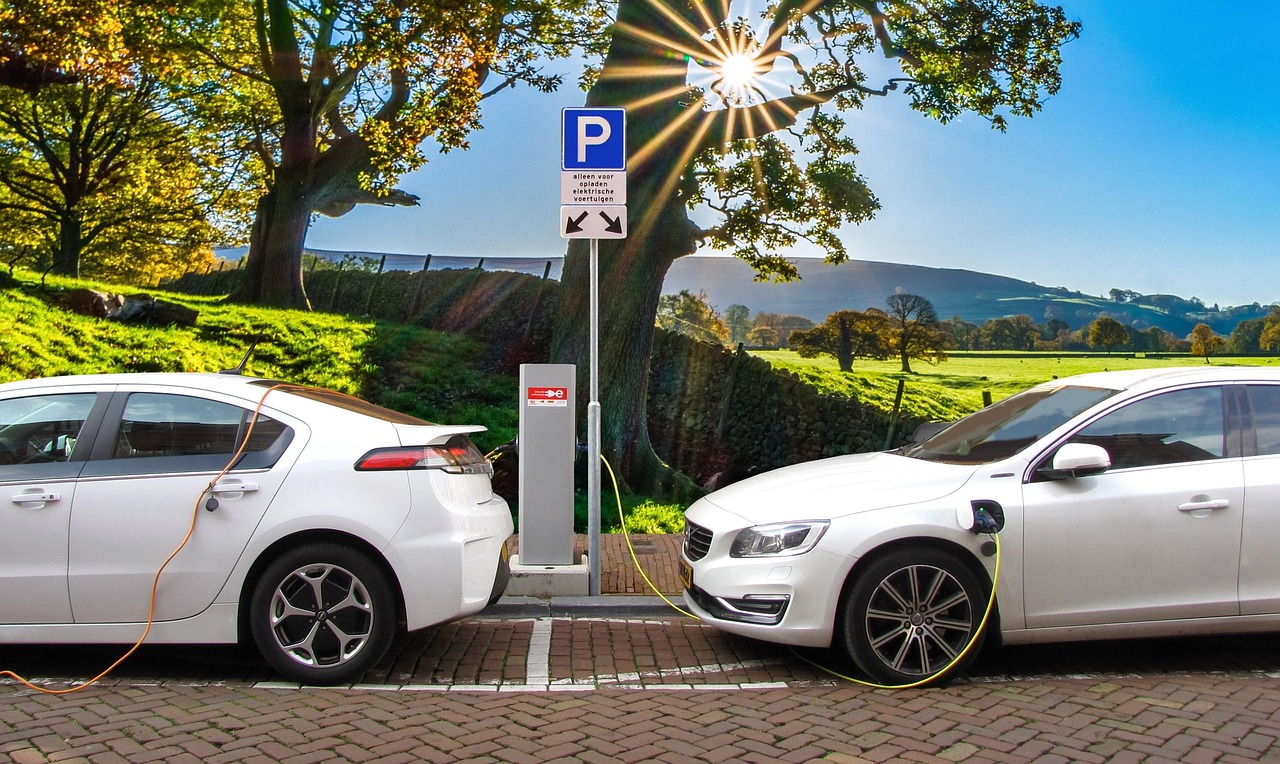
The automotive industry is set for a significant shift in fuel efficiency standards as the most fuel-efficient cars of 2025 are unveiled, promising to impact consumers’ wallets amid rising fuel prices. With the average price of gasoline hovering around $4.00 per gallon in many regions, drivers are increasingly seeking vehicles that maximize fuel economy without sacrificing performance. This year, several automakers are introducing models that not only meet but exceed the expectations for efficiency in an effort to appeal to environmentally conscious consumers and those looking to save on fuel costs.
Leading the Pack: Electric and Hybrid Models
As electric and hybrid vehicles continue to dominate the conversations around fuel efficiency, several models stand out for their impressive mileage. The 2025 Toyota Prius Prime, for instance, achieves an estimated 133 MPGe (miles per gallon equivalent) in electric mode and 54 MPG when running on gasoline. This plug-in hybrid model allows drivers to travel up to 25 miles on electric power alone, making it an excellent choice for urban commuters.
Another notable entry is the 2025 Hyundai Ioniq 5, which boasts an impressive 114 MPGe combined with a range of up to 300 miles on a single charge. With a sleek design and advanced technology features, the Ioniq 5 is not only eco-friendly but also appealing to those seeking a modern vehicle. Its high efficiency and range make it a strong competitor in the growing electric vehicle market.
Traditional Gasoline Vehicles Making Strides
While electric and hybrid models are leading the charge, traditional gasoline vehicles are also improving their efficiency. The 2025 Honda Accord, for example, delivers an estimated 38 MPG on the highway thanks to its turbocharged engine and aerodynamic design. This model remains popular due to its balance of comfort, reliability, and fuel economy, appealing to a broad range of consumers.
Additionally, the 2025 Toyota Corolla sedan has made headlines with its efficiency, offering up to 36 MPG combined. Known for its reliability and affordability, the Corolla continues to be a top choice for budget-conscious drivers looking for a dependable vehicle that won’t break the bank at the pump.
Luxury Meets Efficiency
The luxury segment is not left out of the fuel-efficiency conversation. The 2025 BMW 330e, a plug-in hybrid, achieves an estimated 75 MPGe and offers a blend of performance and luxury that appeals to affluent consumers. This model combines a turbocharged engine with an electric motor, allowing it to deliver both power and efficiency, setting a standard for luxury vehicles in the era of eco-conscious driving.
Moreover, the 2025 Lexus UX 300e, a fully electric SUV, offers a range of approximately 250 miles and an efficiency rating of 110 MPGe. With its premium features and reputation for reliability, the UX 300e is poised to attract buyers looking for both luxury and lower environmental impact.
The Importance of Fuel Efficiency in 2025
As fuel prices remain volatile and the global focus on climate change intensifies, fuel efficiency is becoming an essential consideration for car buyers. The U.S. Department of Energy has reported that fuel-efficient vehicles can save drivers thousands of dollars over the life of the vehicle compared to less efficient models. With rising concerns over greenhouse gas emissions, consumers are increasingly prioritizing eco-friendly options.
Furthermore, many states are implementing stricter emissions regulations, making fuel-efficient vehicles not just a choice but a necessity for compliance. Automakers are responding to these changes by investing heavily in research and development to enhance fuel efficiency across their fleets.
Conclusion: A Shift in Consumer Behavior
The 2025 model year marks a pivotal moment in the automotive industry as fuel-efficient vehicles become more accessible and varied. With numerous options available, consumers are encouraged to consider their driving habits and the long-term savings that come with choosing a fuel-efficient car. As the marketplace evolves, understanding the benefits of these vehicles will be crucial for making informed decisions.
In light of these developments, prospective buyers should actively research and consider test-driving these fuel-efficient models to determine which best fits their needs. With fuel prices projected to fluctuate and environmental awareness on the rise, now is the time to make a responsible choice that aligns with both budgetary concerns and sustainability goals. Don’t wait—explore the options and make your next vehicle purchase a fuel-efficient one.