

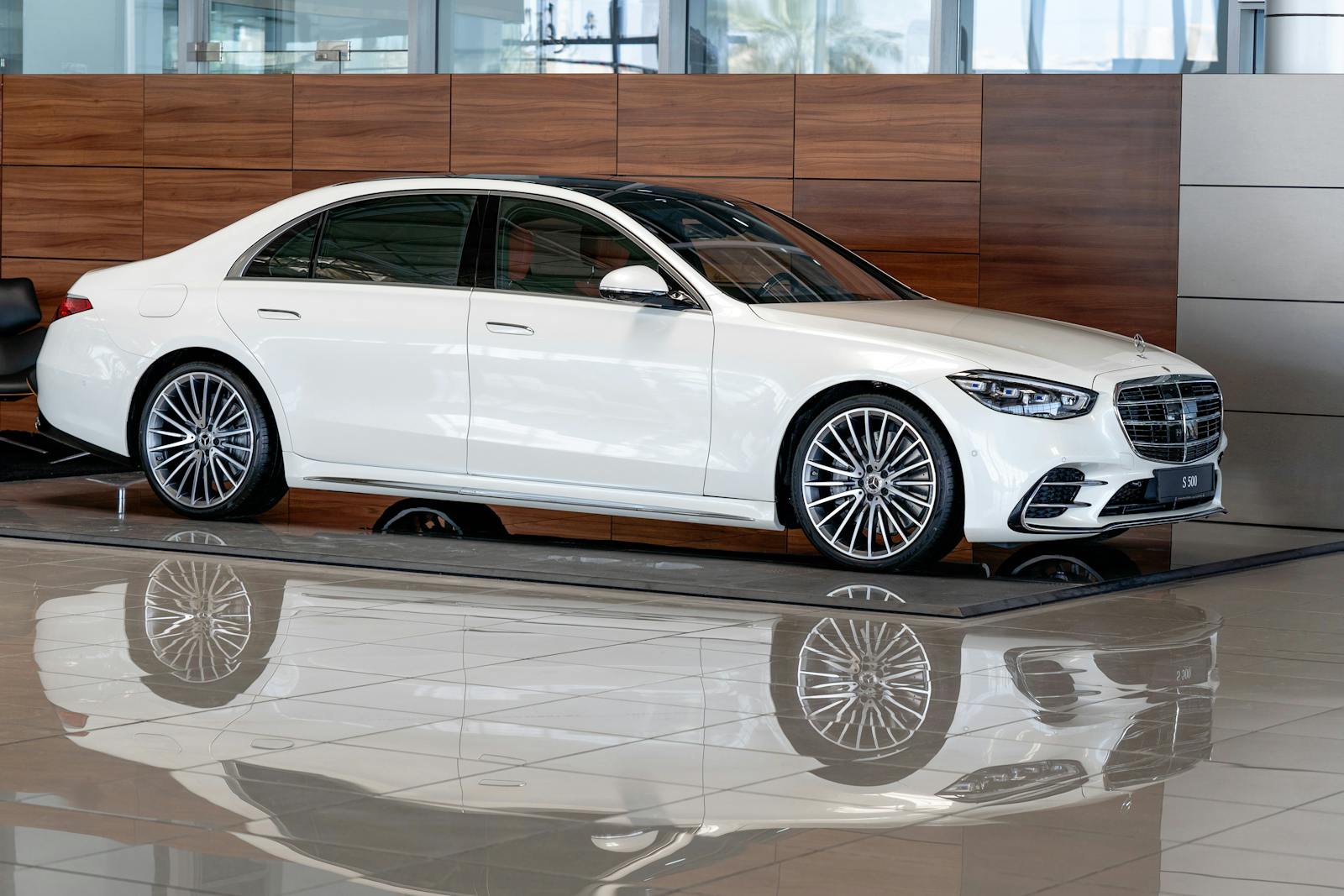
The Most Overengineered Car of the 2000s
The 2000s saw the rise of a very peculiar trend in the automotive industry: overengineering, where vehicles were designed with an excess of features that often complicated rather than enhanced the driving experience. Among these, the 2006 Mercedes-Benz S-Class stands out as a prime example, affecting consumers’ perception of luxury and efficiency in vehicles, and highlighting the pitfalls of excessive technological integration.
Understanding Overengineering
Overengineering occurs when products are designed with more features or components than necessary, often leading to increased costs and complexity. In the automotive sector, this trend emerged due to heightened competition and consumer demand for advanced technology. Manufacturers aimed to differentiate themselves by adding numerous gadgets, features, and high-tech systems to their vehicles, often at the expense of reliability and usability.
The 2006 Mercedes-Benz S-Class
The 2006 Mercedes-Benz S-Class epitomizes overengineering in the automotive world. Loaded with an extensive array of features, including an advanced air suspension system, a state-of-the-art infotainment system, and numerous driver assistance technologies, it was hailed as a pinnacle of luxury. However, this level of complexity often led to malfunctions, high repair costs, and consumer dissatisfaction.
For instance, the car featured an active body control system designed to enhance ride comfort by actively adjusting the suspension based on road conditions. While this technology aimed to provide a smoother ride, it was also prone to failures, leading to costly repairs that could exceed $3,000 per incident. Many owners reported issues with the air suspension system, which often required replacement after just a few years of use.
Consumer Response and Market Impact
The response from consumers was mixed. While many appreciated the luxurious features and cutting-edge technology, others found the overwhelming options daunting and the reliability questionable. The S-Class, which had a starting price of around $86,000, became a symbol of both luxury and frustration. Sales dipped as buyers began to question whether the burden of maintenance and repair costs outweighed the benefits of owning such a technologically advanced vehicle.
According to automotive sales data, the S-Class saw a decline in sales from 2006 to 2008, dropping from approximately 15,000 units to just under 10,000 units annually in the United States. This decline prompted Mercedes-Benz to reevaluate their approach to engineering and design, urging them to focus on simplifying features in subsequent models.
Long-Term Consequences
The legacy of the 2006 Mercedes-Benz S-Class serves as a cautionary tale for the automotive industry. Manufacturers learned that while consumers are often drawn to high-tech features, they also value reliability and ease of use. This realization led to a shift in strategy among automakers, who began to prioritize user-friendly designs and reliable technologies over sheer complexity.
As a result, later models, such as the 2014 S-Class, were designed with a more streamlined approach, retaining luxury while reducing the number of problematic features. This shift not only improved customer satisfaction but also helped to stabilize sales figures for the once-faltering luxury sedan.
A Broader Industry Reflection
The challenges faced by the 2006 S-Class reflect broader trends in the automotive industry during the 2000s. Manufacturers are now more cautious about incorporating advanced technologies, focusing instead on improving existing features and ensuring reliability. This has become especially crucial as the industry transitions towards electric vehicles and autonomous driving technologies, which inherently come with their own set of complexities.
Today, consumers are more informed and discerning than ever, often researching vehicle reliability and maintenance costs before making a purchase. With the average cost of car ownership reaching approximately $9,000 annually, buyers are increasingly looking for vehicles that offer both advanced features and dependable performance.
Conclusion
The 2006 Mercedes-Benz S-Class remains a significant case study in the pitfalls of overengineering within the automotive sector. While its luxurious features showcased the heights of automotive technology, the subsequent reliability issues highlighted the importance of balancing innovation with practicality. As the industry moves forward, manufacturers must heed the lessons learned from this era, focusing on creating vehicles that meet both the desires and needs of consumers.
For potential car buyers, understanding the implications of overengineering is crucial. Before making a purchase, consider researching vehicle reliability ratings, maintenance costs, and user reviews. Don’t get swept away by the allure of advanced technology; prioritize reliability and practicality in your next vehicle purchase.