

The used car market is currently saturated with vehicles that are being sold at prices significantly higher than their actual value, impacting buyers who are trying to navigate inflated pricing. A recent analysis from automotive pricing experts reveals that certain models are commanding outrageous premiums, creating challenges for consumers seeking affordable options. This trend not only affects individual buyers but also has broader implications for the automotive market overall.
Understanding the Price Surge
Several factors have contributed to the skyrocketing prices of used vehicles, including supply chain disruptions caused by the COVID-19 pandemic, semiconductor shortages, and heightened demand for personal transportation. As new car production slowed down, consumers turned to the used market, driving prices up significantly. According to Kelley Blue Book, the average price of used cars reached a staggering $28,000 in 2023, a 15% increase from just a year prior.
Top Overpriced Models
Among the most overpriced vehicles currently on the market are luxury SUVs and trucks. The 2021 Jeep Wrangler, for example, is averaging around $40,000, despite its typical market value being closer to $32,000. This $8,000 markup is primarily due to its popularity and perceived off-road capabilities.
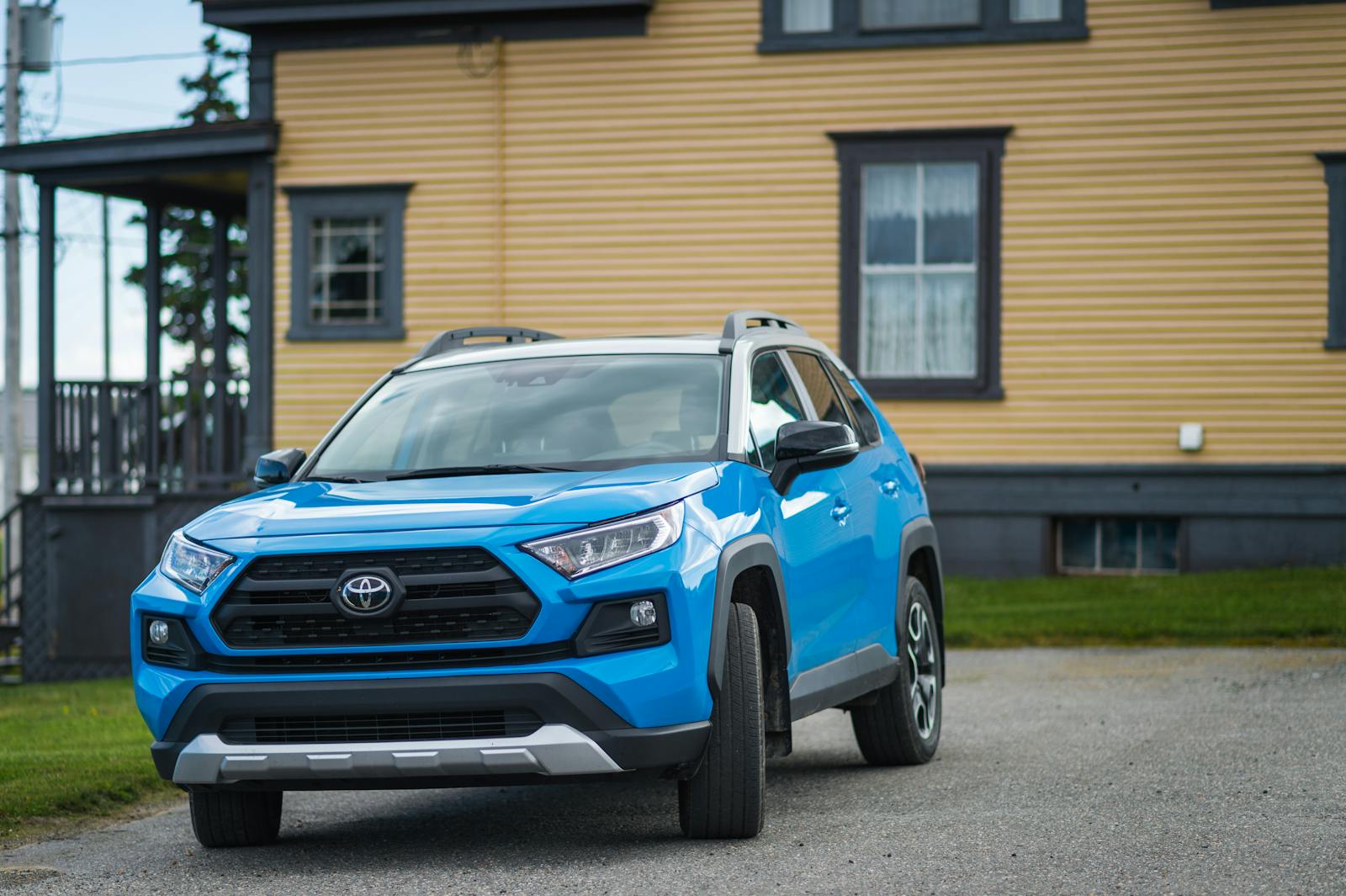
Another model making the list is the 2022 Toyota RAV4, which is selling for an average of $35,000, despite its MSRP being approximately $27,000. This $8,000 price increase can be attributed to a surge in demand for reliable compact SUVs, further exacerbated by limited inventory.
Luxury Brands Leading the Charge
Luxury brands are particularly notorious for inflated prices in the used market. The 2021 BMW X5, for instance, is being offered for around $65,000, well above its original price of $59,000. Factors such as brand prestige and consumer perception of luxury contribute to this price escalation.
Similarly, the 2020 Mercedes-Benz GLC-Class is seeing prices around $50,000, despite its initial MSRP of $43,000. Buyers may find themselves paying an extra $7,000 simply due to the brand’s reputation and the allure of owning a luxury vehicle.
Impact on Buyers
The inflated prices mean that potential buyers need to be more diligent in their research and financial planning. Many consumers are financing these vehicles, which can lead to long-term debt issues if the vehicle’s value depreciates rapidly. Experts recommend that buyers conduct thorough market research and seek out reliable pricing data before making a purchase.
Additionally, buyers should consider getting a vehicle history report and a pre-purchase inspection to avoid overpaying for a vehicle that may have hidden issues. With approximately 40% of used car buyers regretting their purchase due to overpricing, it is essential for consumers to remain vigilant.
Advice for Shoppers
To avoid falling into the trap of overpriced vehicles, consumers should focus on several key strategies. First, utilize online pricing tools like Kelley Blue Book and Edmunds to compare vehicle prices based on their condition, mileage, and local market trends. These resources can provide valuable insights into what constitutes a fair price for the vehicle you are considering.
Second, consider expanding your search radius. Sometimes, a slightly longer drive can lead to significant savings if you find a vehicle priced more reasonably in a different market. Additionally, staying flexible about vehicle features and trim levels can open up options that may not be subject to the same price inflation.
Market Outlook
As we move further into 2023, market analysts predict that the used car market will begin to stabilize. New car production is gradually returning to pre-pandemic levels, which should eventually lead to a decrease in used car prices. However, until that happens, consumers must navigate the current landscape with caution.
Potential buyers are encouraged to be patient and not rush into a purchase, as waiting could yield better deals in the coming months. The automotive industry is evolving, and with it, the pricing dynamics of used vehicles will likely shift as well.
Conclusion
In conclusion, the current state of the used car market presents several challenges for consumers, particularly with overpriced models dominating the landscape. Buyers need to be informed and proactive in their approach to purchasing a vehicle. By conducting thorough research, exploring various options, and remaining patient, consumers can make informed decisions that won’t leave them regretting their choices.
As the market continues to evolve, it is crucial for potential buyers to stay updated on trends and prices. Don’t let the inflated prices dictate your purchasing decisions;