
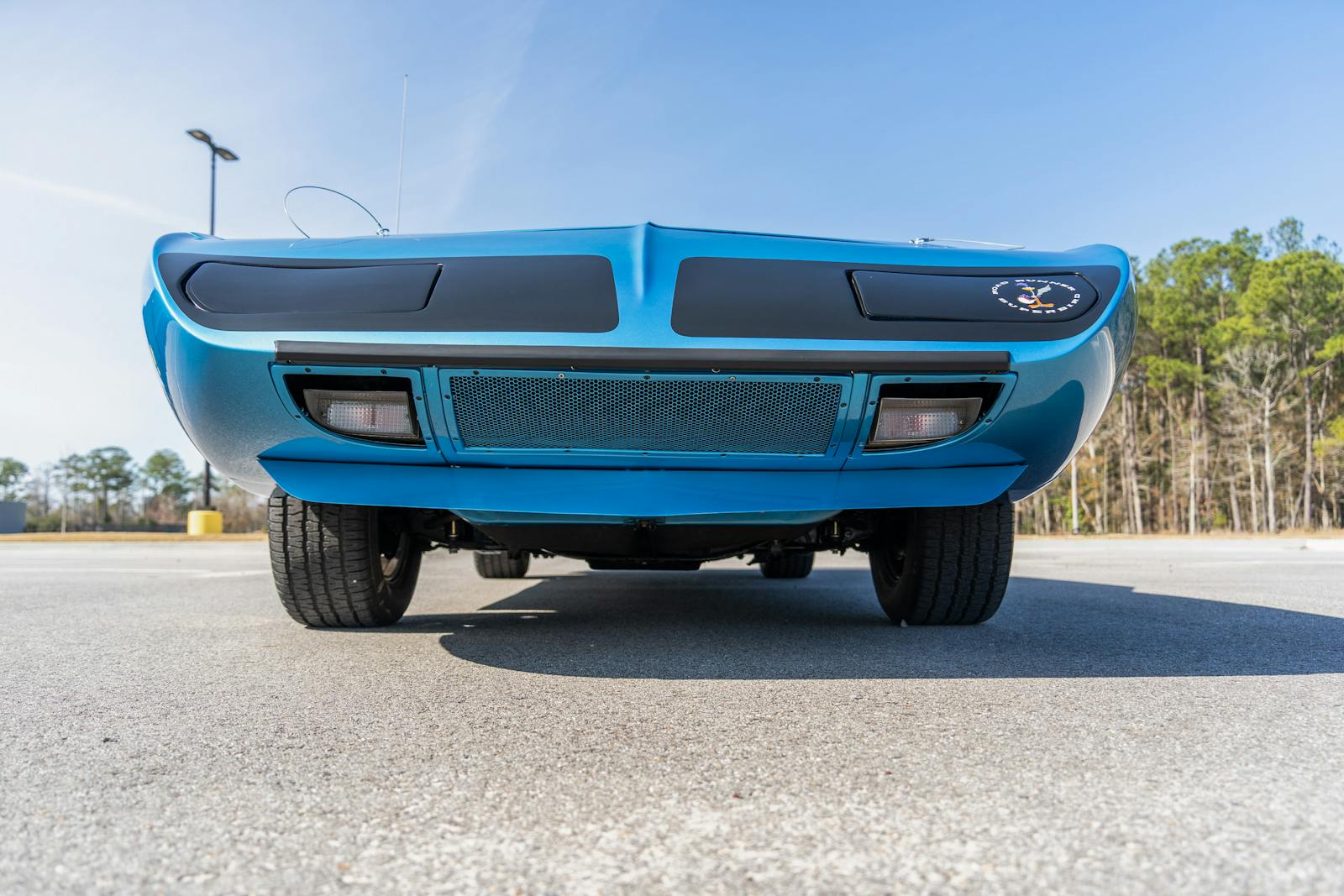

Mopar fans love to argue about legends, but the loudest debates usually circle the same usual suspects: Hemi ’Cudas, Charger R/Ts, and winged Daytonas. Sitting quietly in the corner of the conversation is a full-size brute that mixed big-block fury with family-car sheet metal and then slipped out of the spotlight. If any car deserves to wear the crown as the most underrated Mopar muscle machine ever built, it is the 1970 Plymouth Sport Fury GT.
On paper, the Sport Fury GT had everything that made the Golden Age and of Detroit performance so wild, yet it never became a poster car. That disconnect between what it was and how little it is remembered today is exactly what makes it such a compelling pick for the most overlooked Mopar of them all.
The Plymouth Sport Fury GT’s Quiet Muscle-car Credentials
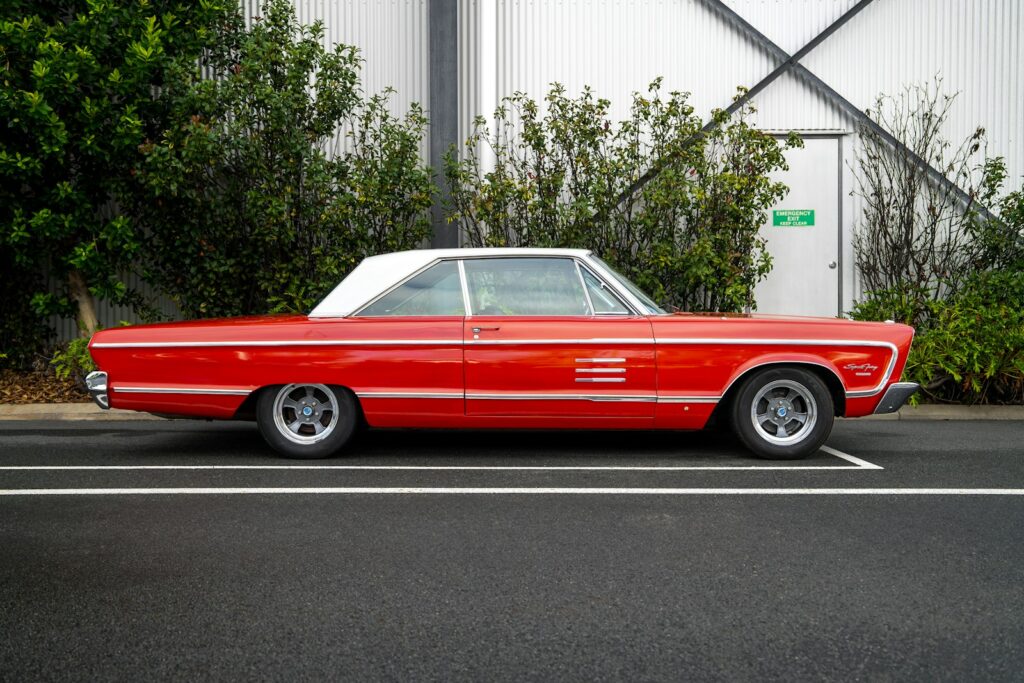
The 1970 Plymouth Sport Fury GT did not shout about its performance the way a ’Cuda or Road Runner did, but its hardware was pure muscle. Under the hood sat a 7.2L Super Commando V8, listed in period specs as part of the Plymouth Sport Fury GT Specs, with the kind of big-block torque that could shove a full-size coupe down the highway with ease. Period figures for the Engine and Horsepowe put it squarely in the same conversation as better known street bruisers, and the car was capable of a top speed of around 130 mph, numbers that make its low profile in enthusiast circles hard to justify. That combination of size, speed, and subtle styling is exactly why many Mopar diehards now single it out as the brand’s most slept-on performance car from the era, a machine that hid its intent behind a long hood and formal roofline rather than billboard stripes.
Rarity only adds to the Sport Fury GT’s mystique. Built in small numbers and overshadowed even in its own showroom by flashier intermediates, it never had the chance to build the mythology that clings to other Mopar nameplates. Modern coverage points out that while the 1970 Sport Fury GT is hard to beat when it comes to rarity and price, it still trades for less than some smaller and slower cars that simply have more name recognition. That gap between what the car delivers and what the market thinks it is worth has turned it into a cult favorite, with enthusiasts now combing listings for clean examples of the Sport Fury GT before the rest of the hobby catches on.
How It Stacks Up Against Other Overlooked Mopars
Calling any one car the most underrated Mopar means measuring it against a deep bench of sleepers, and the Sport Fury GT has serious competition. One of the strongest challengers is the 1971 Plymouth GTX, particularly in 440+6 form, which period observers agree Was Seriously Underrated For Its Time. By 1971, the GTX had already been around for a few years, and that familiarity, combined with rising insurance costs, dulled its impact even as the 440 package remained brutally effective. The fact that a car with a 440 cubic inch multi-carb big-block and a reputation for straight-line violence could fade into the background shows just how crowded the early seventies performance scene really was.
Move a step down in size and price and the story repeats. The Plymouth Duster 340 Is A Criminally Underrated Muscle Car in its own right, a compact coupe that delivered big performance on a budget and helped define Mopar’s street image. Contemporary retrospectives on Mopar’s Cheap And Underrated ’70s Muscle Car scene point to the 1970 Plymouth Duster 340 as a car that punched well above its weight, hanging with more respected big-block muscle cars of the era while carrying a modest 340 cubic inch small-block. In the same breath, those looks back often nod to the Dodge Challenger R/T 383, another example of how a car with a 383 cubic inch engine and serious credentials can still be overshadowed by its own brand’s halo models. Even outside Plymouth and Dodge, lists of The Forgotten Greats in Underrated Muscle Cars That Deserve The Spotlight routinely highlight the 1966 Plymouth Belvedere Satellite as a Mopar M.V.P., proof that the brand’s back catalog is packed with sleepers that never quite got their due.
The Wider Underdog Club, From Dart GTS To Barn-find Fury
Zooming out even further, the Sport Fury GT shares DNA with a whole underdog club of Mopars that mixed real performance with relatively low-key styling. The Dodge Dart GTS is a perfect example. Its bold stripes and compact footprint gave it presence, but it still lived in the shadow of bigger nameplates. Enthusiasts now look back on the Dart GTS as a collector’s gem, a car whose combination of light weight and strong engines made it far more than just an economy car with decals. That same pattern shows up across the Mopar lineup, where cars that once served as practical transportation now carry serious credibility at shows and auctions.
More from Wilder Media Group: