
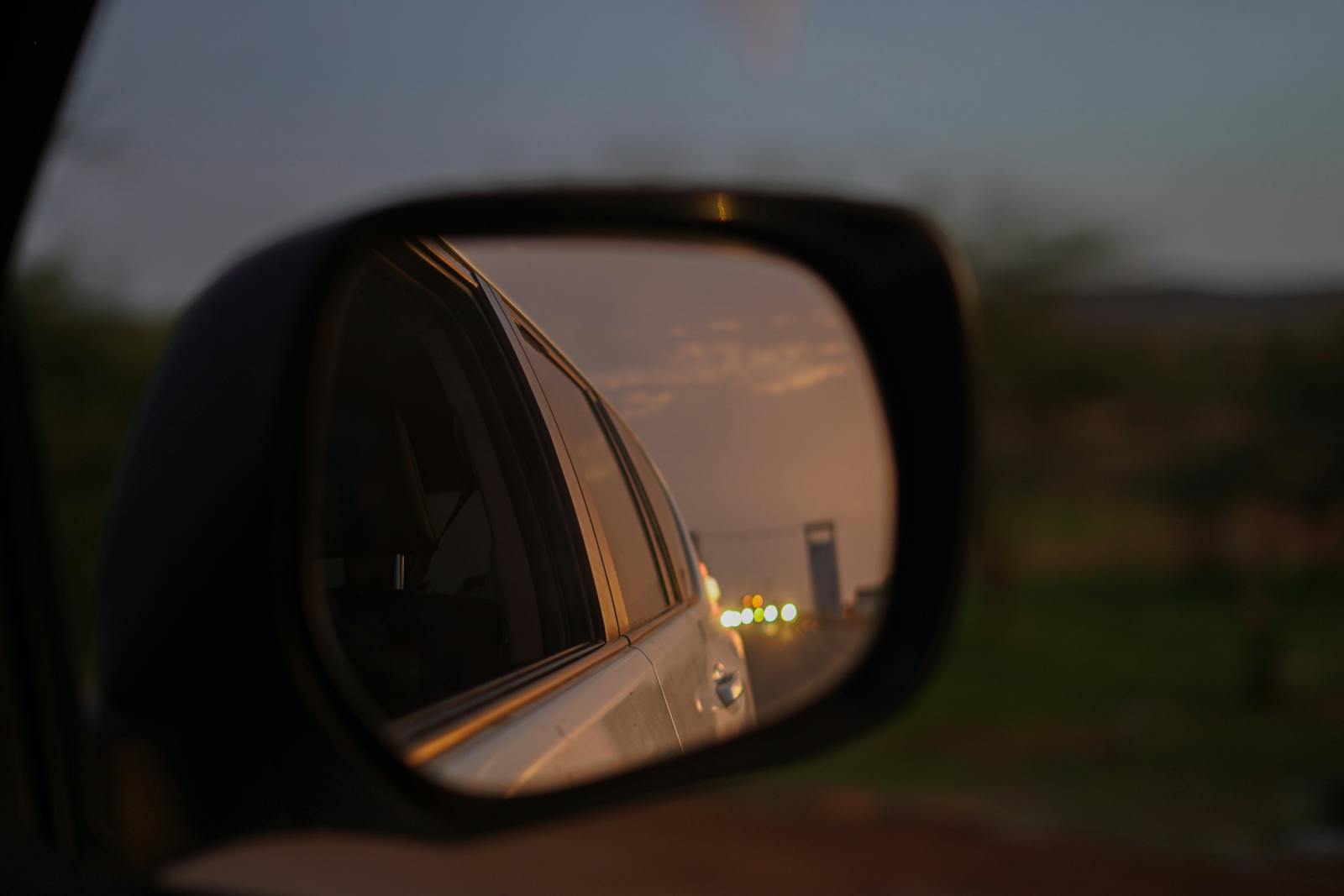

It started with one of those little driving moments you don’t think twice about: I drifted a bit inside my lane, corrected it, and kept going. A minute later, red and blue lights lit up the rearview mirror. The officer told me I’d been “drifting within my lane,” then followed it with a question that felt… oddly personal: “Where are you headed?”
When I answered, he nodded like he was filing it away, and said he was “checking for travel patterns.” Not checking my license first, not asking if I’d been drinking, not the usual script. Just my destination, my route, and whether I’d made any stops — like my evening had turned into a mini interview.
A stop that feels routine… until it doesn’t
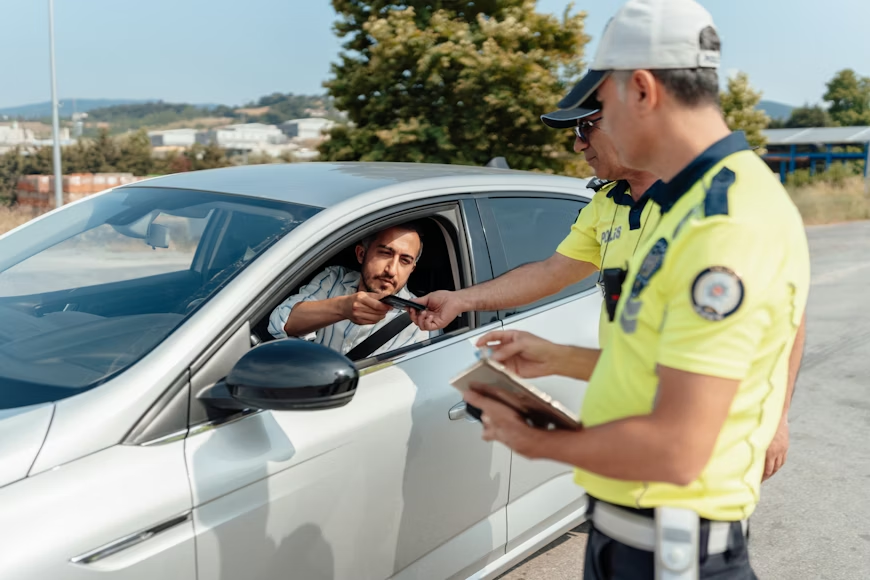
Most people know the basic traffic-stop rhythm: the reason for the stop, license and registration, maybe a warning or a ticket. So when an officer starts asking a bunch of questions that don’t seem connected to the driving issue, it can feel jarring. You’re sitting there thinking, “Did I accidentally sign up for a survey?”
“Travel patterns” is a phrase that pops up a lot in traffic enforcement and interdiction work. It can mean the officer is trying to see if your story makes sense—where you’re coming from, where you’re going, and whether you seem nervous or inconsistent. Sometimes it’s genuinely about safety or impaired driving; other times it’s an attempt to develop suspicion for a deeper search.
Is “drifting within your lane” even a valid reason to stop you?
This is where things get messy, because the answer depends on the state, the exact driving behavior, and what the officer observed. In many places, weaving or drifting can support a stop if it suggests impairment, distraction, or a violation of a lane-control law. But “within the lane” alone—without crossing lines or creating danger—can be a gray area.
Courts have split on this over the years. Some rulings say mild weaving, especially late at night, can justify a stop because it could indicate DUI. Others say a single, minor drift that never crosses a lane marker isn’t enough. Translation: the same little swerve can be “nothing” in one jurisdiction and “reasonable suspicion” in another.
What officers mean by “checking for travel patterns”
When an officer uses that phrase, they’re often doing what’s called “behavioral assessment.” They’re looking for inconsistencies (like you say you’re going to the airport but you’re driving away from it), overly detailed answers, vague answers, or changes in your demeanor. It’s not exactly scientific, but it’s widely used.
It’s also tied to drug-interdiction tactics on highways, where officers try to spot “indicators”: rental cars, out-of-state plates, fast food bags, luggage placement, and travel from or to certain cities. None of those things are illegal, of course. But they sometimes become pieces of a narrative an officer uses to justify asking for consent to search.
The part that makes people uneasy: where small talk turns into investigation
Here’s the truth: being asked where you’re going can feel harmless… until you realize you’re being evaluated. People get nervous during traffic stops even when they’ve done nothing wrong—because, well, it’s a traffic stop. And nervousness is one of those “indicators” that can be interpreted in whatever way fits the moment.
That’s why “travel pattern” questions can rub drivers the wrong way. You’re not being accused of anything outright, but you can feel the stop stretching out, like you’re waiting for the real reason to appear. And when the original reason is something as vague as drifting within your lane, it’s hard not to wonder if the stop was just a pretext.
Your rights during the Q&A (and the part most people forget)
In the U.S., you generally have to provide identification, registration, and proof of insurance when requested. You also have to comply with lawful orders, like stepping out of the car if directed. But questions like “Where are you headed?” and “What were you doing tonight?” are usually not required information.
That doesn’t mean refusing to answer always makes the stop easier—sometimes it escalates the awkwardness. But you can keep it polite and simple: “I’d rather not discuss my travel, officer.” If they ask to search your car, you can say, “I don’t consent to any searches,” and repeat it calmly if needed.
Consent searches: the big pivot point in stops like this
Often, the “travel patterns” line is a bridge to the next question: “Do you mind if I take a look in the vehicle?” If you say yes, you’ve given consent, and that can remove a lot of legal hurdles for the officer. People agree all the time because they think refusing sounds guilty, or because they just want to get back on the road.
But consent isn’t required. If an officer has probable cause (like the smell of drugs, or something clearly illegal in plain view), that’s different. Yet without that, consent is frequently the easiest route to a search—which is why you’ll hear it asked so casually, like it’s no bigger deal than checking your tire pressure.
So what should you do if this happens to you?
First, keep your cool and keep your hands visible. A calm voice and steady movements help the stop stay boring, which is the goal. You can answer basic identifying questions and still decline to chat about your evening.
If you want a practical script, try something like: “Officer, I’m happy to provide my license and registration. I’d prefer not to answer additional questions.” If they push for consent to search: “I don’t consent to searches.” No speeches, no sarcasm—just simple, repeatable sentences.
And if you feel like the stop was unjustified, the roadside isn’t the place to litigate it. Get through the stop safely, then write down everything you remember: time, location, what was said, whether you crossed any lane lines, and whether there was dashcam or bodycam. If you’re considering a complaint or legal challenge, those details matter a lot more than a heated argument on the shoulder of the road.
Why “travel patterns” is suddenly everywhere
Traffic stops have become one of the main points where everyday driving intersects with broader policing strategies. Highways are treated like pipelines for everything from impaired driving enforcement to drug interdiction to catching people with warrants. The result is that a stop for a minor driving issue can quickly turn into a wider fishing expedition—sometimes justified, sometimes questionable.
For drivers, that’s a weird adjustment. You think you’re getting pulled over for a lane drift, but you’re being assessed like you’re applying for a loan: destination, timeline, consistency, confidence. And while officers may see it as smart policing, it can feel to regular people like being investigated for having the audacity to go somewhere.
The bottom line
“Drifting within your lane” can be a real safety concern, but it can also be a vague, flexible reason that opens the door to more questions. “Checking for travel patterns” is often code for probing—seeing if anything about your story gives them a reason to dig deeper. Knowing that doesn’t mean you have to be combative; it just means you can be prepared.
The best outcome is always the boring one: stay polite, keep it brief, and don’t volunteer extra information you don’t have to. And if the whole interaction leaves you thinking, “That was odd,” you’re not alone. Plenty of drivers are starting to notice that the hardest part of a traffic stop isn’t the ticket—it’s the interrogation disguised as small talk.
More from Steel Horse Rides: