
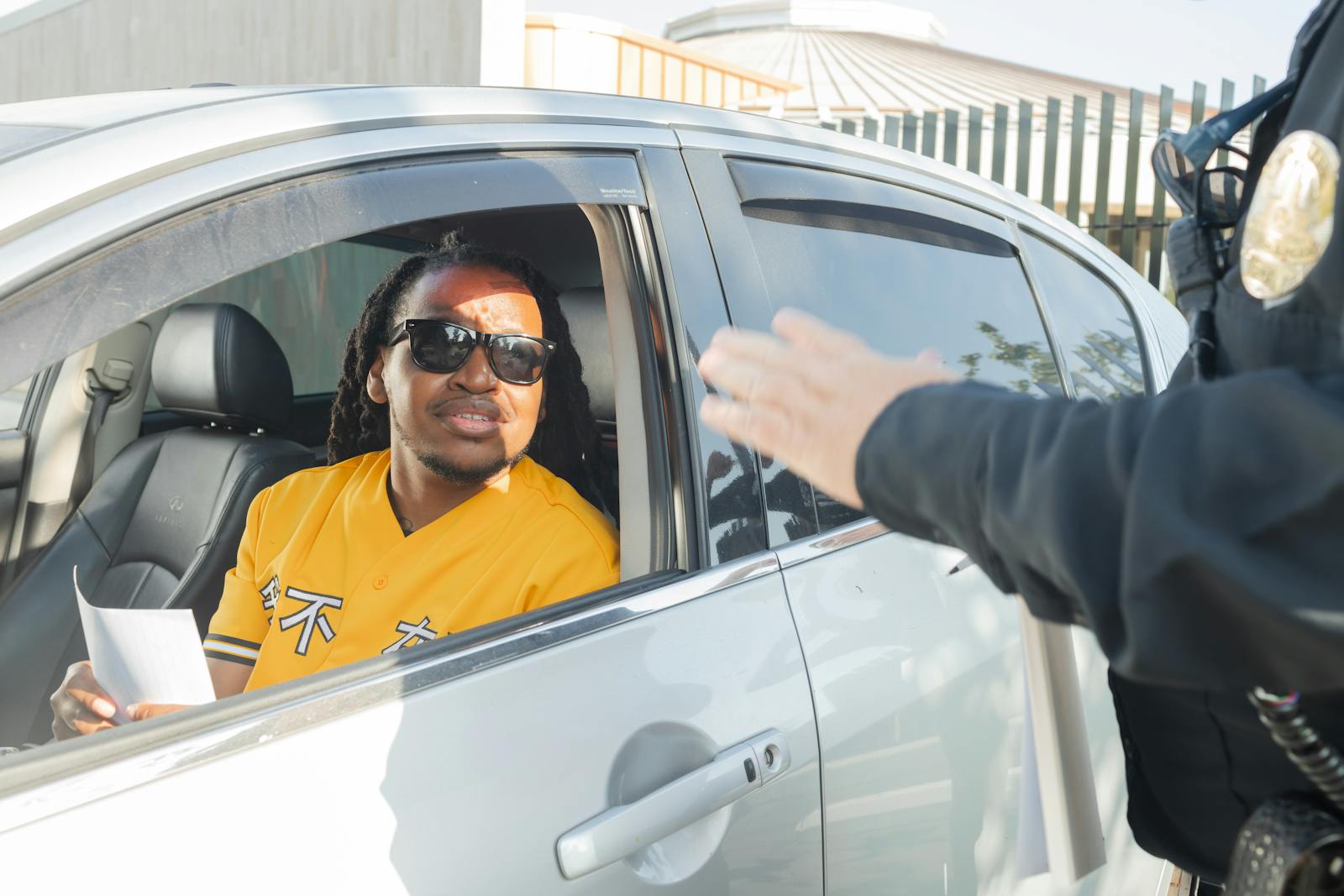

It’s one of those moments that feels small while it’s happening, then keeps replaying in your head later—usually while you’re brushing your teeth or staring at the ceiling at 2 a.m. You’re pulled over, you hand over your license and registration, you do the polite nodding thing, and then you hear the magic words: “You’re free to go.” Relief, instant. Shoulders drop, brain unclenches, and you start thinking about getting back to your day.
And then—just as you’re about to pull away—the officer reappears at your window. Same calm tone, same neutral face, and the question that changes the whole vibe: “Hey, would you mind answering a few more questions?” It’s framed like a favor, like you’re helping someone find a lost dog. But it doesn’t feel like a favor when the cruiser is still behind you and your heart rate is doing a little jazz riff.
A “Friendly” Follow-Up That’s Becoming Pretty Common
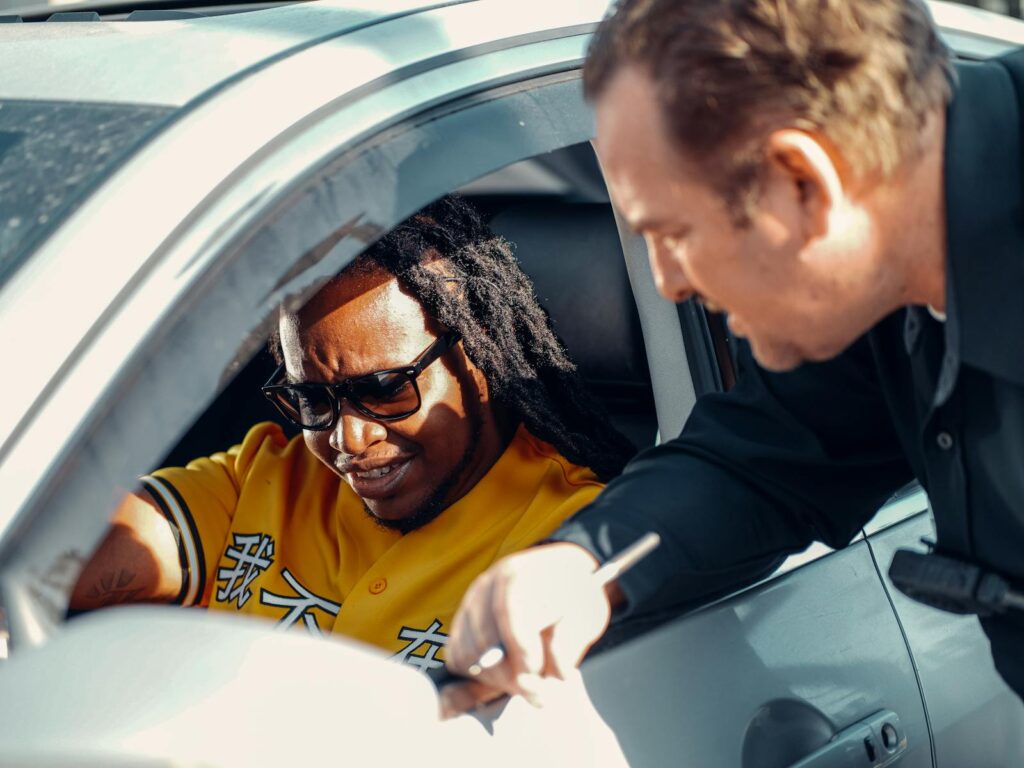
That exact scenario—being told you’re free to go and then being re-engaged—has become a familiar detail in traffic stop stories across the country. Civil rights attorneys and legal scholars say it often sits in a gray zone of police-citizen encounters: the stop is supposedly over, but the pressure of the moment doesn’t exactly vanish just because someone said the words. A lot of people don’t feel free to do anything but keep cooperating.
Law enforcement trainers sometimes describe it as a “consensual encounter” after the official detention ends. The theory is simple: once you’re free to go, the officer can ask more questions, and you can choose to answer—or not. The reality, as any human who has ever been nervous in a car with flashing lights can tell you, is messier.
Why Officers Circle Back After Saying “Free to Go”
There are plenty of reasons an officer might return. Sometimes it’s totally mundane—forgot to hand back paperwork, remembered a quick clarification, or realized they didn’t explain the warning. But in many cases, the follow-up is investigative: questions about where you’re headed, whether there’s anything illegal in the car, or whether you’d consent to a search.
From a policing standpoint, it’s not hard to see the appeal. The driver is already engaged, already a little rattled, and more likely to comply quickly just to end the interaction. And if the driver agrees to keep talking or agrees to a search, the officer may not need the higher legal standard that would apply during an actual detention.
Consent Sounds Simple… Until You’re the One Being Asked
Consent is the key word here, and it’s doing a lot of heavy lifting. Courts often look at whether a “reasonable person” would have felt free to leave. That phrase—“reasonable person”—is doing its own heavy lifting, too, because the reasonable-person version of you is apparently calm, well-rested, and not sitting under a spotlight on the side of a road.
In practice, people say yes because it feels safer than saying no. Or because they assume saying no will make them look guilty. Or because they think they don’t have a choice. And sometimes they’re right to worry about escalation—not necessarily in a dramatic way, but in the everyday way of “this could turn into a hassle, and I just want to get home.”
What the Law Generally Says (And Why It Still Feels Confusing)
In many jurisdictions, once an officer has concluded the purpose of the traffic stop—issued a ticket, given a warning, handled the reason you were pulled over—they’re supposed to let you go without extending the detention. But they can still initiate a separate, voluntary conversation as long as you’re actually free to decline and leave. That’s the line: detention versus voluntary contact.
The confusing part is that the line often depends on tiny details. Was your ID already returned? Were you blocked in by the patrol car? Did the officer’s tone imply you could refuse? Were there commands mixed in with “requests”? Those details can matter later, but in the moment, you’re not exactly taking mental notes like you’re preparing a case brief.
The Subtle Pressure of a Badge at Your Window
Even if the encounter is legally “consensual,” it can still feel like you’re trapped in a social script. Most of us are trained from childhood to be cooperative with authority figures, especially ones carrying a gun and standing on the shoulder of a highway. Add the natural stress of being stopped, and “Would you mind…?” can land more like “This is what we’re doing now.”
Experts who study police interactions point out that compliance often comes from context rather than true choice. You’re in a confined space, you’re being observed, and the power imbalance is obvious. And because traffic stops can be unpredictable, people tend to choose the option that seems least likely to cause friction.
If This Happens to You, What Can You Say Without Making It Weird?
Here’s the tricky balance: you want to protect your rights, but you also want to keep things calm and safe. A simple, respectful question can help clarify the situation: “Am I still free to go?” If the answer is yes, you can follow up with, “Then I’d like to leave, thank you,” and start preparing to depart.
If the officer asks to search your vehicle, you can say, “I don’t consent to searches.” That’s a clear sentence, and it doesn’t require an explanation. You don’t need to argue, you don’t need to justify, and you definitely don’t need to fill silence with nervous chatter—silence is underrated.
What Not to Do: The Two Common Mistakes
First, don’t assume that being polite means you have to be talkative. People accidentally volunteer information all the time, and once it’s said, it’s said. If the questions start wandering into “Where are you coming from?” or “Do you have anything illegal in the car?” you’re allowed to keep your answers brief—or decline to answer at all.
Second, don’t turn it into a roadside debate about constitutional law. That’s not because you’re wrong to care—it’s because the side of the road is a terrible place to win an argument. If something feels off, the safest move is usually to stay calm, comply with lawful orders, and handle disputes later through the proper channels.
Why This Little Moment Has a Big Impact
On paper, the difference between “detained” and “free to go” looks neat and orderly. In real life, that moment when the officer comes back to your window blurs everything. It can leave you feeling like you did something wrong even if you didn’t, or like your freedom is conditional on staying agreeable.
And honestly, it’s hard not to wonder: if I’m truly free to go, why does it feel like I’m being tested? That’s the question a lot of people walk away with. The best case is that it’s a harmless follow-up and you’re on your way; the worst case is that a casual “mind if I ask…” becomes the start of a much bigger ordeal.
The Bottom Line
If an officer tells you you’re free to go and then returns with more questions, you’re not imagining the weirdness. That scenario sits right at the intersection of legal theory and human psychology, where “voluntary” doesn’t always feel voluntary. Knowing a couple of calm phrases—“Am I free to go?” and “I don’t consent to searches”—can make a big difference.
Mostly, it’s about remembering that you can be respectful and still have boundaries. You can be cooperative without oversharing. And you can leave a conversation—especially one that supposedly ended—without feeling like you’ve done something wrong.
More from Steel Horse Rides: