
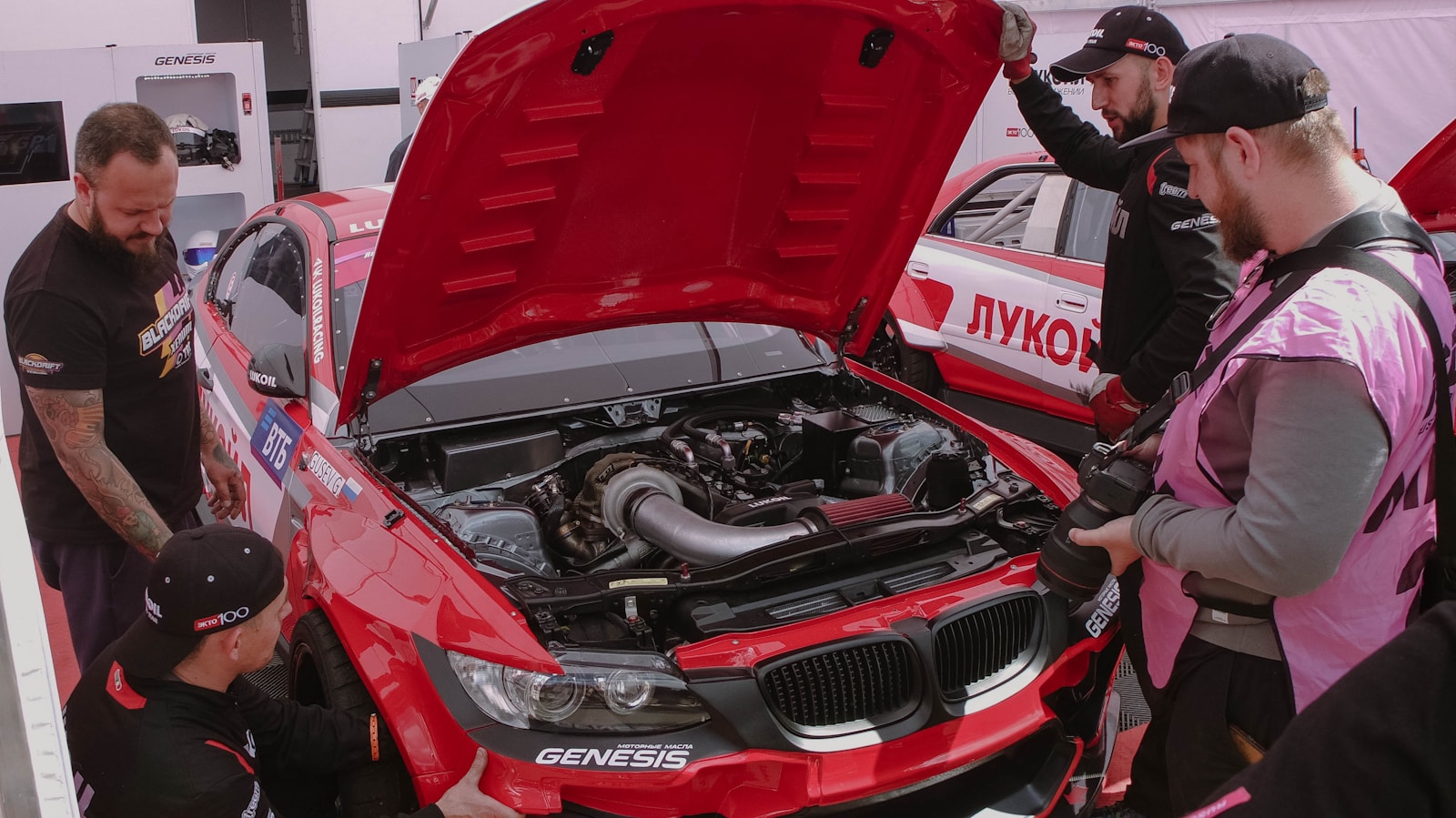

As automotive technology advances at a rapid pace, many car enthusiasts and everyday drivers alike find themselves tempted to chase the latest and greatest features. While cutting-edge technology can enhance safety, convenience, and driving pleasure, it’s important to consider the real costs associated with these upgrades. Below are some key factors to keep in mind before diving headfirst into the world of modern car tech.
1. Depreciation Hits Hard
When you invest in a vehicle with the latest technology, you’re often paying a premium for those features. However, as new advancements roll out, your car can lose its value much faster than a more basic model. The moment you drive off the lot, the depreciation sets in, and tech-laden vehicles tend to lose their worth quicker due to the constant evolution of technology.
This depreciation can be particularly harsh for electric vehicles and hybrids, where the tech becomes outdated rapidly. If you’re not planning on keeping your car for the long haul, consider how much value you’ll actually retain with all those shiny new gadgets.
2. Repair and Maintenance Costs
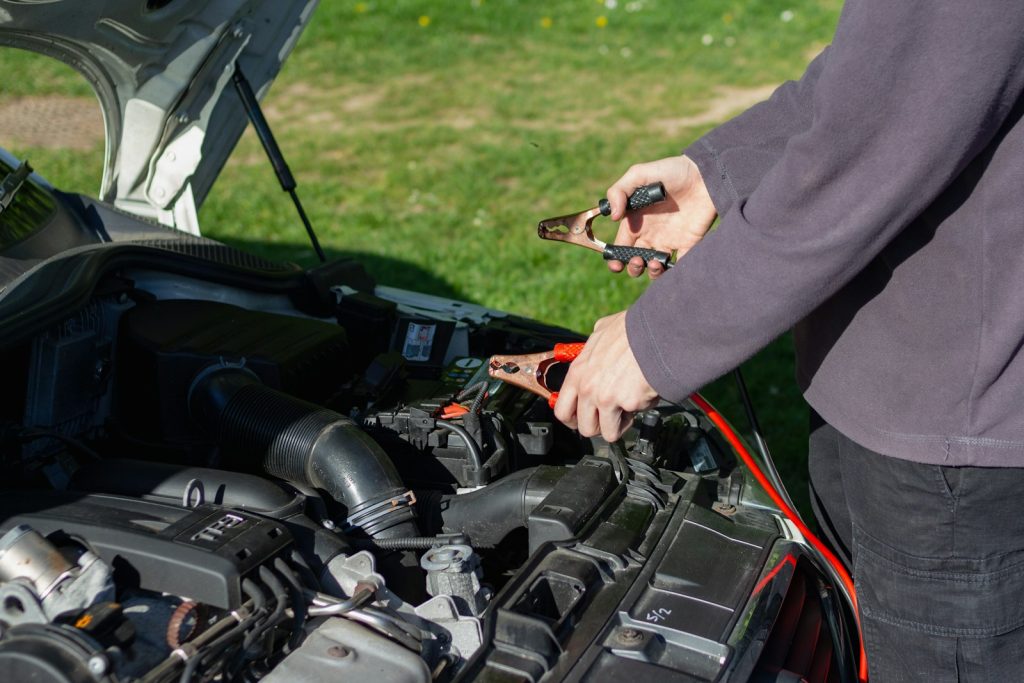
With every new technological advancement comes a new set of potential issues. Advanced driver-assistance systems, for example, rely on a complex network of sensors that can malfunction. Repairing these systems can be significantly more expensive than fixing traditional mechanical parts, putting a dent in your wallet.
Moreover, specialized training is often required for mechanics to diagnose and repair these advanced systems. This can lead to higher labor rates at the shop, increasing your overall maintenance costs. It’s essential to weigh the benefits of new tech against the potential for increased long-term expenses.
3. Insurance Premiums on the Rise
Insurance companies frequently adjust their rates based on the type of technology in your vehicle. Cars equipped with advanced safety features might seem like they would lower your premiums, but the reality can be quite different. High-tech components can be costly to repair, which can lead to higher insurance rates.
<pIt’s not uncommon for drivers to find that their insurance premiums increase once they’ve upgraded to a tech-heavy vehicle. Be sure to shop around and get quotes before making the switch, as these costs can add up quickly over time.
4. Learning Curve and Usability Issues
New car technology is not always user-friendly. Integrating advanced infotainment systems, autonomous driving features, and connectivity options can require a steep learning curve. Not everyone is comfortable with technology, which can lead to frustration rather than enjoyment.
Additionally, as software updates roll out, features can change, leading to confusion over time. If you prefer simplicity and ease of use, you may want to reconsider whether all that tech is worth the hassle.
5. Battery and Component Lifespan
For electric vehicles, the latest battery technology can be a double-edged sword. While newer batteries may offer better performance, they also come with a limited lifespan and potential replacement costs that can be staggering. It’s essential to consider how long you plan to keep the vehicle and the future costs of battery replacement.
Moreover, other components in tech-heavy vehicles may also be more susceptible to wear and tear. Be prepared for potential replacement costs that could arise sooner than expected, adding to your total expense.
6. Environmental Impact
Chasing the latest car tech isn’t just a financial commitment; it also has environmental implications. Manufacturing new vehicles, especially those with advanced technologies, often leads to increased resource consumption and waste. The environmental footprint of constantly upgrading can be significant.
Considering the life cycle of your vehicle, including its production, operation, and eventual disposal, is crucial. Opting for a more sustainable approach, such as maintaining an existing vehicle, can often be more environmentally friendly than pursuing the latest tech.
In summary, while the allure of cutting-edge car technology is undeniable, it’s essential to look beyond the immediate benefits and assess the long-term costs. From depreciation and repair expenses to insurance rates and environmental impacts, the real cost of chasing the latest car tech can be substantial. Make informed decisions that align with both your financial situation and driving needs.
More from Steel Horse Rides: