

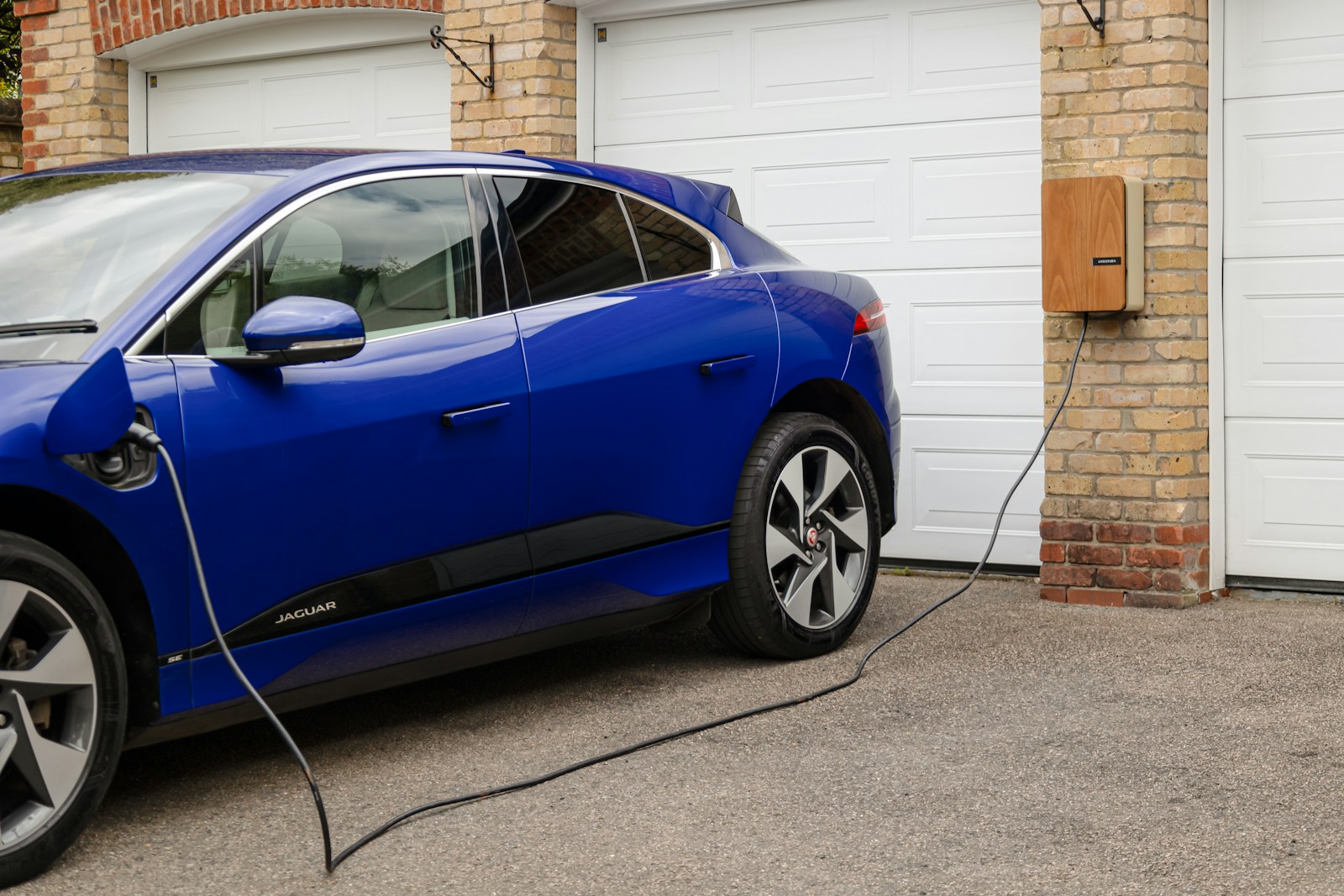
The rising popularity of electric vehicles (EVs) has led many consumers to believe that these environmentally friendly options offer significant savings in the long run. However, hidden costs associated with EV ownership—including insurance premiums, battery replacement, and charging infrastructure—are often overlooked, impacting the overall affordability for potential buyers. Understanding these costs is crucial for consumers considering a shift to electric vehicles.
Insurance Premiums: A Hidden Expense
One significant but frequently underestimated cost of owning an EV is insurance. According to a 2023 report from the Insurance Institute for Highway Safety, the average insurance premium for electric vehicles is approximately 20% higher than that for conventional gasoline-powered cars. For example, insuring a 2023 Tesla Model 3 can cost around $1,800 per year, compared to about $1,500 for a 2023 Honda Accord. The higher premiums are largely attributed to the higher repair costs and the increased value of EVs, making them more expensive to insure.
Battery Replacement Costs
Another critical aspect of EV ownership is the cost of battery replacement. Most electric vehicles come with an 8-year or 100,000-mile warranty on the battery, but once that period expires, owners may face substantial expenses. The average cost to replace an EV battery ranges from $5,000 to $15,000, depending on the make and model. For instance, a 2020 Nissan Leaf’s battery replacement can exceed $7,000, which is a significant financial burden that can catch owners off guard once their warranty period ends.
Charging Infrastructure: Installation and Costs
While many EV owners benefit from charging at home, the installation of a Level 2 home charging station can be a considerable upfront cost. Installation fees can vary widely but typically range from $800 to $2,000, depending on the complexity of the installation and local regulations. In addition to installation costs, homeowners may also experience increased electricity bills due to the additional charging, which can add an average of $30 to $60 per month to energy expenses.
Depreciation and Resale Value
Depreciation is another factor that affects the overall cost of owning an electric vehicle. EVs tend to depreciate faster than traditional vehicles, primarily due to the rapid advancements in technology and battery efficiency. A 2021 study by Kelley Blue Book found that electric vehicles can lose up to 50% of their value in the first three years, compared to approximately 40% for gasoline cars. This steep depreciation can result in significant losses when it comes time to sell or trade in the vehicle.
Maintenance Costs: The Good and the Bad
While electric vehicles generally require less maintenance than traditional vehicles—thanks to fewer moving parts and no oil changes—there are still costs associated with maintenance that can add up over time. Brake pads may wear out faster due to regenerative braking systems, and specialized tire sets for EVs can be pricier. Moreover, while some EV owners may spend less on routine maintenance, unexpected repairs can be costly, particularly with high-tech components unique to electric vehicles.
Environmental Costs: Battery Production and Disposal
Environmental concerns surrounding electric vehicles extend beyond their operation. The production of EV batteries involves significant resource extraction, including lithium, cobalt, and nickel, which can lead to environmental degradation and human rights issues in mining regions. Furthermore, the disposal of these batteries poses a challenge, as improper disposal can lead to toxic leaks into the environment, raising concerns about the long-term sustainability of electric vehicles as a green alternative.
Conclusion: Stay Informed Before Making the Switch
The costs of owning an electric vehicle encompass much more than the purchase price and fuel savings. Higher insurance premiums, potential battery replacement expenses, charging infrastructure installation, depreciation, and environmental impacts all contribute to the real cost of EV ownership. As electric vehicles continue to gain traction in the automotive market, consumers must weigh these factors carefully before making a transition.
For those considering an electric vehicle, it’s essential to conduct thorough research and budget for these hidden expenses. Understanding the full financial picture will ensure that the choice to go electric aligns with your financial situation and lifestyle. Don’t overlook these critical factors—be informed and make the best decision for your future and the environment.