


The Scenario
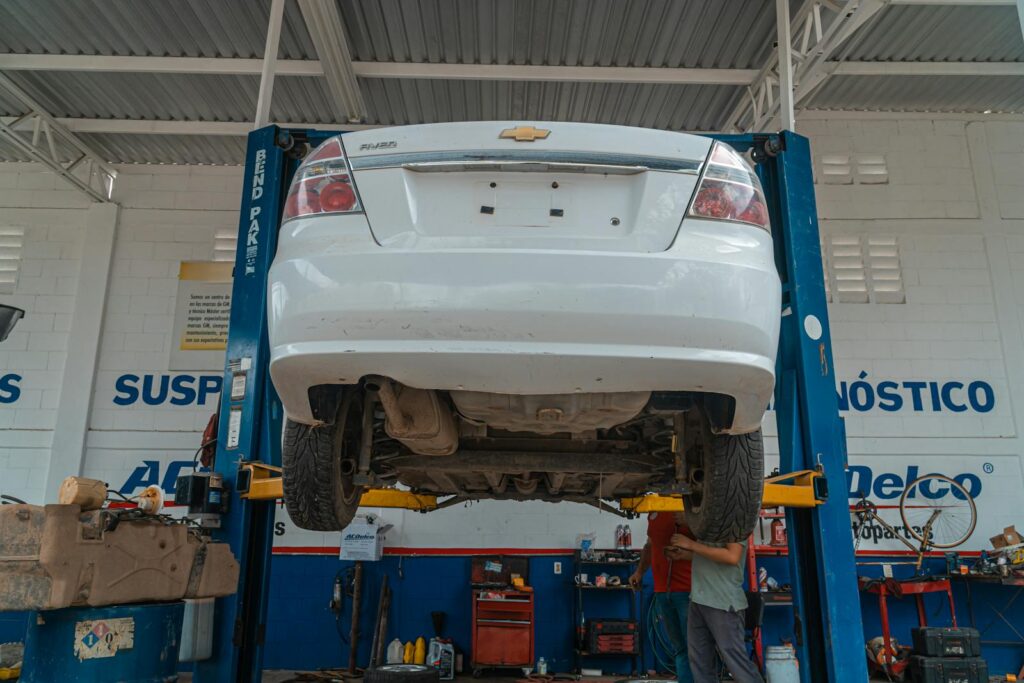
So, you took your car in for what you thought was a straightforward repair, maybe a simple brake pad replacement or an oil change. You got the initial estimate, felt good about it, and then—boom!—the mechanic calls you halfway through, and guess what? The repair estimate doubled. Your heart sinks, and suddenly, you’re left wondering, “Am I required to pay this?”
Understanding the Estimate
First off, let’s break down what an estimate really is. Think of it as a ballpark figure, a friendly guess that gives you an idea of what you might be spending. It’s not set in stone, and that’s where things can get a bit murky. Estimates can change based on what the mechanic discovers once they pop the hood and get a closer look. You might be thinking, “Well, that’s not fair!” but unfortunately, it’s part of the game.
When Do You Have to Pay the New Estimate?
Here’s the thing: if you signed a contract or gave verbal approval for the initial estimate, that’s your baseline. But if the mechanic finds additional issues that require immediate attention—say, a corroded brake line or a transmission problem—you might have to shell out more than you anticipated. Most reputable shops will call you first to discuss these newfound issues before they proceed with the work. If they didn’t, you may have some grounds to negotiate.
Communication is Key
Let’s talk about communication. It’s vital in any relationship—especially between you and your mechanic! If they didn’t reach out to discuss the increased costs, you might have a case. You could argue that you weren’t informed, and it’s a bit like going out for coffee and finding out halfway through that your friend has suddenly ordered a whole brunch spread without asking if you’re cool with it. Not cool, right?
Check Your Rights
Now, depending on where you live, consumer protection laws might also come into play. Some states have specific regulations regarding auto repair estimates that require mechanics to get your consent before going beyond the original quote. It’s worth a quick Google search or a chat with your local consumer protection agency to see what your options are.
What to Do Next
If you find yourself in this situation, don’t panic. Start by having a calm conversation with the mechanic. Ask them to explain the additional costs and why they were necessary. A good mechanic will appreciate your interest and be happy to break it down for you. It’s a chance to learn something new—like why your car suddenly needs an engine overhaul when you only wanted to replace wiper blades!
Negotiating the Bill
Once you’ve got all the info, don’t be afraid to negotiate. If the repair shop didn’t inform you of the rising costs, gently remind them of that. You could say something like, “Hey, I wasn’t expecting this increase. Can we work something out?” Sometimes, they’ll agree to lower the bill or even give you a discount for being a loyal customer. It never hurts to ask!
Future Prevention
Looking ahead, how can you avoid this pickle in the future? One word: clarity. When you take your vehicle in for repairs, ask for a detailed breakdown of potential costs up front. You could say, “What’s the worst-case scenario?” This way, you’ll have a better idea of what you’re getting into. And don’t hesitate to ask questions! It’s your car and your money, after all.
Final Thoughts
At the end of the day, it comes down to trust and communication. A good mechanic values your business and will want to make sure you’re comfortable with the costs. If you feel like you’re being taken for a ride (pun intended), it might be time to look for a different garage. Remember, you have every right to understand what you’re paying for, and a trustworthy mechanic will appreciate that.
So, to wrap it up: if your repair estimate doubles, it doesn’t necessarily mean you have to pay the full amount without a fight. Approach the situation with curiosity and a willingness to communicate, and you might just find a solution that leaves both you and your wallet feeling a little lighter. Happy driving!
More from Steel Horse Rides: