
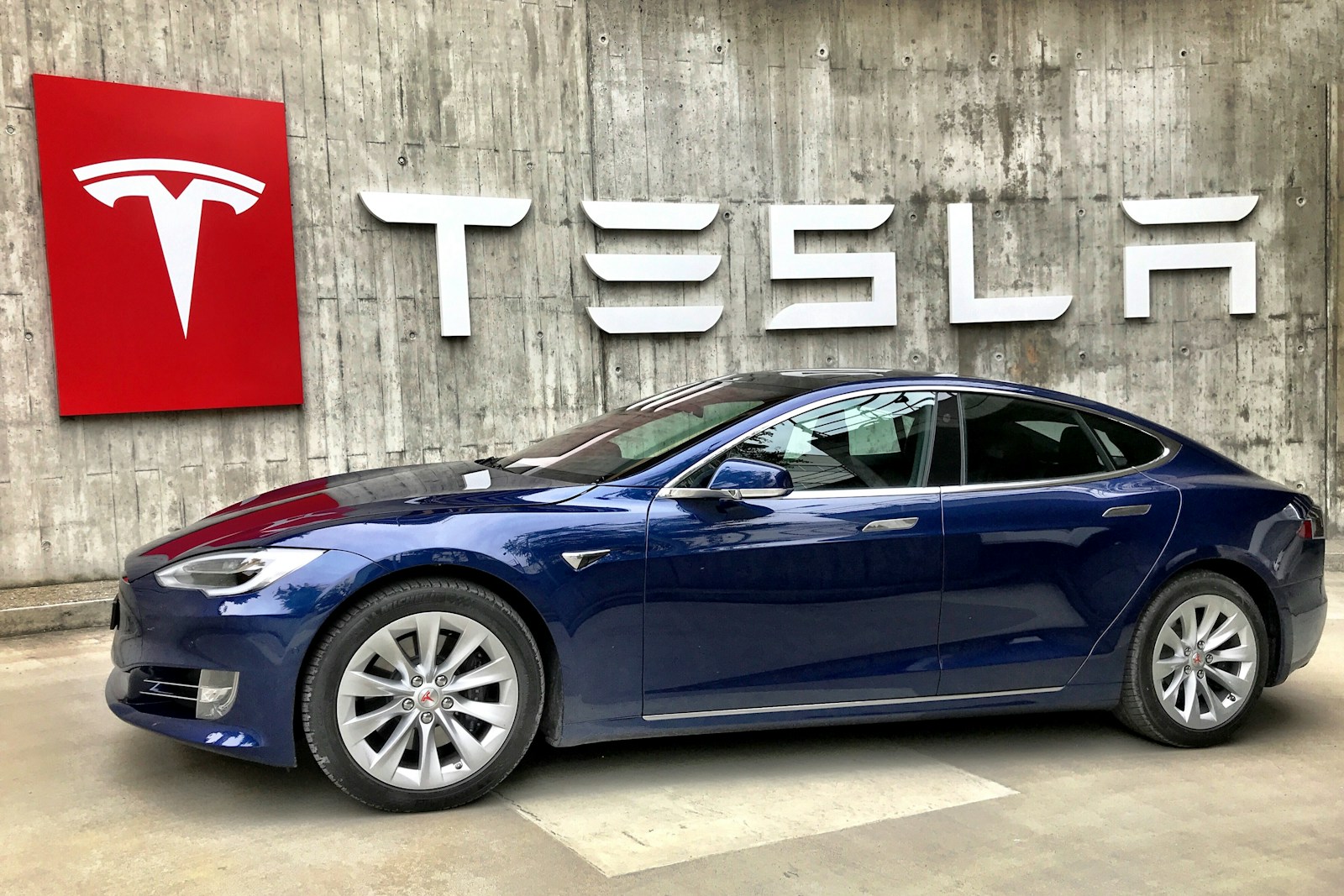

The Tesla Roadster was supposed to revolutionize the supercar world when it was unveiled back in 2017, with promises of mind-bending acceleration and a 2020 release date. Fast forward to March 2026, and the car still hasn’t arrived. Elon Musk now says the Roadster unveiling has been delayed to late April 2026, marking yet another postponement in a nearly decade-long saga that’s testing even the most dedicated Tesla enthusiasts.
The latest delay comes after Tesla has been accepting $50,000 deposits since 2017, with some early reservation holders putting down as much as $250,000 for the Founder’s Series. While Musk continues to tease features like rocket thrusters and “James Bond-level tech,” the constant pushbacks are raising questions about whether Tesla is spread too thin across projects like the Cybertruck and upcoming Robotaxi.
What makes this delay particularly notable is the shift in tone from fans and automotive media alike. Where there was once excitement and patience, there’s now skepticism about whether the Roadster will ever match the hype—or if it even matters anymore in a market where competitors like Rimac and Lucid have already delivered high-performance electric supercars.
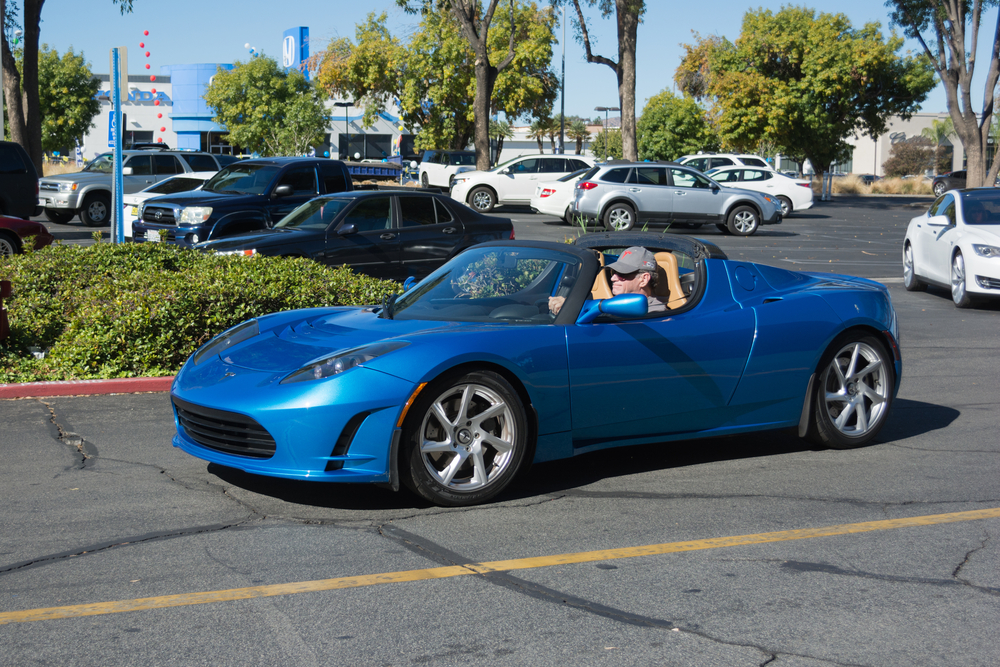
What’s Really Going On With the Tesla Roadster’s Latest Delay?
The Tesla Roadster unveiling has been pushed to late April 2026, adding yet another chapter to a saga that began nearly a decade ago. Elon Musk’s latest announcement marks the continuation of a pattern that has left reservation holders wondering when—or if—they’ll ever see the car.
A Timeline of Broken Promises and New Reveal Dates
Tesla first unveiled the second-generation Tesla Roadster in 2017 during the Semi truck reveal event. The company promised production would begin in 2020, with reservations opening immediately at $50,000 for standard models and $250,000 for the limited Founders Series.
That 2020 target came and went without a production car. The delays continued year after year, with Musk offering various new timelines at shareholder meetings and on social media.
At Tesla’s November 2025 shareholder meeting, Musk announced an April 1, 2026 reveal date, which raised eyebrows given the April Fools’ Day timing. He even joked that he had “some deniability” if things didn’t pan out because he could claim he was kidding.
Now, just months later, the roadster unveil has been delayed again to late April, with Musk saying it will happen “probably” and “hopefully” next month. Production isn’t expected until 12 to 18 months after the reveal, meaning the car won’t hit roads before 2027 at the earliest.
Tesla’s Official Reasons for Pushing Back the Roadster
Tesla and Musk have offered limited explanations for the ongoing delays. At the November 2025 shareholder meeting, Musk hinted that the next-gen Tesla Roadster would feature significantly different technology than initially shown, including what he described as “crazier” tech than all James Bond vehicles combined.
The CEO has repeatedly suggested the car might incorporate some form of flight capability, though no concrete details have been provided. He’s also promised the demo will be “the most exciting, whether it works or not, demo ever of any product.”
Behind the scenes, the company’s focus has shifted dramatically. Tesla’s push toward autonomous vehicles and the robotaxi project appears to have consumed much of the engineering resources that might have gone toward the Roadster. The car originally promised supercar-level acceleration with a 1.1-second 0-60 mph time, 620 miles of range, and seating for four.
The Impact of Repeated Delays on Loyal Fans and Buyers
The constant postponements have taken a toll on even the most dedicated Tesla supporters. Some high-profile reservation holders have publicly canceled their orders, including tech YouTuber Marques Brownlee and OpenAI CEO Sam Altman.
These buyers have been waiting since 2017 with their money tied up in deposits. Those who ordered the Founders Series put down the full $250,000 without ever knowing what options they’d actually receive. Tesla has removed pricing information from the Roadster’s website but continues accepting $50,000 deposits.
The repeated delays have created a credibility problem. Each new timeline feels less reliable than the last, and the vague language Musk uses—”probably,” “hopefully,” “tentatively”—doesn’t inspire confidence that late April will actually happen either.
Hype, Tech, and Competition: Should We Keep Waiting for Roadster 2?
The next-generation Roadster comes with extraordinary performance claims and some truly outlandish features, but the electric sports car landscape has changed dramatically since 2017. As competitors deliver real products and Tesla’s promises grow wilder, the question becomes whether the wait is still worth it.
The Wildest Promises: Rocket Thrusters, Flying Car Rumors, and SpaceX Package
Tesla hasn’t just promised a fast electric sports car. The company has teased a SpaceX Package that would include cold gas rocket thrusters positioned around the vehicle.
Musk has suggested these thrusters could improve acceleration, braking, and cornering performance in ways traditional automotive engineering can’t match. Some speculation has even extended to flying car capabilities, though Tesla hasn’t officially confirmed such plans.
The rocket thruster concept alone pushes the Roadster into territory no production car has entered. Whether regulators would even approve such a system for street use remains unclear. Musk himself recently commented that the demo will be exciting “whether it works or not,” according to reports about the unveiling deadline.
That kind of uncertainty around features announced years ago has left many wondering if the final product will deliver on these radical promises or quietly walk them back.
How the Roadster’s Specs Actually Stack Up (0-60 mph, Range, and More)
Tesla claims the Roadster will achieve a 0-60 mph time under 1.9 seconds, making it one of the quickest accelerating production vehicles ever built. The company has also targeted a 620-mile range and a top speed exceeding 250 mph.
Those numbers looked revolutionary in 2017. Nearly a decade later, they’re still impressive but less unprecedented as battery technology and electric powertrains have advanced across the industry.
The range target would make it one of the longest-range electric vehicles available, though that figure likely assumes ideal conditions. The acceleration claim remains exceptional, particularly for a vehicle Tesla says will maintain autonomous vehicle compatibility and full self-driving capabilities.
What remains unclear is whether Tesla can deliver all these specs simultaneously while keeping the car street-legal and commercially viable.
Competition Heats Up: Lucid Air Sapphire, Tesla Model S, and Other Rivals
The electric performance car market has evolved significantly since the Roadster’s 2017 reveal. The Lucid Air Sapphire now delivers 1,234 horsepower with 0-60 mph in 1.89 seconds—already matching or beating the Roadster’s claimed acceleration.
Tesla’s own Model S Plaid reaches 60 mph in under 2 seconds and costs around $90,000, far less than the Roadster’s expected $200,000+ price tag. Porsche, Mercedes, and BMW have all launched high-performance electric vehicles that deliver supercar performance today, not years from now.
The positioning as Tesla’s halo vehicle made sense when it had no real competition. Now customers can buy established luxury EVs with proven performance and immediate delivery.
By the time production potentially starts in 2027, the competitive landscape may look entirely different. Other manufacturers aren’t waiting, and neither are customers who want an electric sports car right now.
More from Steel Horse Rides:
- 13 Most Powerful Muscle Cars of All Time
- 13 Underrated JDM Cars That Deserve More Love
- 15 JDM Cars That Were Illegal in the U.S.
- 13 SUVs From the ’90s That Are Surprisingly Cool Today