

A parking mistake turns into a sprint
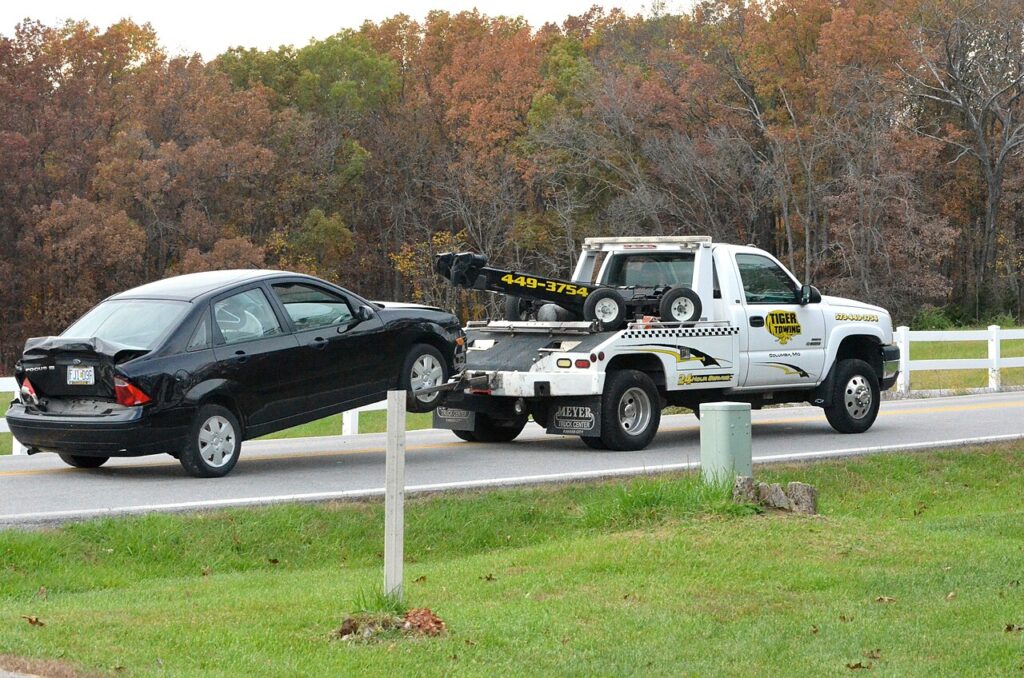
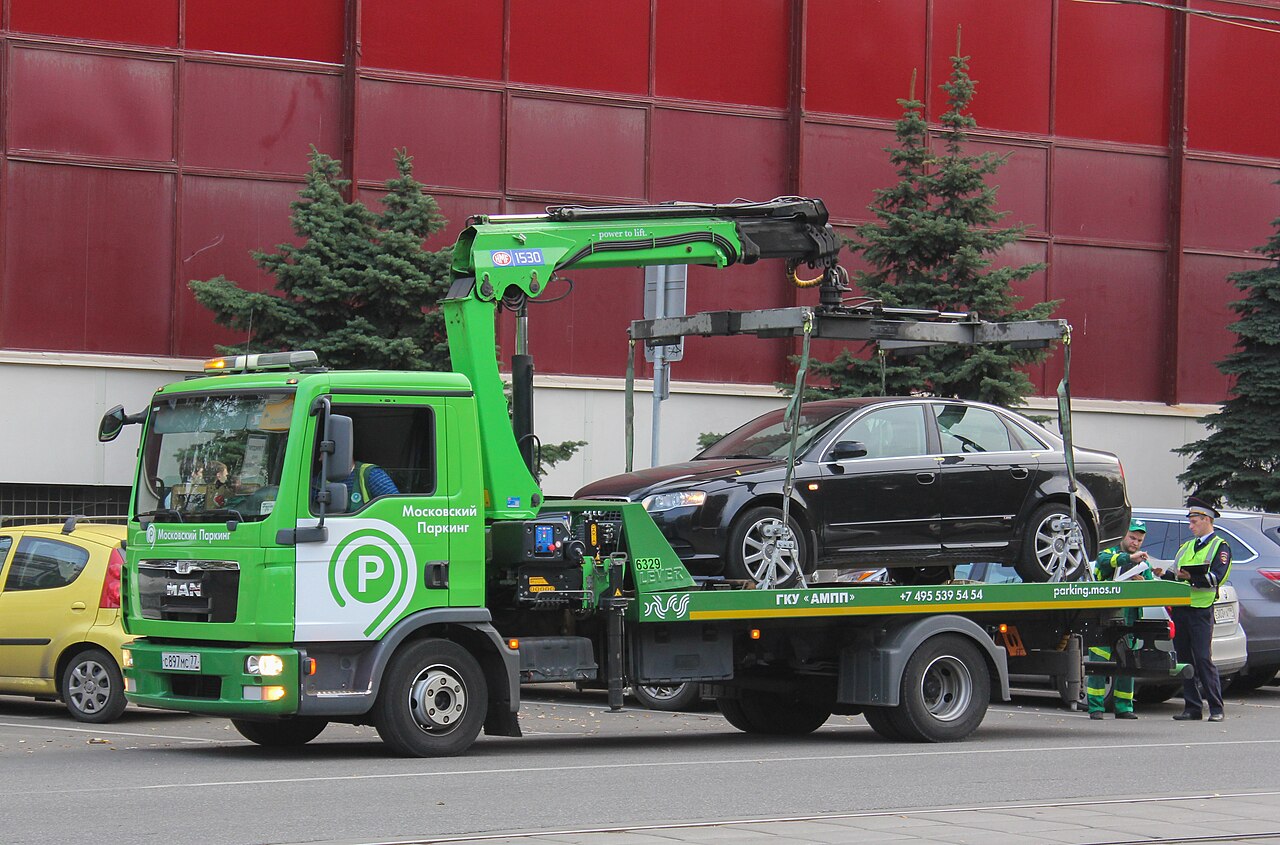
It’s the kind of moment that turns your heart into a drum solo: you round the corner and spot your car already hitched to a tow truck like it’s headed to a new life without you. The driver is in that calm, unbothered mode tow operators seem to perfect, while you’re doing the “wait, wait, wait” hand-flail that every city dweller learns eventually. You’re not proud of how fast you can run in sandals—until you have to be.
And then comes the line that’s practically folklore in towing disputes: once the wheels leave the ground, the fee is “non-negotiable.” If you’ve never heard it before, it lands like a gavel. If you have, it still feels like someone’s charging you rent for your own tires.
Why “once it’s lifted” is such a common rule
That phrase isn’t just a driver being dramatic—though it can definitely be delivered with theater. In a lot of places, tow companies operate under local ordinances or state laws that allow something called a “drop fee” or “hook-up fee” once they’ve begun the tow. The logic is that they’ve already done the work: dispatched a truck, connected the vehicle, and taken on the liability of moving it.
But here’s the part people miss: “once it’s lifted” isn’t always the legal trigger. Some jurisdictions define the fee based on being “hooked,” others based on being “in tow,” and some allow a fee even if the vehicle never leaves the spot. The result is the same street-level experience—your car is halfway in the air, and suddenly you’re negotiating with a rulebook you haven’t read.
Is it actually non-negotiable—or just said like it is?
In practice, many drivers will tell you it’s non-negotiable because that ends the conversation quickly and keeps things from getting heated. Sometimes they’re right, because their company policy matches local rules and they’re required to collect the posted fees. Sometimes it’s more like “non-negotiable unless my supervisor says otherwise,” which is a very different thing.
If you’re standing there, keys in hand, your best bet is to ask one calm, specific question: “What does the local ordinance say about a drop fee right now?” Not “Are you allowed to do this?” (which invites an argument), but “What’s the rule you’re following?” If they can point to signage, a printed rate sheet, or a city code reference, you’ve at least shifted the exchange from vibes to facts.
The signage problem: tiny signs, huge consequences
A lot of towing disputes start with signs that technically exist but don’t feel real until it’s too late. Maybe the sign is posted high up, turned sideways, or hiding behind a tree that’s living its best life. You park, you run inside “for just a minute,” and the tow truck appears as if summoned by the universe’s least-fun spell.
Many cities require certain signs for private-lot towing: visible placement, specific wording, sometimes even a phone number and the maximum fees. If the signage is missing or doesn’t meet requirements, you may have grounds to contest the tow or the fee later. The key word there is later—because in the moment, most companies won’t debate it curbside.
What to do in the moment (without making it worse)
First, keep it calm. I know that’s easy to say while your car is dangling like a piñata, but yelling rarely helps and can escalate into “now we’re calling someone” territory. Ask for the company name, the driver’s name or ID, and where the car is being taken if they won’t drop it.
Next, take a few quick photos: your car, the tow setup, the signage (or lack of it), and the surrounding area. This isn’t about going full detective—it’s about having a record if you need to dispute the tow, the condition of the vehicle, or the fees. If you pay, get a receipt that itemizes the charges, not just a single total scribbled on paper.
About paying: sometimes the fastest path is also the most annoying
Here’s the frustrating truth: if you need your car back quickly, you may have to pay first and argue later. Many places allow tow companies to require payment to release the vehicle, though they’re often required to accept certain methods (some jurisdictions mandate acceptance of credit cards, for example). If a driver says “cash only,” it’s worth politely asking if local rules require card acceptance.
If you do pay, don’t let that receipt disappear into the void of your glove compartment. Take a photo of it immediately. Write down what happened while it’s fresh—time, location, what was said, and any witnesses—because two days later your memory will be a highlight reel instead of a timeline.
Who regulates this, and where complaints actually go
This is where people get stuck: they’re mad (fair), but they don’t know who’s in charge (also fair). Towing can be regulated at the city level, county level, or by a state agency—sometimes all three. Common places to check include your city’s consumer affairs office, parking enforcement division, a state department of transportation, or an attorney general’s consumer protection unit.
If the tow came from a private lot, the property owner or management company also matters. They’re often the ones who contracted the towing company and can apply pressure if something looks shady. A polite email with photos and a clear timeline can do more than a furious phone call—mostly because it’s harder to ignore.
Red flags that suggest the tow might be challengeable
Not every tow is wrongful, but some are messy. Missing or noncompliant signage is a big one. Another is fees that don’t match posted rates or local maximums—like a “storage fee” charged immediately, or extra charges that appear out of nowhere.
Also watch for basic due-process issues: refusal to provide a receipt, refusal to tell you where the vehicle is going, or a lot that’s towing cars while still allowing others to park in the same area with no clear rules. None of these guarantee you’ll win a dispute, but they’re the kinds of details regulators and judges actually care about.
The bigger picture: towing sits at the intersection of rules and revenue
There’s a reason these stories all sound the same in group chats and neighborhood forums. Towing is one of those industries where enforcement and profit are tangled together, which makes every interaction feel a little suspicious—even when everything is technically legal. Most drivers are just doing a job, but the system incentivizes speed and volume, not patient explanations.
If you take one thing from the “wheels left the ground” line, let it be this: it’s not a magic spell, it’s a policy claim. Sometimes it matches the law, sometimes it doesn’t, and either way you’re allowed to ask for the rules in writing. You might not win the curbside debate—but you can still win the paper trail.
More from Steel Horse Rides: