
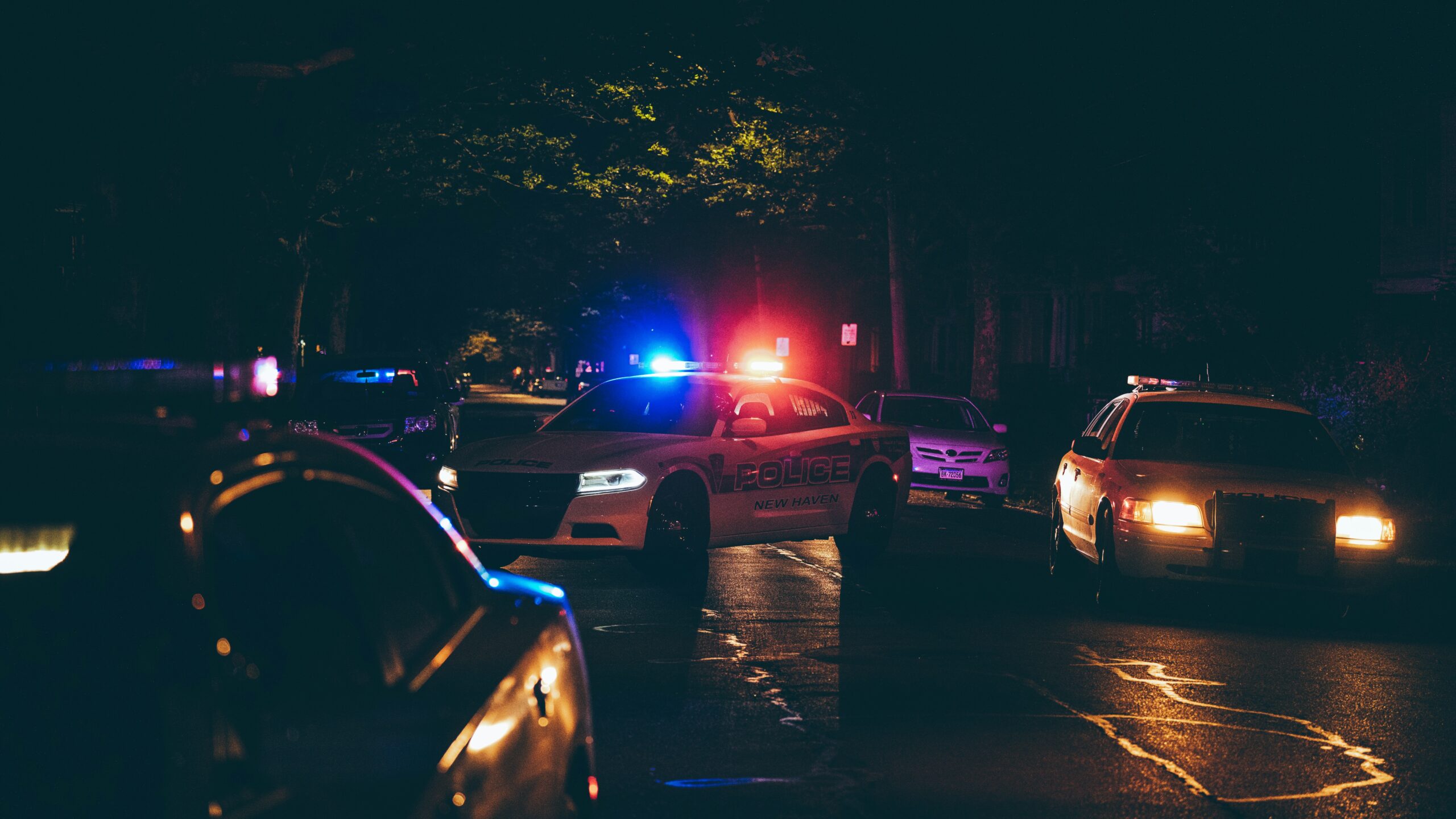

The phrase “routine traffic stop” sounds harmless, like a quick pause in the day before everyone moves on. In reality, the side of the road is one of the most unpredictable places where civilians and officers meet, and the stakes can flip from casual to life changing in seconds. The stories now circulating on bodycam, dashcam, and social media make it clear that what starts with a blinker can end in disaster, grace, or a viral scandal.
From small town highways to busy suburban arterials, drivers are learning that there is no such thing as a guaranteed simple stop. Officers are being trained to treat every encounter as potentially dangerous, while the public is watching, recording, and judging every move in real time.
The Myth of the “Routine” Stop
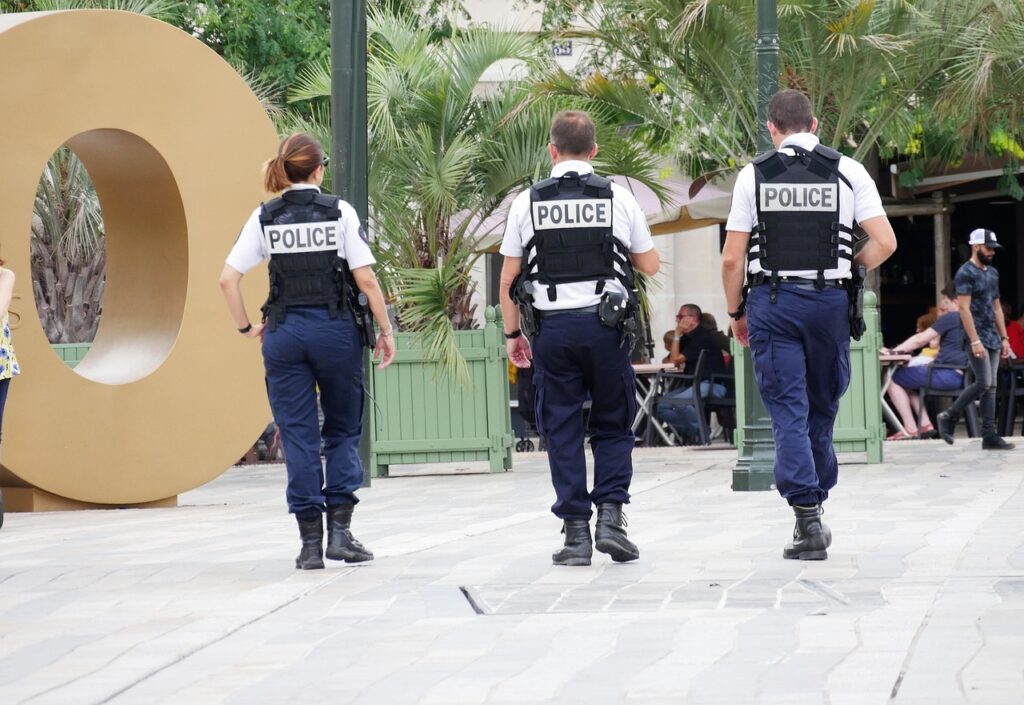
Inside police training rooms, instructors have started pushing back hard on the idea that any traffic stop is truly standard. In one program, students at Citizens Police Academy are told flat out that the phrase “routine traffic stop” does not exist, and then pushed through scenarios where a simple violation suddenly turns volatile. That mindset is echoed in tactical notes that describe how Traffic stops are the most common task officers perform, yet each one carries its own risk profile.
Departments also remind drivers that officers are on edge for a reason. One public guide bluntly notes that, Even though a motorist may have no intention of doing harm, the officer will likely stay in a defensive posture because each stop has the potential for danger. That tension is the backdrop for every flashing blue light in the rearview mirror, whether the driver is fumbling for an insurance card or hiding something far worse.
When a Simple Stop Spirals
The gap between “license and registration” and a full blown crisis can be just a few bad decisions. In one widely shared clip, a woman identified as Jan is ordered to sit back inside her vehicle during what begins as a basic encounter, then refuses, argues, and ends up facing the threat of a Taser as the officer repeats the command to get in the car, a sequence captured in a video titled “Routine Traffic Stop. Then She Made a Terrible Decision.” The escalation in that Jan encounter is not driven by the original violation, but by a breakdown in compliance and communication that turns a roadside chat into a physical confrontation.
Other stops go sideways even faster. A separate bodycam breakdown frames a “simple traffic stop” as being moments away from disaster, with an officer approaching a vehicle that looks ordinary until a sudden shift in the driver’s behavior signals real danger. The narration around that What seemed like a routine encounter underscores why trainers warn officers not to treat any stop as background noise, and why drivers who assume nothing serious can happen during a quick pull over are kidding themselves.
Viral Cameras, Public Judgment
In the age of smartphones and dashcams, almost every stop has an invisible audience. One viral reel follows a chief whose roadside encounter starts as a standard enforcement action and then quickly turns into a career problem. The clip, labeled “Police Chief Escalates,” shows how a few heated choices, captured on bodycam, can explode online and force a department to answer for one person’s judgment. The sense of entitlement and frustration on the roadside does not stay there; it gets replayed, dissected, and turned into a public referendum on policing.
Not every viral moment is ugly. In June 2025, in St. Tammany Parish, Louisiana, Deputy Dustin Byers pulled over a speeding driver and found a man in medical distress, his blood pressure spiking and his life at risk. Instead of a ticket, the deputy became a lifeline, a twist captured in an In June reel that highlights how a stranger’s kindness during a stop can literally save a life. Those contrasting clips, from meltdown to mercy, show how the same flashing lights can either wreck a career or rewrite someone’s story.
More from Wilder Media Group: