

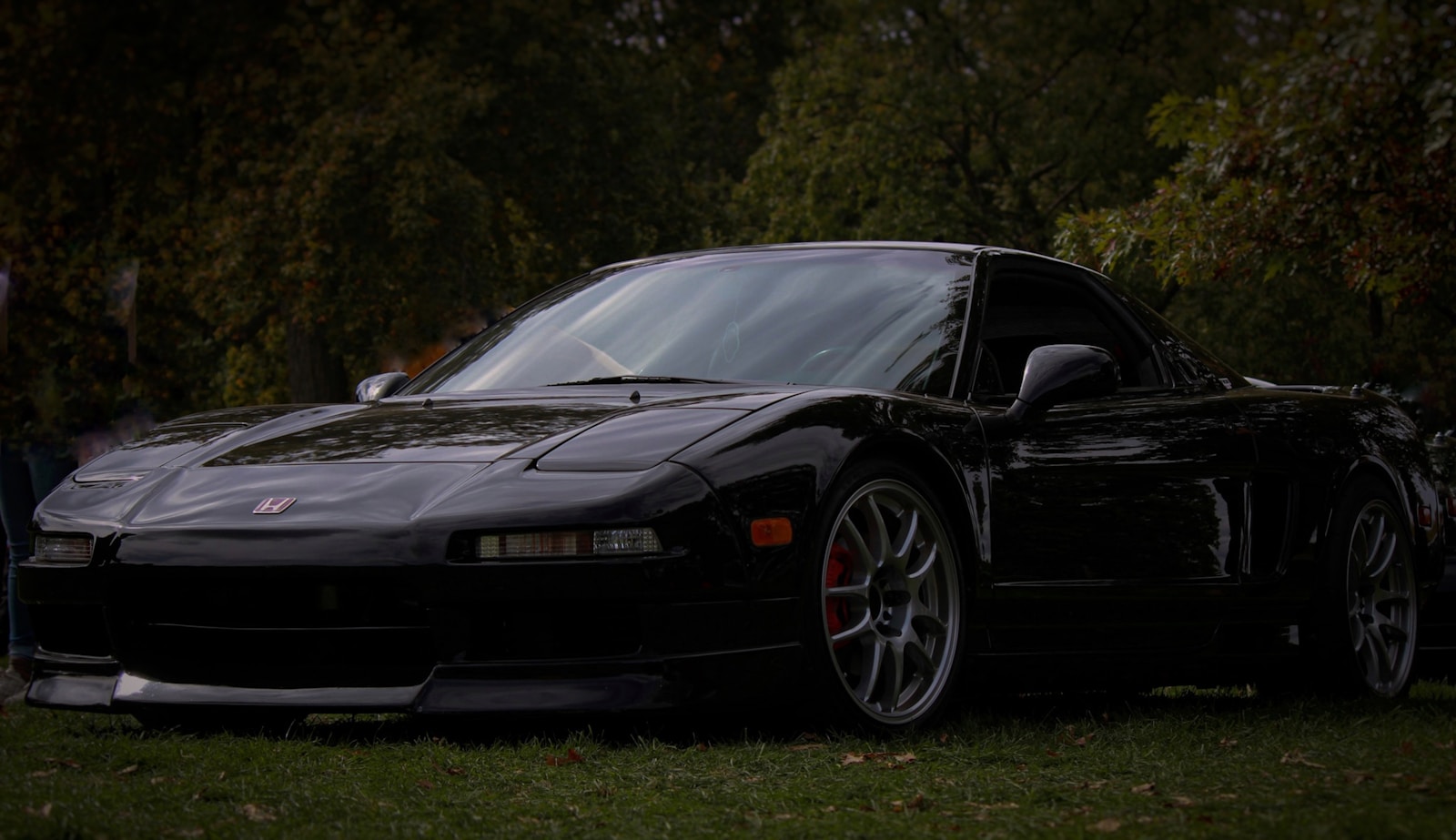
The car that quietly delivers Honda-grade dependability with the poise usually associated with Stuttgart is the original Honda NSX. Conceived as a usable everyday sports car rather than a fragile exotic, it paired bulletproof engineering with handling that invited comparisons to far more temperamental European machinery. Three decades on, its blend of reliability and precision still feels like the template many modern performance cars are chasing.
What set the NSX apart was not just its performance numbers, but the way its chassis balance, steering feel, and powertrain durability came together in a package that owners could drive hard, service on schedule, and trust. It was a sports car that behaved like a Honda commuter in day-to-day life, yet on a twisting road it delivered the kind of feedback and agility that enthusiasts usually expect from a Porsche.
The engineering that made the NSX feel like a supercar you could daily
From the outset, the NSX was engineered to be both exotic and approachable, with a focus on structural rigidity and light weight that would support precise handling without sacrificing longevity. Engineers committed to an aluminum-intensive construction that dramatically cut mass compared with a conventional steel body, a decision that some later observers suggested could have been simplified with a steel structure but which underpinned the car’s sharp responses and stable platform. That lightweight, rigid foundation allowed the suspension to work with unusual delicacy, giving the car a planted feel at speed while still riding with the civility expected from a Honda.
The powertrain evolved in a way that reinforced this dual character. In 1997, the NSX received the C32B, a 3.2-liter V6 that lifted output to 290 horsepower, paired with a six speed manual that encouraged drivers to explore the upper reaches of the rev range. Crucially, this was not a peaky, fragile racing engine, but a naturally aspirated V6 that retained Honda’s reputation for durability even when used hard on road or track. The combination of a free revving, 3.2-liter C32B and a robust manual gearbox meant owners could enjoy supercar performance without living in fear of catastrophic mechanical bills, a stark contrast with many European rivals of the era.
Why the NSX still feels like a Porsche rival on a back road
On a challenging road, the NSX’s chassis tuning is what most clearly invites comparison with contemporary 911s. The mid engine layout delivered inherently neutral balance, and the suspension was calibrated to give progressive breakaway rather than sudden snap oversteer, which made the car approachable at the limit for committed drivers. Steering was geared for accuracy rather than drama, so small inputs translated cleanly into changes of direction, and the car’s relatively low weight meant it could change line mid corner without unsettling the body. That blend of stability and agility is exactly what enthusiasts praise in the best Porsche products, yet here it arrived wrapped in Honda’s methodical engineering.
Owners and engineers have also highlighted how the NSX’s control interfaces contributed to its confidence inspiring character. The brake system, pedal layout, and manual shifter were tuned to work together so that heel and toe downshifts felt natural, and the car’s responses remained consistent even after repeated hard use. Enthusiasts discussing what makes the NSX appealing often point to the way its steering and suspension communicate grip levels clearly, allowing drivers to lean on the chassis with the same confidence they might bring to a well set up Porsche. Combined with the proven reliability of its V6 and driveline, that transparency turns the NSX into a car that invites frequent, spirited use rather than occasional, cautious outings.
More from Wilder Media Group: