
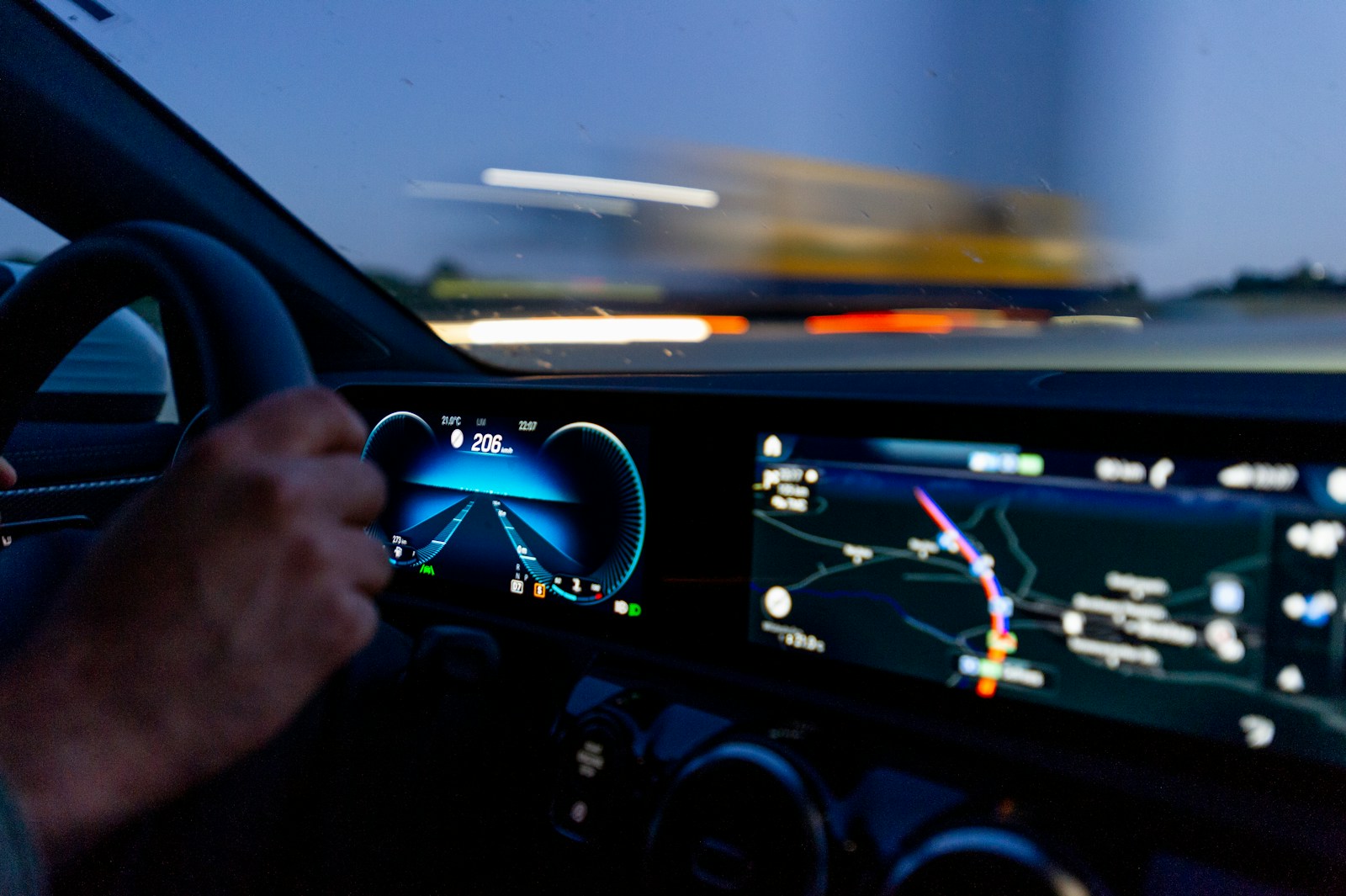

Car manufacturers have spent decades dreaming up features that sounded completely absurd at the time—until they weren’t. What started as engineering experiments, luxury gimmicks, or downright head-scratching ideas eventually became the buttons, screens, and systems drivers now use without a second thought. These weren’t always obvious winners when they first appeared on the showroom floor.
Some of these strange but true features seemed like solutions to problems nobody had, while others felt like pure science fiction. Yet somehow, they stuck around long enough to prove their worth. Today’s drivers take them for granted, forgetting just how weird it was when automakers first pitched them.
From hydraulic wizardry to gesture controls and solar-powered roofs, the automotive world has never been shy about pushing boundaries. The line between innovation and oddity isn’t always clear until years later, when what once seemed outlandish becomes part of everyday driving.
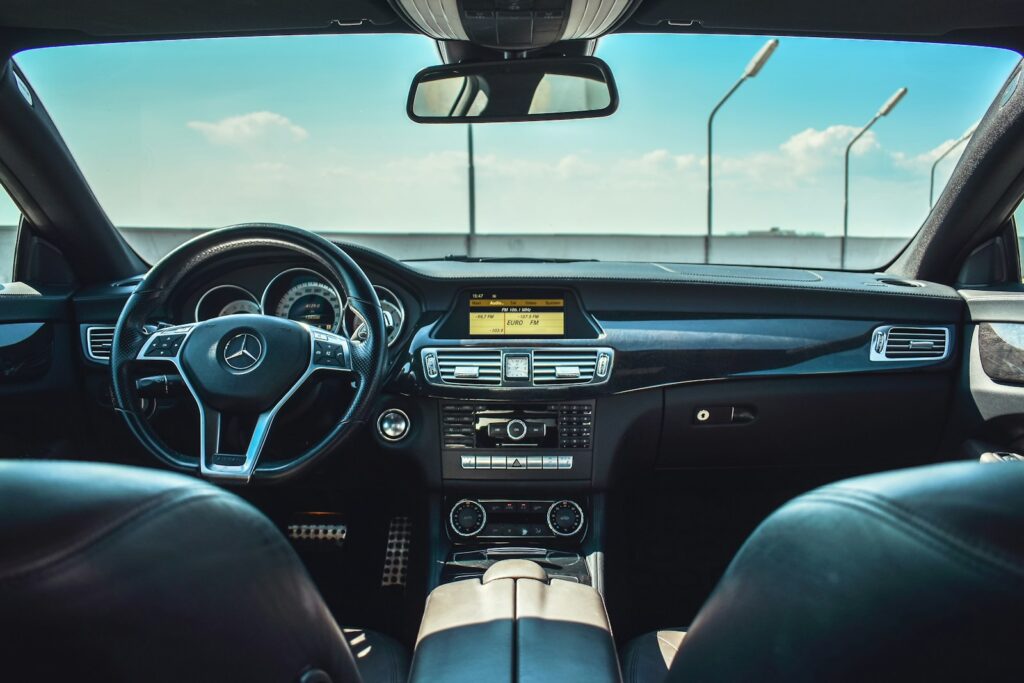
From Weird to Wonderful: Car Features That Defied Convention
Car manufacturers have introduced features that seemed absurd at first but eventually influenced modern automotive design. The transition from novelty to necessity often took decades, with some innovations finding new life in updated forms.
Highway Hi-Fi and the Rise of the In-Car Record Player
Chrysler launched the Highway Hi-Fi system in 1956, installing an actual record player directly into the dashboard. The car record player used specially designed 7-inch records that spun at 16 2/3 RPM instead of the standard 45 or 33 1/3 speeds.
The system struggled with one fundamental problem: roads had bumps. Every pothole sent the needle skipping across the vinyl, turning smooth jazz into chaotic noise. Chrysler discontinued the Highway Hi-Fi after just a few years of production.
Despite its failure, the in-car record player established a crucial precedent. It proved drivers wanted entertainment beyond the radio. This desire led to 8-track players in the 1960s, cassette decks in the 1970s, CD changers in the 1980s, and eventually the integrated infotainment systems that now stream millions of songs on demand.
Swiveling Seats and Entry/Exit Innovations
Certain 1970s Chrysler Imperials featured front seats that rotated 90 degrees toward the door opening. Drivers and passengers could swivel outward, step onto the pavement with both feet, then stand up—all without the awkward twist-and-duck maneuver most cars required.
The swiveling seats never became mainstream in conventional vehicles. The mechanism added weight, complexity, and potential failure points. Safety regulations also raised concerns about seat integrity during crashes.
Modern vehicles adopted the underlying concept through different engineering. Minivans introduced sliding doors that created wider openings. Luxury SUVs now offer power-adjustable seats that slide backward automatically when the engine shuts off. Some accessibility-focused vehicles even feature rotating seats for passengers with mobility challenges, bringing the original idea full circle.
Built-In Vacuum Cleaners and Everyday Convenience
Honda installed the HondaVac in its 2014 Odyssey Touring Elite minivan. The built-in vacuum cleaner sat behind the third row with a hose that reached every corner of the interior. Parents could clean up spilled Cheerios, tracked-in dirt, and mystery crumbs without driving to a car wash or dragging out a household vacuum.
The system used a dedicated motor and canister that required periodic emptying. Honda partnered with Shop-Vac to engineer the unit, ensuring it delivered genuine cleaning power rather than serving as a gimmick.
While the HondaVac hasn’t spread to every vehicle segment, it validated the market for built-in convenience features. Manufacturers now offer built-in air compressors, power outlets capable of running household appliances, and even refrigerated compartments—all following the same logic that vehicles can be more than transportation.
Transparent Hoods and ClearSight Ground View
Land Rover introduced ClearSight Ground View technology that makes the hood appear transparent on the dashboard display. Cameras mounted in the grille capture the ground directly below and in front of the vehicle, then software stitches the images together to create a seamless view through what would normally be solid metal.
The transparent hood helps drivers navigate tight trails, avoid obstacles hidden by the vehicle’s nose, and position wheels precisely on challenging terrain. Off-road enthusiasts who once needed spotters can now see rocks, ruts, and drop-offs that the hood would otherwise conceal.
The technology builds on earlier attempts at improving forward visibility. The 1950s Nash Rambler Palm Beach Special used actual transparent roof panels, though these created heat problems. Modern digital solutions avoid the thermal issues while providing better functionality through selective camera views that drivers can toggle on and off as needed.
Bizarre Luxury, High-Tech Quirks, and Modern Oddities
Automakers have introduced everything from built-in espresso machines to laser-powered headlights in their quest to stand out. These features range from ultra-luxury additions designed for specific clientele to high-tech innovations that seemed unnecessary at first.
Espresso Machines and Unexpected Comfort Creatures
The Fiat 500L espresso machine caused quite a stir when it debuted in 2013. Fiat partnered with Lavazza to create an optional espresso maker that could brew authentic Italian coffee right from the dashboard. The catch? It only worked while the car was parked, limiting its practical use for commuters who needed their caffeine fix on the go.
Toyota took a different approach with comfort in the 1984 Toyota Van. The Toyota Van ice maker was powered by the vehicle’s air conditioning system and included trays to keep beverages chilled during road trips. While it addressed a specific need for families traveling in warm climates, the feature proved too niche for widespread adoption.
These comfort-focused additions showed manufacturers experimenting with lifestyle features rather than just transportation basics. Both the espresso machine and ice maker represented attempts to make vehicles feel more like mobile living spaces.
Laser Headlights and Innovative Lighting
Laser headlights emerged as one of the most technologically advanced lighting systems in automotive history. BMW introduced them on select models, offering significantly brighter illumination than traditional LED systems. The laser technology could project light up to 2,000 feet ahead, nearly double the range of conventional headlights.
The system used laser diodes to energize phosphorus gas, creating an intensely bright white light. Despite the futuristic technology, regulatory hurdles in various markets limited their availability. The high cost of implementation also kept them restricted to premium vehicles, making them more of a showcase for cutting-edge engineering than a practical upgrade for most drivers.
Perfume Dispensers and In-Cabin Experiences
The Mercedes-Benz S-Class perfume dispenser arrived as part of the Air Balance system, which allowed drivers to customize their cabin scent. Mercedes offered several fragrance options that could be dispensed through the climate control system, creating a spa-like atmosphere inside the vehicle.
The feature came with a significant downside—fragrance refills carried a premium price tag. This made the perfume dispenser more of an extravagant luxury than a practical amenity. Still, it represented Mercedes’ commitment to creating a multisensory driving experience that went beyond traditional comfort features.
Volvo explored a different type of cabin experience with security technology. The company developed sensors designed to detect intruders, showcasing how manufacturers were thinking about the car as a complete environment rather than just a mode of transport.
Jump Seats, Yoke Steering, and Beyond
Rear-facing jump seats became famous through the Subaru BRAT, which installed them in the truck bed primarily as a workaround for import taxes. By adding these seats, Subaru could classify the BRAT as a passenger vehicle rather than a truck, avoiding steep tariffs. The seats offered minimal safety features and exposed passengers to the elements, making them impractical for regular use.
The Bentley Bentayga Falconry Edition represented luxury taken to an extreme niche. It included a custom falconry kit complete with bird-tracking equipment and a flight station mounted in the rear. Bentley crafted this ultra-specialized SUV for Middle Eastern customers who practiced the traditional sport, complete with intricate wood marquetry depicting falcons.
Yoke steering made headlines when Tesla replaced traditional steering wheels with aircraft-style yokes in some Model S and Model X variants. The rectangular steering mechanism divided drivers—some appreciated the futuristic aesthetic and improved visibility of the instrument cluster, while others found it impractical for parking maneuvers and tight turns.
More from Steel Horse Rides: