

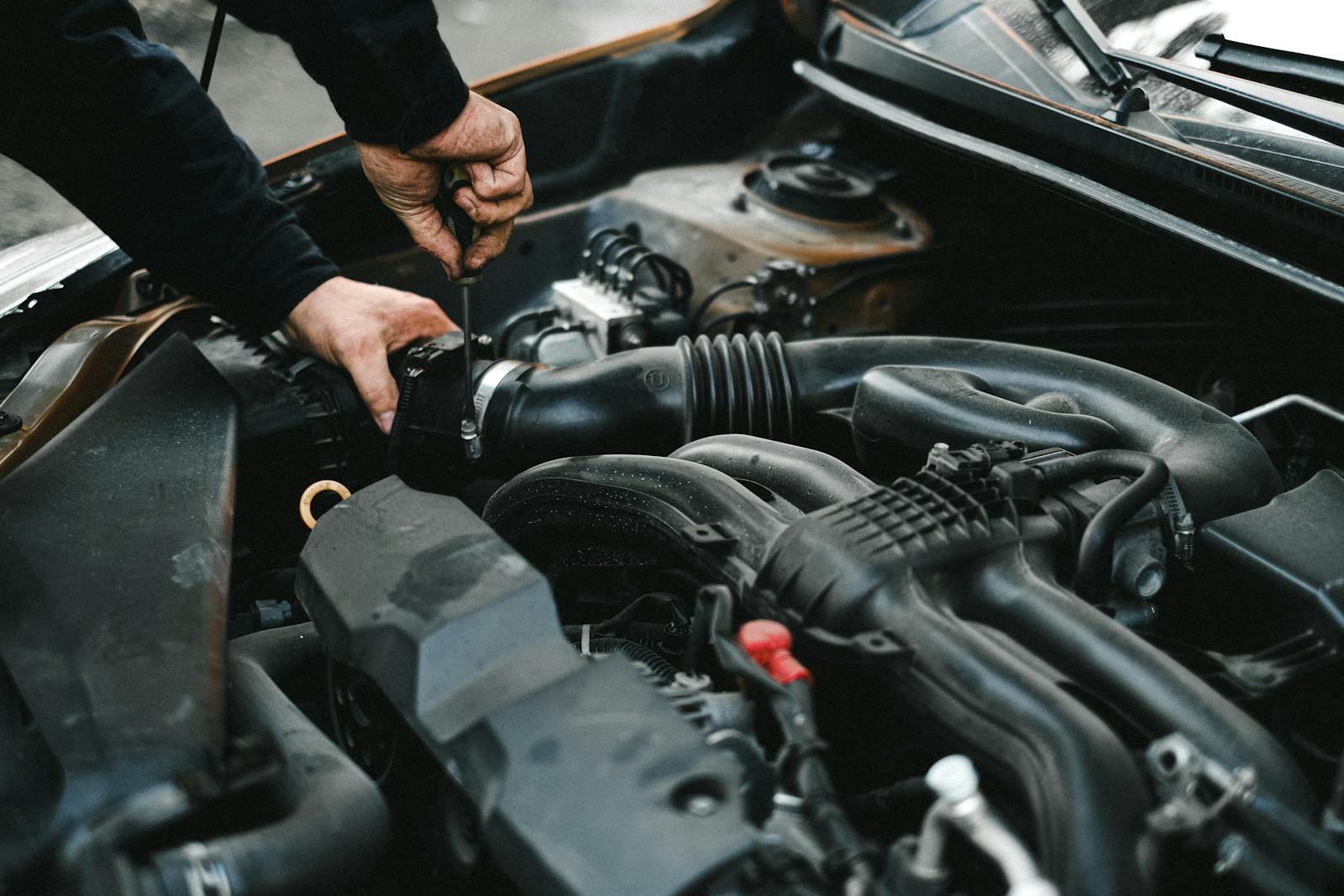
Several American car models have been plagued by notoriously unreliable engines, impacting the driving experience for countless consumers. These engines, often criticized for poor performance, excessive oil consumption, and catastrophic failures, have not only led to financial losses for owners but have also tarnished the reputations of established automotive brands. As vehicle technology continues to advance, understanding which engines have failed to meet expectations is crucial for prospective buyers.
The Ford Pinto’s 2.0-Liter Engine (1971-1980)
The Ford Pinto is one of the most infamous examples of poor engineering in American automotive history. Its 2.0-liter engine was notorious for its tendency to overheat and consume excessive amounts of oil. Reports indicated that owners often had to add oil every few hundred miles, leading to a significant loss of reliability. These issues contributed to a broader narrative of safety concerns surrounding the Pinto, which was involved in numerous recalls due to fire risks in rear-end collisions.
Chrysler’s 2.7-Liter V6 Engine (1998-2007)
Chrysler’s 2.7-liter V6 engine, used in models such as the Dodge Intrepid and Chrysler 300M, has gained a reputation for its susceptibility to engine sludge. This problem often resulted in premature engine failure and costly repairs, with some owners reporting failures as early as 60,000 miles. Chrysler faced numerous complaints and even legal action due to the engine’s reliability issues, which ultimately led to a tarnished reputation among consumers.
Chevrolet’s 5.3-Liter V8 Engine (2000-2014)
While the 5.3-liter V8 engine has been a popular choice for many Chevy trucks, it has also been associated with serious problems, particularly with excessive oil consumption. Many consumers reported that their trucks would burn through oil at an alarming rate, requiring frequent top-offs between oil changes. This issue became especially problematic for models like the Chevrolet Silverado, leading to a class-action lawsuit against General Motors, which was estimated to affect over a million vehicles.
The Pontiac Aztek’s 3.4-Liter V6 Engine (2001-2005)
The Pontiac Aztek, often cited as one of the ugliest cars ever made, was also burdened with a lackluster 3.4-liter V6 engine. Known for its lack of power and poor fuel efficiency, this engine failed to impress consumers. Additionally, the Aztek’s overall design and performance caused it to be largely unpopular, with sales falling well below expectations and eventually leading to its discontinuation.
Ford’s 1.0-Liter EcoBoost Engine (2012-Present)
While marketed as a fuel-efficient option, Ford’s 1.0-liter EcoBoost engine has faced criticism for its reliability issues. Many owners of models like the Ford Fiesta and Focus have reported problems such as coolant leaks and turbocharger failures. The engine’s small size, while beneficial for fuel economy, has led to performance issues that can leave drivers frustrated, especially when repairs are costly and frequent.
The Jeep 3.7-Liter V6 Engine (2002-2012)
The Jeep Liberty’s 3.7-liter V6 engine is another example of a problematic powertrain in American vehicles. This engine has been associated with transmission issues and a lack of power, often leaving drivers dissatisfied with their off-road capabilities. The engine’s poor fuel economy also drew criticism, with many owners reporting that they expected better performance from a brand known for ruggedness and adventure.
Consumer Impact and Industry Response
The issues surrounding these engines have not only impacted individual owners but have also influenced broader consumer confidence in American automotive brands. According to a recent survey, nearly 30% of car buyers consider engine reliability their top priority when purchasing a vehicle. In response to these failures, manufacturers have invested heavily in enhancing engineering and quality control processes to avoid repeat issues, but the damage to brand loyalty remains a concern.
What Consumers Should Know
For potential car buyers, understanding which engines have historically failed can play a vital role in making informed decisions. Researching vehicle history, reading consumer reviews, and staying informed about recalls can help mitigate the risk of purchasing a problematic car. Furthermore, understanding warranty options and service agreements can provide additional peace of mind for buyers.
Call to Action
As the automotive landscape continues to evolve, it is imperative for consumers to remain vigilant. Before making a purchase, ensure you’re well-informed about the engine specifications and reliability of the vehicle you’re considering.