

The automotive industry has seen its fair share of hits and misses over the past decade, with certain models failing to resonate with consumers. Specifically, some cars have become notorious for their poor sales performance, impacting manufacturers’ market strategies and financials. Understanding these models sheds light on consumer preferences and the shifting landscape of the automotive market.
Sales Data: A Decade of Decline
From 2013 to 2023, the automotive market has shifted significantly, with many manufacturers struggling to meet consumer demands. According to data from Automotive News, several models have sold fewer than 10,000 units in a year, leading to their classification as the worst-selling cars of the decade. For instance, the 2020 Fiat 500 managed to sell only 1,500 units in the U.S., a staggering decline compared to its peak popularity in the early 2010s.
Another notable example is the 2019 Honda Clarity, which recorded just under 8,000 units sold in its best year. Despite Honda’s reputation for reliability and innovation, the Clarity struggled with consumer acceptance, particularly in a market increasingly favoring SUVs and trucks. This trend reflects a broader shift away from sedans and compact cars.
Factors Behind Poor Sales
Several factors contribute to the poor sales figures for these models. One significant reason is the changing consumer preferences towards larger vehicles. SUVs and trucks have dominated the market, with sales figures for models like the 2022 Ford F-150 and 2023 Toyota RAV4 reaching well over 500,000 units annually. This shift has left little room for traditional sedans and compact cars.
Additionally, economic factors such as fluctuating fuel prices and rising interest rates have influenced buyer behavior. With gas prices hovering around $3.50 per gallon in many regions, consumers are gravitating towards vehicles that offer better fuel efficiency and practicality. As a result, smaller cars have increasingly fallen out of favor, leading to poor sales numbers for models like the 2021 Chevrolet Spark, which sold only 8,000 units in that year.
Notable Models on the List
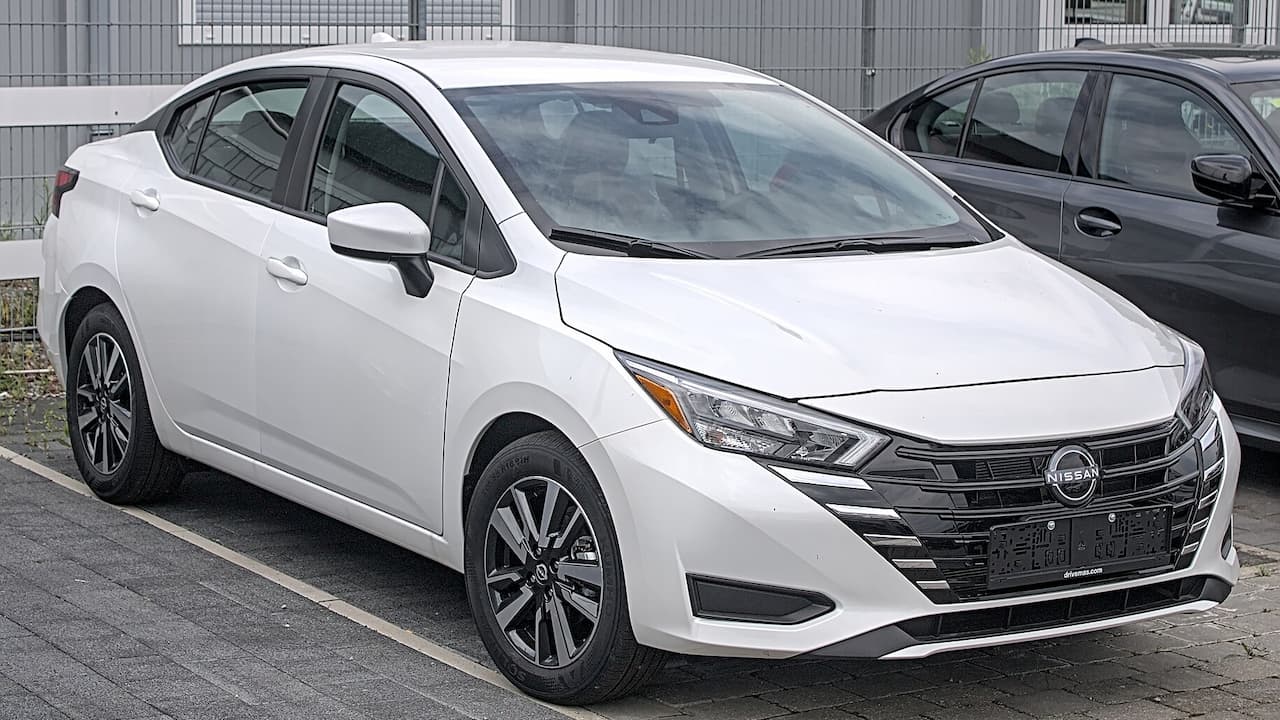
Among the worst-selling cars of the decade, a few stand out for their particularly low sales figures. The 2020 Nissan Versa, for example, recorded just 10,000 units sold, a major decline from its previous iterations. Despite Nissan’s efforts to redesign the model, it failed to attract buyers in a market saturated with more appealing alternatives.
Similarly, the 2019 Ford Fiesta saw sales dwindle to around 12,000 units. Once a strong contender in the subcompact segment, the Fiesta struggled against newer models that offered more advanced technology and better fuel economy. Ford’s decision to shift focus towards larger vehicles further compounded the Fiesta’s sales decline.
The Impact on Manufacturers
The lackluster performance of these vehicles has led manufacturers to reassess their strategies. Companies like Ford and Honda have already announced plans to phase out certain models in favor of electric vehicles and SUVs. For instance, Ford is investing over $50 billion into electric vehicle development by 2026, indicating a clear pivot away from less popular models.
This strategic shift is not only a response to declining sales but also aligned with environmental regulations and consumer demand for greener options. As a result, brands that once thrived on sedans are now focusing on a new era of innovation, leaving the worst-selling models behind.
Conclusion: The Future of Automotive Sales
As the automotive landscape continues to evolve, understanding the worst-selling cars of the decade provides valuable insight into consumer behavior and market trends. With a clear preference for SUVs and trucks and a growing emphasis on electric vehicles, manufacturers must adapt or risk further declines in sales. The fate of these low-performing models serves as a cautionary tale for the industry.
Consumers should remain vigilant, as the automotive market will likely continue to shift dramatically in the coming years. If you are considering a new vehicle, evaluate your options carefully and stay informed about the latest models and trends. Your choice could shape the future of the automotive industry.