Think You Were Wrongly Ticketed by a Speed Camera? Drivers May Be Owed Refunds
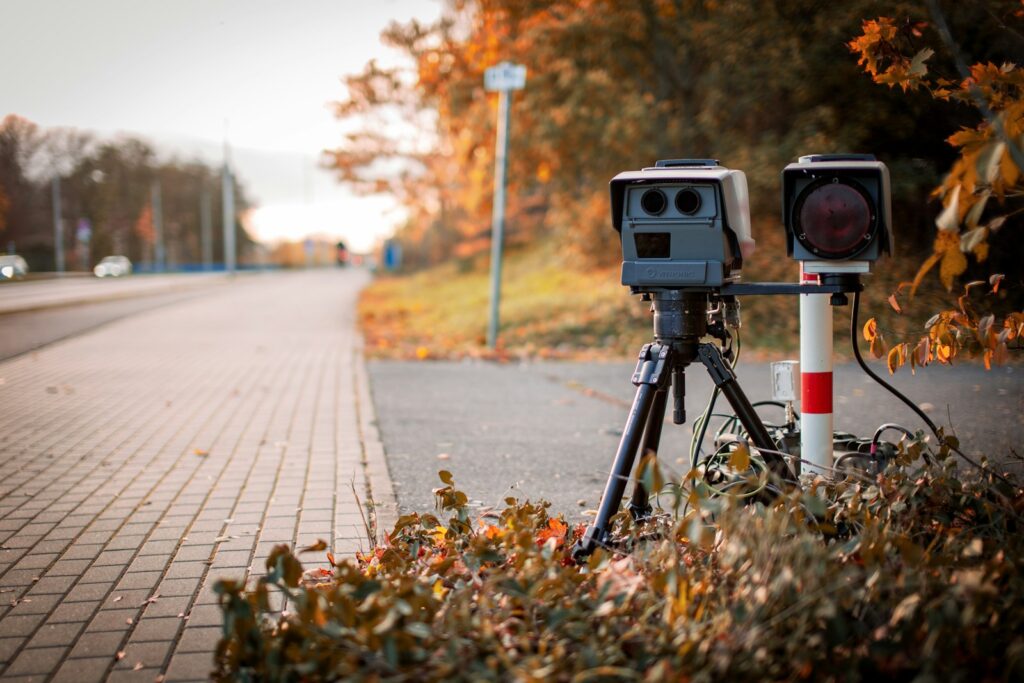
Photo by Berkin Üregen
Madison Cates
In March 2026, drivers in at least four states are collecting refunds on speed camera tickets that should never have been issued. From New Orleans school zones to a small farming town in Colorado, local governments are returning hundreds of thousands of dollars after investigations revealed misconfigured cameras, missing legal agreements, and faulty signage. The cases share a common thread: when officials were confronted with evidence of errors, they paid up.
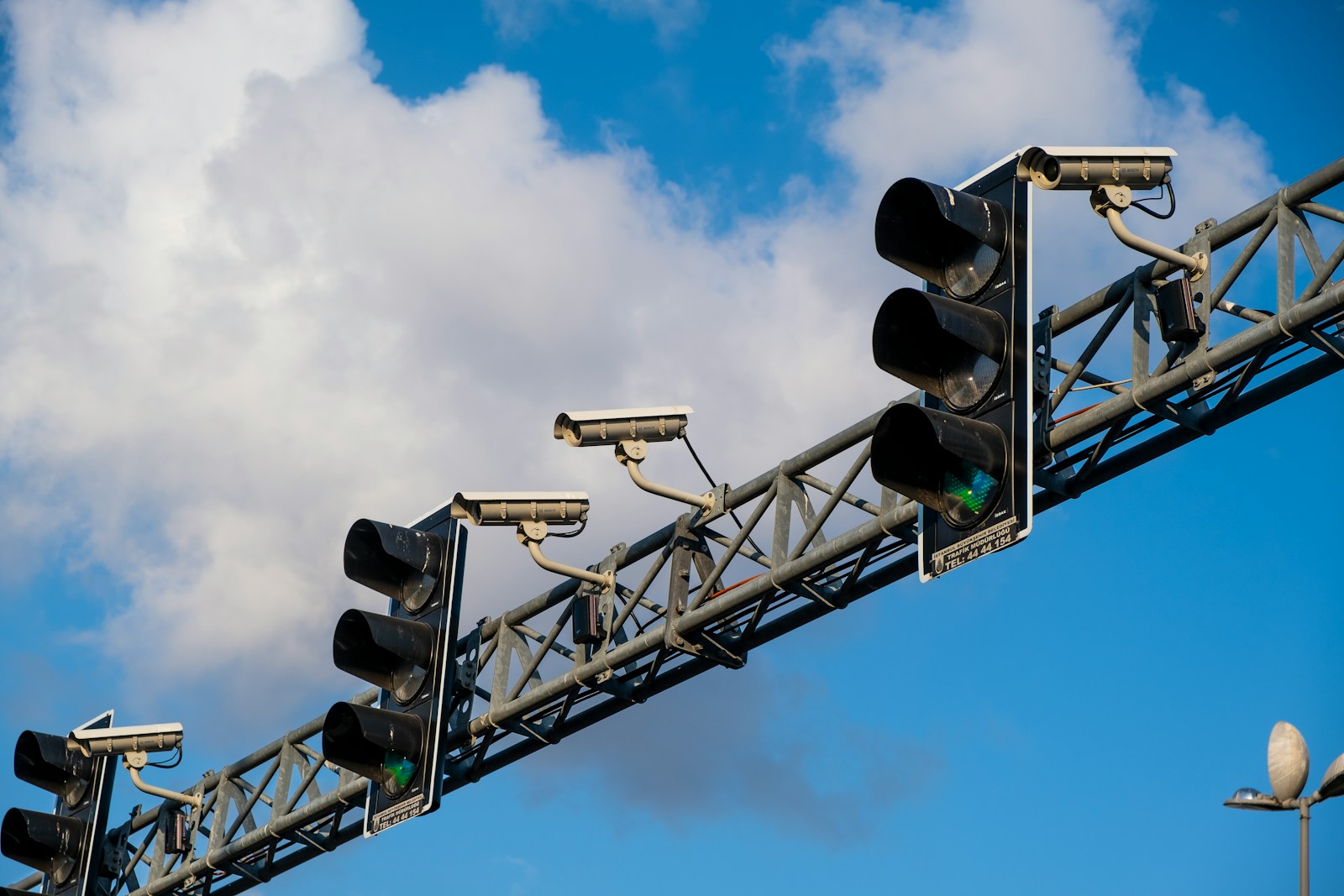
Photo by Denny Müller
New Orleans: millions in fines, no legal authority to collect them
The largest refund saga centers on New Orleans, where Louisiana Attorney General Liz Murrill determined that the city activated school zone speed cameras without first securing a cooperative endeavor agreement (CEA) with local school districts, a step required under Louisiana Revised Statute 32:366. Without that agreement, Murrill argued, the city had no legal authority to issue or collect the fines.
Her office directed New Orleans to return all school zone speeding fines collected between August 2024 and May 2025, a window covering thousands of citations. According to WWL-TV reporting, more than $2 million collected during that period had been placed in escrow, a tacit acknowledgment by city officials that the program’s legal footing was uncertain.
Murrill’s office put the obligation in personal terms: “Any funds previously collected without complying with the law must be returned to the individuals who received tickets.” That language treats each driver as a creditor, not as a line item on a municipal spreadsheet.
The case also served as a warning to other Louisiana municipalities running camera programs. If a city cannot produce a valid CEA, its school zone fines may be just as vulnerable.
Atlanta and Riverdale: cameras ticketing drivers when school zone lights were off
In Georgia, WSB-TV’s I-Team investigated school zone speed cameras in Atlanta and nearby Riverdale. Reporters found that drivers were being cited even when the flashing school zone warning lights were off or when enforcement hours did not match state requirements.
After the investigation aired, both Atlanta and Riverdale agreed to automatically refund affected drivers rather than force individuals to contest tickets one by one. A follow-up report found additional cameras in east Atlanta issuing questionable citations. Atlanta Public Schools declined on-camera interviews but said it stood by the technology.
Separately, Atlanta News First reported that some Atlanta drivers received refunds after a malfunctioning traffic sign created enforcement errors most people never noticed until the tickets arrived. The outlet framed the story under its ongoing “Taxation Through Citation” series, which tracks how automated enforcement programs generate municipal revenue.
Hillsborough County, Florida: the sheriff’s office sends checks without being asked
In Hillsborough County, Florida, a misconfigured school zone speed detection system produced incorrect citations. The Hillsborough County Sheriff’s Office, which partners with camera vendor RedSpeed on its automated enforcement program, announced that every affected driver would receive a refund automatically, with no need to file a request or appear in court.
WFLA reporter Chad Chronister walked viewers through the refund process, noting that the sheriff’s office identified the error internally before most drivers even knew they had been wrongly ticketed. That distinction matters: instead of waiting for complaints to pile up, the agency audited its own system and initiated repayment.
For drivers accustomed to fighting bureaucracies, the Hillsborough approach was unusual. The default in most jurisdictions is to place the burden of proof on the person who received the ticket. Here, the government absorbed that burden itself.
Kersey, Colorado: a farm town returns $586,000
Perhaps the most striking example comes from Kersey, Colorado, a town of roughly 1,600 people along U.S. Route 34. The Kersey Board of Trustees voted to refund more than $586,000 in photo radar speeding tickets, each originally set at $340, that had been issued before a key policy change governing the program.
The decision, first reported by 9NEWS, drew national attention precisely because it is so rare for a government to voluntarily return revenue already deposited. Legal commentators called it a “unicorn” in municipal governance. Once automated ticket revenue starts flowing, the political incentive to shut it off is close to zero. Kersey’s board concluded that the ethical and legal risks of keeping the money outweighed the budget hit of giving it back.
What drivers should do if they suspect a bad ticket
These cases offer a practical blueprint for anyone who believes a speed camera citation was issued in error:
Check the school zone schedule against your ticket timestamp. Many of the overturned citations involved cameras enforcing outside legal school zone hours. Your state’s department of education or local school district website typically publishes the official calendar. If your ticket was issued on a holiday, weekend, or outside posted hours, document that discrepancy.
Look at the signage. Were the flashing school zone lights operational when you drove through? Several of the Georgia refunds hinged on lights being off during enforcement. If you drive the route regularly, note whether signage is missing, obscured, or inconsistent with posted times.
Ask whether your city has the required legal agreements. In states like Louisiana, school zone camera programs require formal agreements between the municipality and the school district. A public records request for the cooperative endeavor agreement (or your state’s equivalent) can reveal whether the program was legally authorized when your ticket was issued.
File a formal contest, but also contact your state attorney general. Individual ticket challenges are important, but the New Orleans case shows that systemic problems get resolved faster when a state-level office intervenes. If you believe the issue affects more than just your ticket, a complaint to the AG’s consumer protection division can trigger a broader review.
Watch for automatic refunds. In Hillsborough County and parts of Atlanta, agencies issued refunds without requiring drivers to take action. If your local government has acknowledged a camera error, check whether you are already in line for repayment before spending time or money on a legal challenge.
More from Wilder Media Group: