

The first-generation Pontiac Firebird has never exactly screamed “fuel efficient,” which is why this barn-find restomod hits so hard. Someone dragged a tired 1967 shell back into the light, skipped the usual big-block script, and slipped a modern four-cylinder powertrain under that long hood instead. It is a mash-up that keeps the classic bodywork intact while rewriting what a vintage pony car can feel like from behind the wheel.
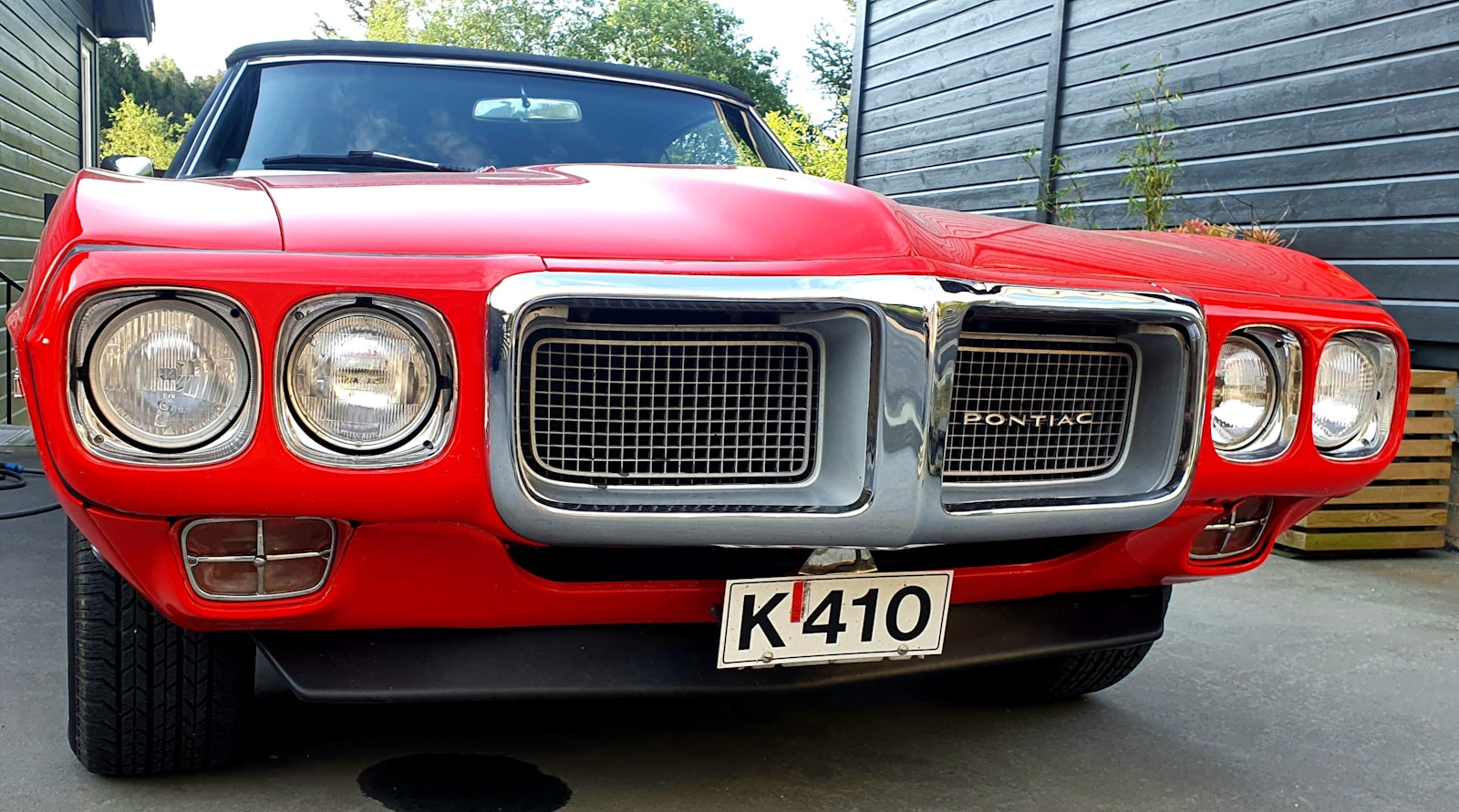
Purists might wince at the idea of a Firebird that trades cubic inches for clever engineering, but the build leans into that tension rather than running from it. The car still looks every bit like a late‑60s boulevard bruiser, yet the drivetrain and chassis tuning push it closer to a modern sport coupe than a straight-line drag toy. The result is a project that treats nostalgia as a starting point, not a cage.
The Barn-Find Firebird That Didn’t Follow the Script
Most 1967 Firebird rescues follow a familiar playbook: strip the shell, chase rust, then drop in a small-block or LS V8 and call it a day. This car started in the same place, pulled from storage with tired paint, worn interior pieces, and the usual first‑gen Firebird scars around the lower quarters and trunk. Instead of chasing factory-correct restoration points, the builder treated the car as a clean canvas, keeping the original coupe profile and signature split grille while planning from the outset for a lighter, more efficient engine package that would change how the car was used on the street.
That decision shaped every step of the rebuild. The front subframe and suspension were refreshed with modern bushings and geometry aimed at sharper turn‑in rather than dragstrip launches, and the rear axle was geared to work with a higher‑revving four-cylinder instead of a torque-heavy V8. Inside, the cabin kept its classic twin-pod dash and chrome accents, but the gauges were updated to read out higher engine speeds and more precise coolant and oil temperatures, a nod to the new powerplant’s different operating range. The car still reads as a 1967 Firebird at a glance, yet the details quietly signal that it is built to be driven hard and often, not just parked at weekend shows.
Four-Cylinder Power, Classic Muscle Attitude
Dropping a four-cylinder into a body that once housed Pontiac’s burliest V8s sounds like sacrilege, but in practice it gives this Firebird a very different kind of personality. The modern engine is physically smaller and significantly lighter than the original iron-block options, which pulls weight off the nose and brings the car’s balance closer to neutral. That change alone transforms how the Firebird feels when it turns into a corner, with less plow at the front tires and more confidence when the driver leans on the chassis through a long sweeper.
The power delivery is just as much of a reset. Instead of the low‑rpm wall of torque that defined late‑60s muscle, the four-cylinder builds power as the revs climb, encouraging the driver to work the gearbox and stay in the sweet spot of the powerband. With modern fuel injection and tighter tolerances, the engine fires cleanly in all weather, idles without drama, and sips fuel at a rate that would have sounded like science fiction when the Firebird was new. The soundtrack changes from a deep V8 thrum to a sharper, more mechanical note, but the car still feels quick enough to keep up with contemporary traffic while using a fraction of the fuel its ancestors demanded.
Restomod Priorities: Drive More, Wrench Less
Choosing a four-cylinder for a classic pony car is as much about how the car will be used as it is about raw numbers. With a lighter, more efficient engine and updated cooling, ignition, and fueling systems, this Firebird is built to be driven regularly instead of babied. Oil changes, plug swaps, and basic maintenance are closer to what an owner would expect from a modern compact than a 1960s performance car, which lowers the barrier to actually putting miles on the odometer instead of letting the car sit under a cover.
That mindset carries through the rest of the build. The braking system was upgraded with modern discs and a more capable master cylinder so the car can comfortably handle highway traffic and emergency stops without the vague pedal feel that plagued many originals. Electricals were cleaned up with a more robust alternator and safer wiring, which reduces the gremlins that often haunt older projects. The end result is a Firebird that keeps its vintage lines and presence but behaves like a well-sorted modern driver, proving that a thoughtful four-cylinder swap can keep classic muscle styling alive without demanding classic muscle compromises.
More from Steel Horse Rides: