
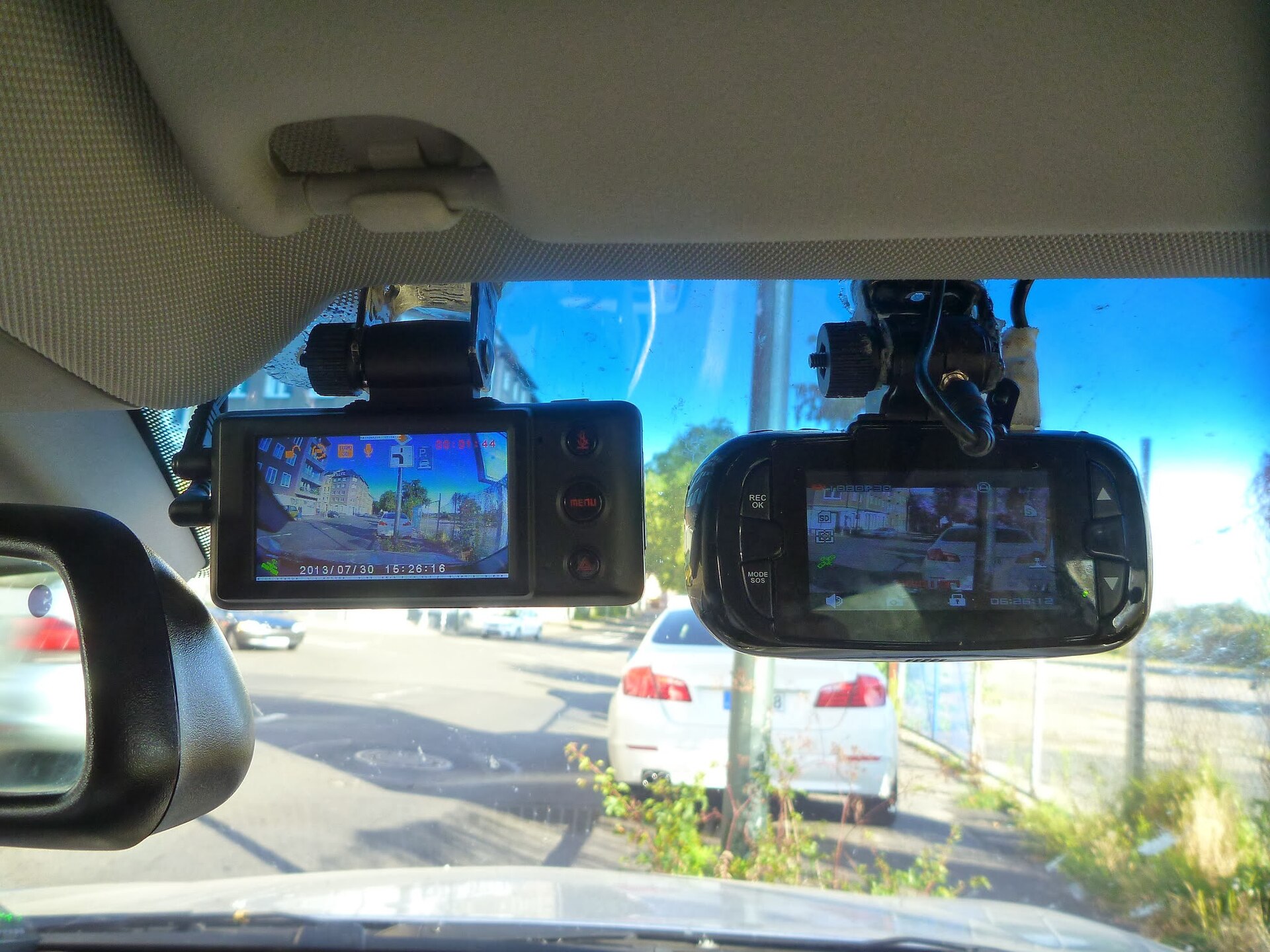

The quiet wait in a left turn lane can flip from routine to catastrophic in a heartbeat, and a single dashcam clip makes that brutally clear. One impatient move, one misread gap, and a driver is no longer just trying to get through an intersection but fighting the physics of a high speed impact. That is the unsettling truth behind a viral crash video, and it is a pattern that shows up again and again whenever cameras catch what really happens in those few seconds of decision.
Left turns sit at the crossroads of human impatience, limited visibility, and unforgiving traffic law, and the footage that circulates online is only the visible tip of a much larger safety problem. When drivers, lawyers, and researchers replay those clips frame by frame, they are not just rubbernecking, they are mapping out how a normal commute turns deadly and what it would take to keep that from happening.
One reckless turn, frozen on video
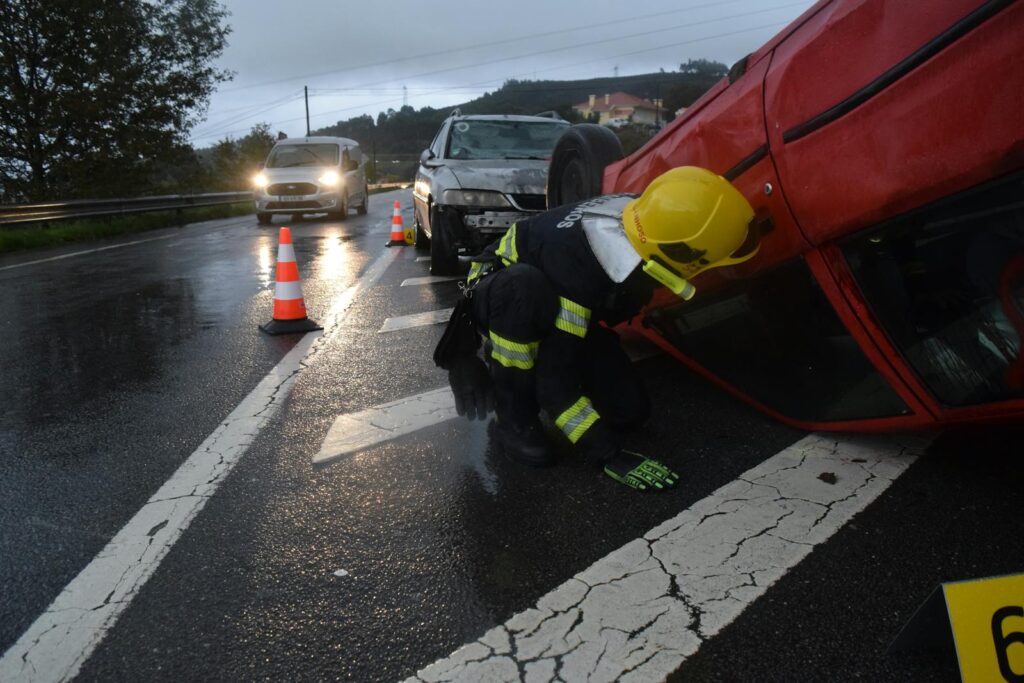
In the clip that has grabbed so much attention, a driver sitting in a dedicated left lane decides to go for a tight gap and ends up triggering exactly the kind of violent side impact every instructor warns about. The move is not subtle, it is a hard commit across live lanes, and the oncoming vehicle has no realistic chance to scrub off enough speed before the collision. The result is a brutal T bone that instantly validates every warning about how unforgiving that angle of impact can be when one person gambles on beating traffic.
The crash was shared widely through a personal injury account that framed it as a ⚠️ Bad Left Turn Decision Leads to Brutal Crash, Caught on Dashcam, and the raw video shows how little time anyone has to react once the turning car rolls into the path of a faster vehicle. Viewers can see the turning driver leave the safety of the lane, cross the center, and then get hit squarely in the side, all in the space of a few heartbeats, which is why the clip has been used as a kind of rolling case study by dashcam lawyers who want juries to understand just how fast a bad judgment call unfolds.
Why left turns are statistically stacked against drivers
What that video captures in one intersection lines up with what crash data has been saying for years, that left turns are disproportionately dangerous compared with going straight. According to the National Highway Transportation Safety Administration, left turning maneuvers are involved in a striking share of cross path collisions, and some legal analyses that draw on those numbers note that these turns are linked to a large portion of serious intersection crashes in the United States. The geometry is unforgiving, the turning car has to cross oncoming lanes, and any misread of speed or distance becomes a direct hit rather than a sideswipe.
That risk is not just a hunch from traffic cops, it is baked into how safety experts talk about intersection design and liability, with attorneys pointing to National Highway Transportation Safety Administration figures when they explain to clients why a left turning driver often faces an uphill battle in court. One frequently cited breakdown of those numbers notes that left turns account for a significant percentage of intersection crashes nationwide, a pattern that helps explain why so many injury cases revolve around who had the right of way when someone tried to cut across traffic, and why lawyers lean on NHTSA statistics to back that up.
The split second math drivers keep getting wrong
Underneath the drama of a crash clip is a simple but brutal bit of math, how much time and distance exist between two vehicles on a collision course. Researchers who study real world driving talk about Time to Contact and Distance as the key variables, and they have found that drivers tend to react more quickly when there is less time before a potential collision, but that does not mean they react correctly. In left turn situations, people often underestimate how fast an oncoming car is closing the gap, especially when that car is farther away but moving quickly, which leads them to start a turn they cannot finish safely.
One analysis of cross path crashes based on naturalistic driving data shows that when drivers misjudge Time to Contact and Distance, they are more likely to commit to a turn even though the oncoming vehicle is still traveling at a speed that makes a collision almost inevitable. The same work notes that many drivers only realize the danger once the other car is already braking or swerving, which is far too late to fix the original mistake, a pattern that lines up neatly with what viewers see in dashcam clips where the turning car seems to appear out of nowhere in front of a vehicle that had the right of way, as described in driving data research.
Social pressure, bad habits, and the misuse of turn lanes
Even when drivers know left turns are risky, social pressure inside the car and from the line behind them can push them into rolling the dice. In one widely shared instructional video, a driving coach named Rick walks through how people sitting in a left lane feel rushed when the light turns yellow and other drivers start honking, and he labels that pressure as a major reason people go when they should stay put. His breakdown of a Failure to Observe crash shows a turning driver focusing on the changing signal and the queue behind them instead of scanning for a last second oncoming car that still has the right of way.
That same mix of impatience and bad habit shows up in how some drivers treat the two way center lane that is supposed to be reserved for turning. In a clip posted in Dec, an APEX work vehicle is seen flying down the two way left turn lane at speed, using it like a private passing lane instead of a buffer for slowing and turning. The video, shared in a road safety group, sparked a wave of comments from drivers who said they see the same misuse daily, and it has been cited as a textbook example of how a lane designed to reduce conflict can become a new hazard when people treat it as a shortcut, which is exactly what the APEX work vehicle footage shows.
Dashcams, sensors, and the fight over fault
When a left turn goes wrong, the argument over who is to blame can drag on far longer than the crash itself, and that is where dashcams and vehicle data recorders have quietly changed the game. In Nevada, for example, the law known as NRS 484B. 253 generally requires drivers turning left to yield to oncoming traffic, but lawyers are quick to point out that there are exceptions when the through driver is speeding or running a light. One viral breakdown of a Nevada crash uses dashcam footage of a white car turning left and a black car going straight to walk viewers through how In Nevada, NRS 484B. 253 sets the baseline rule, and then asks However the key question, who actually created the danger in that specific moment, a debate that hinges on what the camera saw.
That kind of frame by frame analysis is becoming more common as fleets and safety researchers deploy advanced video and sensor systems to capture accidents and near misses in detail. A National Highway Transportation Safety Administration backed study of accidents and near misses using video based data recorders in a fleet test found that these systems can flag risky maneuvers before they turn into full crashes, giving companies a chance to coach drivers on patterns like late left turns or rolling stops. The same logic is now filtering into consumer dashcam culture, where weekly compilations of crash clips, including segments where a dashcam destroys a lying driver, have built a following among people who want to see how real world collisions play out, as in the dashcam compilation that promises exclusive footage.
More from Wilder Media Group: