
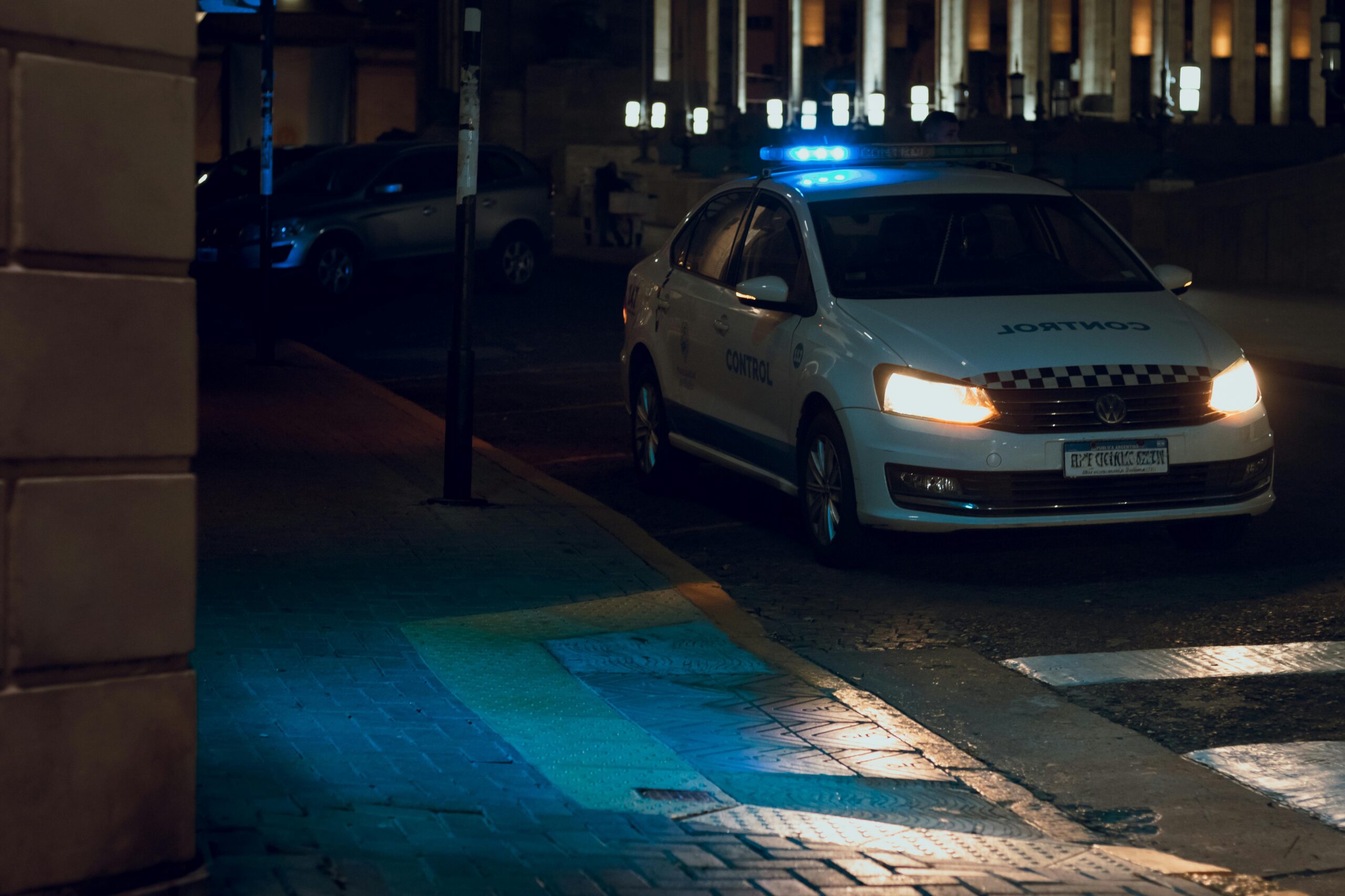

The dashcam clip starts like any other routine traffic stop, a patrol unit tucked behind a line of brake lights, the city humming along. Then a driver floors it, slicing through traffic and turning a crowded roadway into a personal racetrack while the camera quietly records every bad decision. It is the kind of footage that spreads fast online, but behind the viral thrill is a simple, stubborn truth: nobody really outruns a lens that never blinks.
Across the country, from suburban Georgia to the Las Vegas Strip and Florida freeways, officers are leaning on dashcams and body‑worn cameras to document exactly what happens when someone decides to run. The result is a growing library of real‑time cautionary tales, each one replayed frame by frame in courtrooms, training rooms and social feeds.
When a stolen SUV turns a highway into a runway
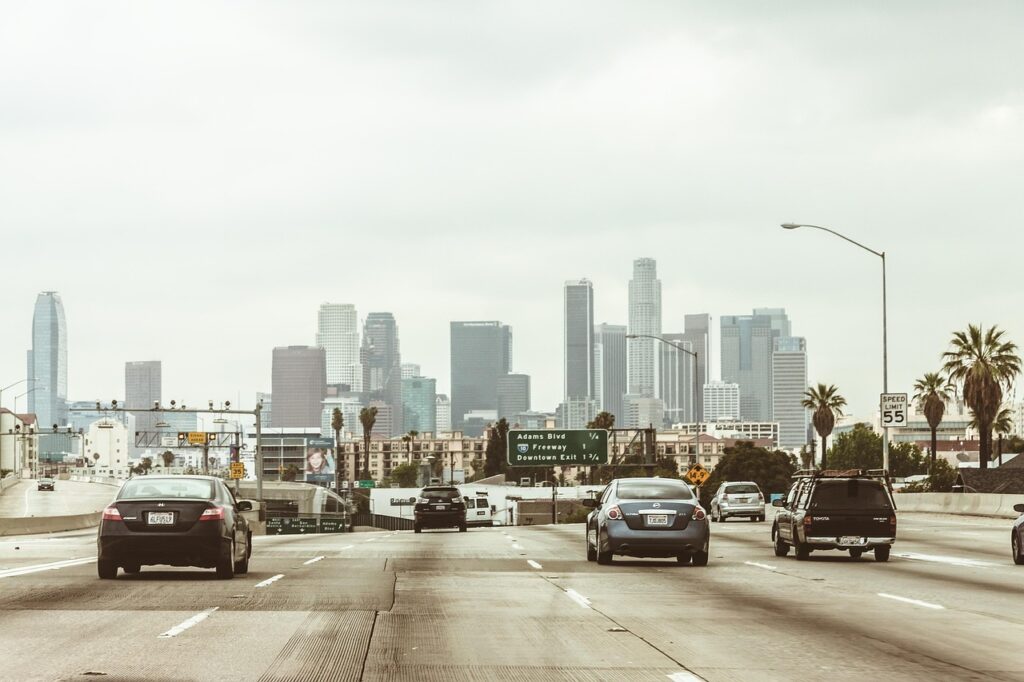
In Georgia, that quiet patrol‑car perspective captured one of the most reckless recent examples, a 17‑year‑old in a stolen SUV pushing past 115 miles per hour. The chase winds along two‑lane roads, the teen weaving across the center line and into oncoming traffic as headlights rush toward the camera. For long stretches, the patrol car simply holds the lane and lets the Dashcam do the work, documenting every swerve as the SUV clips the shoulder, corrects, then drifts again.
The run ends the way so many of these runs do, with physics catching up. After one last high‑speed maneuver, the stolen vehicle loses control, flips and comes to rest in a crumpled heap, the teen from Georgia suddenly very small against the wreckage. Deputies in Fayette County move in, their approach and arrest preserved in the same unbroken sequence that shows the Georgia roads turning into a blur. For investigators and jurors, there is no need to imagine how dangerous the chase was; the camera has already made the case.
From “cop just followed” to sparks on the Strip
Not every pursuit looks like a movie sprint, and dashcam video is starting to reset public expectations about what a chase even is. In one widely shared clip, a 19‑year‑old in a Mustang guns it through city streets while the officer behind her barely changes pace, a scene that drew comments about how the cop “didn’t even chase… just followed.” The short clip, posted in a car‑enthusiast group in Jan, shows how modern policy often favors distance and documentation over bumper‑to‑bumper pursuit.
That same thread, resurfaced again with more comments in a later Jan post, underlines a shift: the camera is as much a tool as the siren. Instead of trying to match every risky lane change, officers can hang back, let the suspect write their own narrative on video and then answer for it later.
In Las Vegas, that narrative turned deadly when LVMPD said a fleeing driver pushed a car up to “80 m” before the front tire tore away. Dashcam and nearby cameras caught the Suspect riding on the rim, sparks fanning out across the pavement as the car kept going. The crash that followed, detailed again in a later Amplified segment, is the kind of sequence that leaves little room for argument about who created the danger.
When the road ends and the running starts
Sometimes the wildest part of a chase starts after the car stops. In San Diego, a driver bailed out in the 3400 Block of Florence, sprinting away from officers and toward the freeway. The clip, labeled with phrases like Suspect Runs, shows the person darting across lanes as traffic barrels past. It is the kind of scene that makes viewers instinctively hold their breath, the freeway itself suddenly part of the pursuit.
A second upload of the same incident, tagged with Freeway After Police and Caught on Camera, turns the chaos into a shareable clip, but it also gives a clear record of how quickly a traffic stop can spill into live lanes. For officers, that footage is a training tool. For drivers tempted to run, it is a preview of just how exposed they will be once they leave the relative protection of a car.
In Florida, a different kind of exit played out when a DASHCAM recorded a Man in Florida slamming into a deputy’s patrol car, then trying to bolt. Reporter Sophie Pendrill noted how the clip, time‑stamped at “9:38 AM” and later marked as Updated, shows the suspect stepping out as if to talk, then suddenly taking off on foot. The deputy’s response, from the first impact to the takedown, is preserved in a single continuous reel that leaves little room for competing versions of events.
Local officials in Hillsborough County later shared their own cut of the incident on Instagram, captioned “On January” and highlighting charges that included Refusal to submit to testing. A second version of the same reel, shared again in Jan, underscores how agencies now use the same platforms as car‑culture pages, but to very different effect.
More from Wilder Media Group: