
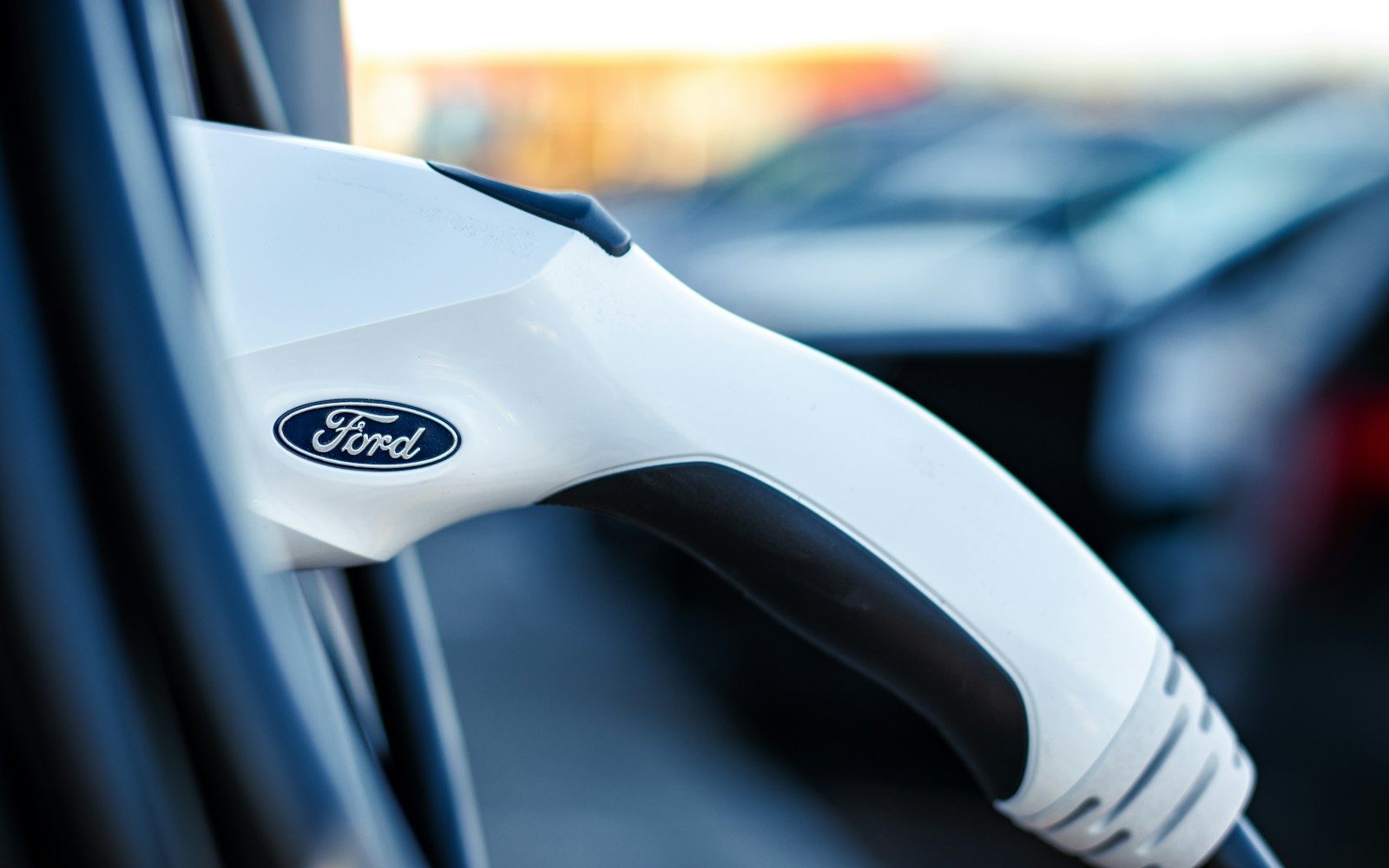

Plug-in hybrids have long promised electric commuting without the range anxiety of a pure battery vehicle, but most still feel like traditional cars with a bigger battery. A new generation of models is flipping that script, operating primarily as electric vehicles and even adding DC fast charging so drivers can treat gasoline as a backup rather than the default. That shift could make these plug-ins the most practical bridge yet between conventional powertrains and full battery electric cars for buyers who are not ready to go all in.
Instead of asking drivers to constantly juggle modes and fuel sources, these latest plug-in hybrids are engineered to run on electricity for the bulk of daily use, then quietly hand off to a combustion engine only when longer trips demand it. With larger batteries, higher-output motors, and fast-charge capability, they blur the line between EV and PHEV in a way that directly addresses concerns about charging access, cold-weather range, and long-distance travel.
How a plug-in hybrid can behave like a full EV
The core difference with this new breed of plug-in hybrid is not just a bigger battery, it is the way the powertrain is calibrated so the electric side does the heavy lifting. Instead of treating the engine as the primary source of propulsion, engineers size the traction motor and battery so the car can handle normal acceleration, highway merging, and moderate hills without waking the engine. That means most commutes, school runs, and errands happen in near-silent electric mode, with the gasoline tank acting as a long-range extender rather than the main energy source, a pattern that aligns with how many drivers actually use their cars according to reported usage data in modern plug-in models for daily driving.
To make this work, the battery capacity in these plug-in hybrids typically stretches well beyond the 10 to 15 kilowatt-hour packs that defined early PHEVs, moving into ranges that support dozens of electric miles before the engine needs to assist. That larger buffer lets the control software prioritize electric propulsion even at higher speeds, while still preserving enough reserve to blend in the engine smoothly when the pack is low or when the driver demands sustained high power. Reporting on current plug-in offerings shows that when electric range climbs into the 30 to 50 mile band, many owners can complete most days without burning fuel at all, effectively using the car as an EV while still carrying a combustion safety net for longer journeys over typical commutes.
DC fast charging turns a plug-in into a road-trip EV
The addition of DC fast charging is what truly changes how these plug-in hybrids can be used, because it lets drivers refuel the battery on the move in the same way they would with a pure EV. Instead of relying solely on slower Level 2 charging at home or work, a DC-capable plug-in can pull into a public fast charger, add a substantial amount of electric range in a short stop, and continue the trip without ever touching the gasoline tank. Technical guidance on charging infrastructure notes that DC fast chargers can deliver power at 50 kilowatts and above, which is far beyond what typical onboard AC chargers in plug-in hybrids can accept, and that higher rate is what makes quick top-ups on long drives practical on highway corridors.
Because plug-in hybrids usually carry smaller batteries than full EVs, the absolute charging times can be even shorter, since there is less capacity to fill. A pack sized for several dozen electric miles can be brought from a low state of charge to a useful level in the time it takes for a coffee break, especially when the car is designed to accept a meaningful DC rate rather than being limited to slow AC charging. Public data on current fast-charging networks shows that many stations already support a wide range of connector standards and power levels, which means a DC-capable plug-in can tap into the same infrastructure that serves long-range battery electric models, as long as it is equipped with a compatible inlet and charging software for public use.
Why this approach eases range anxiety and charging fears
For many shoppers, the biggest barrier to a full EV is not the technology itself but the fear of being stranded or stuck at a broken charger, especially on unfamiliar routes. A plug-in hybrid that functions like an EV for daily life but carries a gasoline backup directly addresses that anxiety, because the driver always has a fallback if a charger is busy, offline, or simply not where the navigation promised. Surveys of charging behavior show that most EV energy still comes from home or workplace charging, yet concerns about public infrastructure reliability remain a top reason some buyers hesitate to abandon combustion entirely, a pattern that makes a dual-fuel solution particularly appealing for hesitant adopters.
DC fast charging on a plug-in hybrid further reduces those worries by making it easier to stay in electric mode even when plans change. If a driver unexpectedly needs to extend a trip, they can stop at a fast charger, add enough range to cover the detour, and still keep the engine off for most of the journey. If the charger is unavailable, the car simply continues on gasoline without drama. This flexibility aligns with broader research on consumer acceptance of electrified vehicles, which finds that perceived convenience and backup options weigh heavily in purchase decisions, especially in regions where charging infrastructure is still unevenly distributed across urban and rural areas.
Efficiency, emissions, and the real-world tradeoffs
From an efficiency standpoint, a plug-in hybrid that spends most of its time in electric mode can deliver fuel economy numbers that rival or even exceed some dedicated EVs on a per-trip basis, especially when the battery is regularly charged from the grid. Official testing protocols for plug-in hybrids already account for blended operation, and when drivers plug in consistently, the gasoline engine may run only on occasional long trips, dramatically reducing fuel consumption over the life of the vehicle. Federal data on plug-in hybrid performance shows that when electric miles dominate, overall energy use and tailpipe emissions drop sharply compared with conventional hybrids or non-electrified models in comparable segments.
There are, however, tradeoffs that depend heavily on driver behavior. If owners rarely charge and instead rely on the engine, the extra weight and complexity of the battery and motor can actually hurt fuel economy compared with a standard hybrid, and the environmental benefits largely evaporate. Studies of real-world plug-in hybrid usage have documented wide variation in electric share, with some drivers achieving very high EV-mode percentages and others treating the car like a regular gasoline vehicle that happens to have a plug. Policymakers and analysts have noted that incentives and education are crucial to ensure these vehicles deliver the intended emissions reductions, particularly in markets where generous subsidies are tied to rated electric range rather than observed charging habits in on-road use.
Who benefits most from an EV-first plug-in hybrid
The drivers who stand to gain the most from this EV-first plug-in formula are those with predictable daily mileage, access to regular charging, and occasional long-distance needs. A commuter who travels 25 to 40 miles per day and can plug in at home or work can operate almost entirely on electricity, while still having the confidence to take a spontaneous weekend road trip without planning charging stops in detail. Analysis of travel patterns in the United States shows that a large share of daily trips fall well within the electric range offered by modern plug-in hybrids, which means a significant portion of the fleet could effectively run as electric most of the time if drivers plug in consistently based on trip length data.
These vehicles also offer a practical solution for households that cannot easily install home charging or that share a single car for varied duties. In dense urban areas where parking is on-street and access to overnight charging is limited, a plug-in hybrid with DC fast charging can still take advantage of public infrastructure during the day, while the gasoline engine covers gaps when charging is inconvenient. For multi-car families, an EV-first plug-in can serve as the primary vehicle, handling both local errands and longer journeys, while a smaller pure EV or conventional car covers secondary roles. Transportation researchers have highlighted that such flexible configurations can accelerate electrification across diverse living situations, especially when combined with workplace and public charging investments that broaden access.
What this means for charging networks and future models
The arrival of plug-in hybrids that can use DC fast charging has implications beyond individual ownership, because it adds a new type of vehicle to already busy charging corridors. Fast-charging operators will need to account for cars that carry relatively small batteries but still occupy high-power stalls, potentially for shorter sessions but at similar peak loads. Planning documents for charging infrastructure already anticipate a mix of vehicle types, from compact EVs to heavy-duty trucks, and the addition of DC-capable plug-in hybrids underscores the need for smart queuing, pricing, and power management strategies so stations can serve a diverse fleet efficiently as utilization grows.
Automakers, for their part, are likely to treat these EV-like plug-in hybrids as a strategic bridge technology while battery costs, charging networks, and consumer comfort with full EVs continue to evolve. Product roadmaps and regulatory filings already show a mix of pure electric and plug-in hybrid offerings in the pipeline, particularly in segments where towing, cold-weather performance, or long-haul capability are priorities. As emissions standards tighten and zero-emission mandates expand, manufacturers may lean on plug-in hybrids with robust electric performance and DC fast charging to meet fleet targets while still catering to buyers who want the reassurance of a gasoline backup, a balance that current policy analyses describe as a transitional but important step toward deeper electrification under evolving rules.
More from Steel Horse Rides: