

Hikers on a quiet Italian mountain trail now encounter a startling sight: what looks like an overturned wooden boat planted squarely across the path. The structure is not a stranded vessel at all but a small chapel that has already earned recognition from architecture juries for its bold form and sensitive setting. Its designers set out to create a place of pause and reflection that interrupts the route just enough to make people look, listen, and move differently through the landscape.
The project turns a simple silhouette into a layered experience, using the familiar curve of a hull to shelter a contemplative interior. From a distance it reads as a curious object blocking the way, yet up close it reveals careful carpentry, filtered light, and a deliberate relationship with the surrounding mountains. The result is a piece of contemporary architecture that behaves like a trail marker, a lookout, and a chapel all at once.
A mountain trail that suddenly stops at a “boat”
The chapel sits directly on a hiking route in the Italian mountains, so the first encounter is not framed by signage or visitor centers but by the rhythm of walking. One moment the path is open, the next it is visually sealed by a wooden volume that appears to have been tipped over and left to rest on its spine. The interruption is intentional, turning the structure into a threshold that hikers must decide to pass through, walk around, or simply stand before and study.
That sense of surprise is heightened by the way the object borrows the language of a familiar vessel. From the trail, the curved ribs and tapering ends evoke an upside-down boat, an image that the designers leaned into precisely because it feels both ordinary and out of place on a mountain. The effect, described as a wooden boat that seems to be blocking the route, is central to the project’s identity and is captured in early descriptions that invite visitors to picture themselves hiking through the Italian mountains and suddenly confronting this unexpected form.
From visual obstacle to spiritual threshold
What initially reads as an obstacle quickly reveals itself as an invitation. The chapel’s opening is cut into the “hull,” allowing hikers to step inside the volume rather than simply detour around it. Crossing that line shifts the experience from the open exposure of the trail to a compressed, timber-lined interior that frames the sky and landscape in carefully edited views. The transition is subtle but powerful, turning the act of moving forward into a small ritual of entering and exiting.
By forcing a pause in the journey, the structure functions as a threshold between the everyday exertion of hiking and a quieter, more reflective state. The designers use the boat-like shell to create a sense of enclosure without severing the connection to the mountains outside, so the chapel becomes a place to sit, breathe, and listen to wind and footsteps filtered through wood. In this way, the apparent blockage of the path becomes a device for slowing people down and encouraging them to treat the next stretch of trail as something newly significant.
The designers behind the upside-down chapel
The project is the work of three designers, Marina Poli, Clément Molinier, and Philippe Paumelle, who approached the commission as an opportunity to test how a small, precise intervention could reshape a familiar route. Rather than imposing a heavy landmark, they chose a compact volume that could be read at multiple scales, from a distant silhouette on the path to the fine grain of its joinery. Their collaboration balances sculptural ambition with a clear respect for the site’s existing character.
Poli, Molinier, and Paumelle placed the chapel on a trail in Piobbico, a location that gives the structure both a local anchor and a broader resonance as a destination for hikers and architecture enthusiasts. The trio’s names are now closely associated with this mountain experiment, which has been recognized as an award-winning chapel that sits directly on the route in Piobbico and credits Marina Poli, Clément Molinier, and Philippe Paumelle as its authors.
Why a boat, and why upside down
The decision to model the chapel on an inverted boat is more than a visual joke. An upturned hull is a familiar sight in coastal communities, where old vessels are sometimes stored or repurposed as shelters, and that everyday image carries connotations of refuge, repair, and waiting out a storm. Transplanted to a mountain trail, the same form becomes a quiet metaphor for protection and passage, suggesting that the chapel is a place to rest between journeys rather than a final destination.
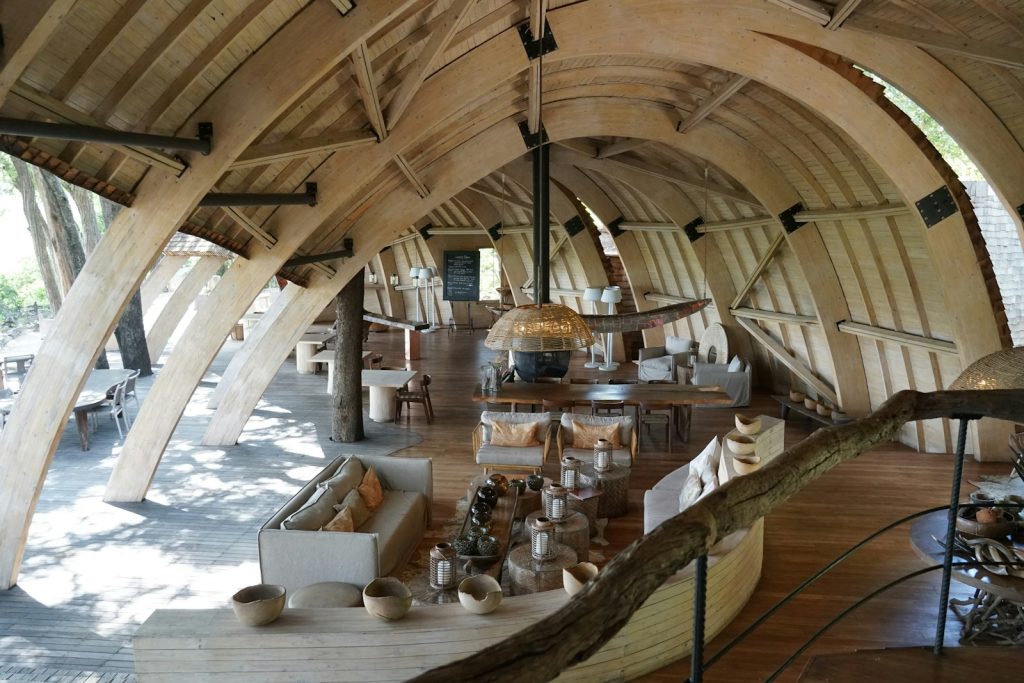
Flipping the boat also allows the designers to use its geometry structurally and spatially. The curved ribs that would normally support a hull in water now become a series of arches that span the interior, creating a rhythmic ceiling that guides the eye along the length of the chapel. The tapering ends focus views outward, so the visitor’s gaze is drawn toward the landscape even while standing inside. The result is a space that feels both grounded and in motion, echoing the idea of travel that a boat naturally evokes.
Material choices that echo the landscape
Wood is the dominant material, chosen for its warmth, workability, and ability to age gracefully in a mountain climate. The exterior planking reinforces the boat analogy, while the interior surfaces are tuned to catch and soften light, creating a gentle glow that contrasts with the harsher brightness of open rock and sky. Over time, the timber will weather, shifting in color and texture so that the chapel gradually blends more deeply into its surroundings.
The designers use this material palette to keep the structure visually connected to the forested slopes and traditional rural buildings nearby. Rather than introducing a glossy, alien object, they rely on familiar construction techniques and natural finishes that feel at home in Piobbico’s landscape. The result is a chapel that stands out because of its form and placement, not because of any aggressive color or industrial sheen, which helps it maintain a respectful dialogue with the trail it interrupts.
A small chapel with big architectural recognition
Despite its modest footprint, the project has attracted significant attention from the architecture community, earning awards that highlight its inventive use of a simple typology. Jurors have been drawn to the way it compresses big questions about landscape, ritual, and movement into a single, legible gesture. The chapel demonstrates how a small structure, carefully sited and precisely detailed, can have an outsized impact on how people experience a place.
This recognition also reflects a broader interest in projects that operate at the intersection of art installation and functional building. The upside-down boat chapel is not a purely sculptural object, since it offers shelter and a defined interior, yet it also behaves like a piece of land art that reframes its context. Its awards signal that contemporary architecture is increasingly willing to celebrate works that blur these boundaries, especially when they engage directly with public routes rather than secluded museum grounds.
How hikers actually use the space
On a practical level, the chapel has become a waypoint where hikers adjust gear, share snacks, or simply take a break from climbing. The interior benches and sheltered volume provide a welcome pause in bad weather, while the filtered views make it a natural spot for photography and quiet conversation. Some visitors treat it as a brief curiosity, stepping in and out before continuing, while others linger long enough to let the space’s slower tempo sink in.
Because the structure sits directly across the trail, it also shapes the social choreography of the route. People approaching from opposite directions often meet at the chapel, negotiating who passes through first or choosing to sit together inside. In this way, the building fosters small, unscripted encounters that would be less likely on an open path, turning a solitary hike into a more communal experience without any formal programming or staff.
Blending devotion, design, and tourism
The chapel’s religious function is intentionally open-ended. It can host small moments of prayer or reflection for those who seek them, but it does not rely on overt iconography or denominational markers. Instead, its spiritual character emerges from the act of stepping into a quiet, carefully framed space in the midst of a demanding landscape. That ambiguity allows the structure to welcome a wide range of visitors, from devout pilgrims to casual hikers drawn purely by curiosity about its form.
At the same time, the project has become part of Piobbico’s cultural and tourism narrative, attracting people who plan their routes specifically to encounter the upside-down boat chapel. Local guides and regional promotion materials now reference the structure as a point of interest, demonstrating how a single, well-conceived intervention can enrich both the spiritual and economic life of a mountain community. The chapel thus operates on multiple levels, serving as a place of contemplation, a design destination, and a subtle engine for rural tourism.
What this trail-side chapel suggests about future mountain architecture
The success of the upside-down boat chapel hints at a future in which more mountain routes are punctuated by small, thoughtful structures rather than large, centralized facilities. As hikers seek deeper engagement with landscapes, interventions that slow movement and frame specific views may become more valuable than expansive visitor centers or oversized monuments. This project shows that a single, well-placed volume can recalibrate an entire stretch of trail, encouraging people to notice details they might otherwise stride past.
It also underscores the potential of collaborative, site-specific design in rural regions that are often overlooked by high-profile architecture. By working closely with the character of Piobbico’s mountains and choosing a form that is both surprising and legible, Marina Poli, Clément Molinier, and Philippe Paumelle have created a chapel that feels rooted rather than imported. Their upside-down boat on the path stands as a reminder that even the most familiar journeys can be transformed by a carefully considered pause.
More from Wilder Media Group: