
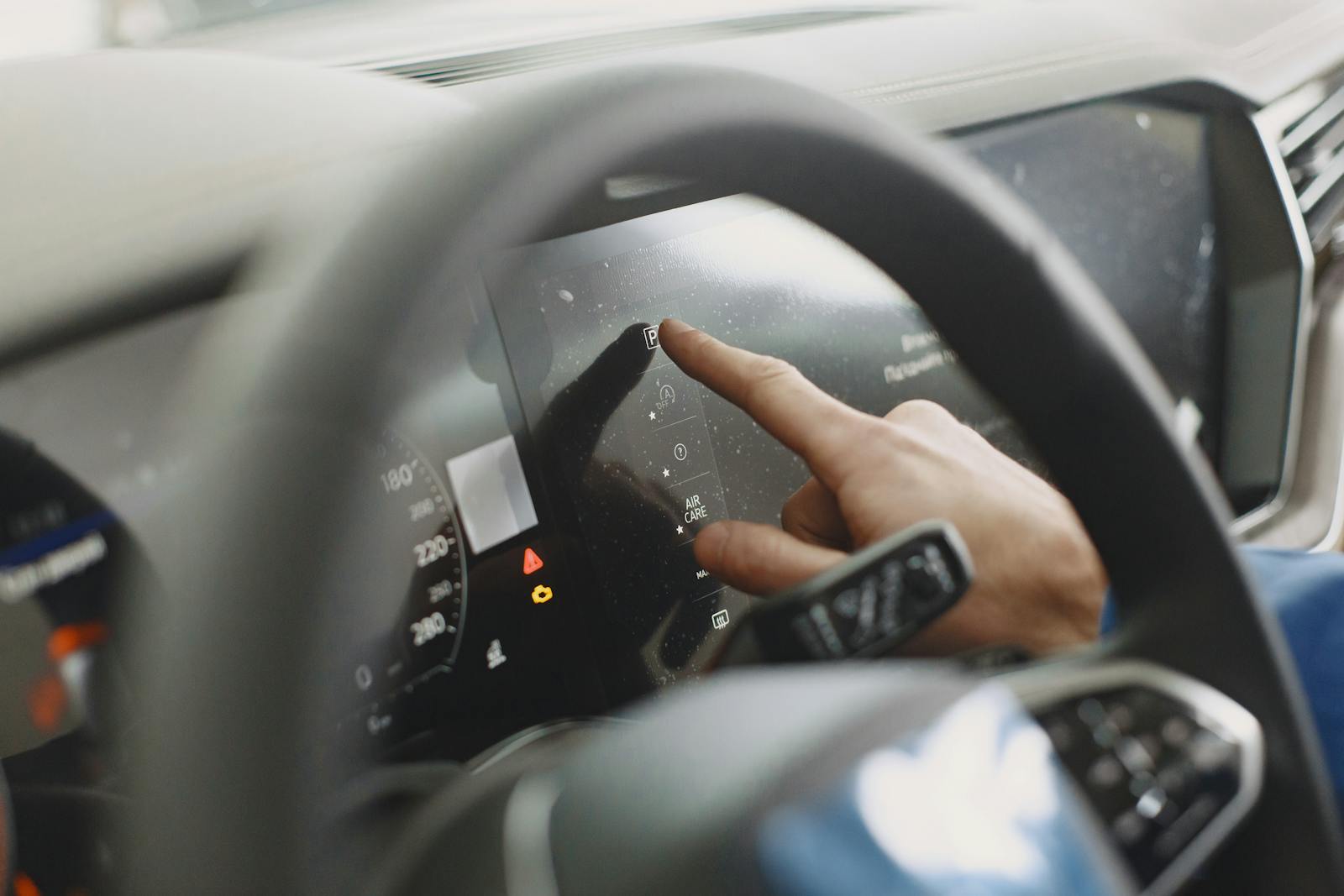

Modern cars increasingly resemble smartphones on wheels, with massive touchscreens replacing the buttons, knobs, and switches drivers once used without a second thought. Tesla pioneered this minimalist approach, and traditional automakers quickly followed suit, embedding everything from climate controls to safety features into digital displays. What started as a sleek design trend has turned into a standard feature across most new vehicles.
Research from the AAA Foundation for Traffic Safety shows that interacting with touchscreens creates mental distraction lasting up to 40 seconds after completing basic tasks, turning routine adjustments into potential crash scenarios. During those 40 seconds at highway speeds, a vehicle travels hundreds of yards with the driver’s attention compromised. The problem isn’t just the time spent tapping screens—it’s the lingering cognitive load that persists long after the task is complete.
Safety advocates and researchers are now questioning whether touchscreen controls in cars are dangerous, with some automakers already reversing course. European safety organizations have introduced new guidelines that could reshape vehicle interiors, while studies reveal older drivers struggle most with the technology. The automotive industry’s pursuit of minimalist aesthetics has created unexpected consequences on the road.
The Shift to Touchscreen Controls and Dashboard Design
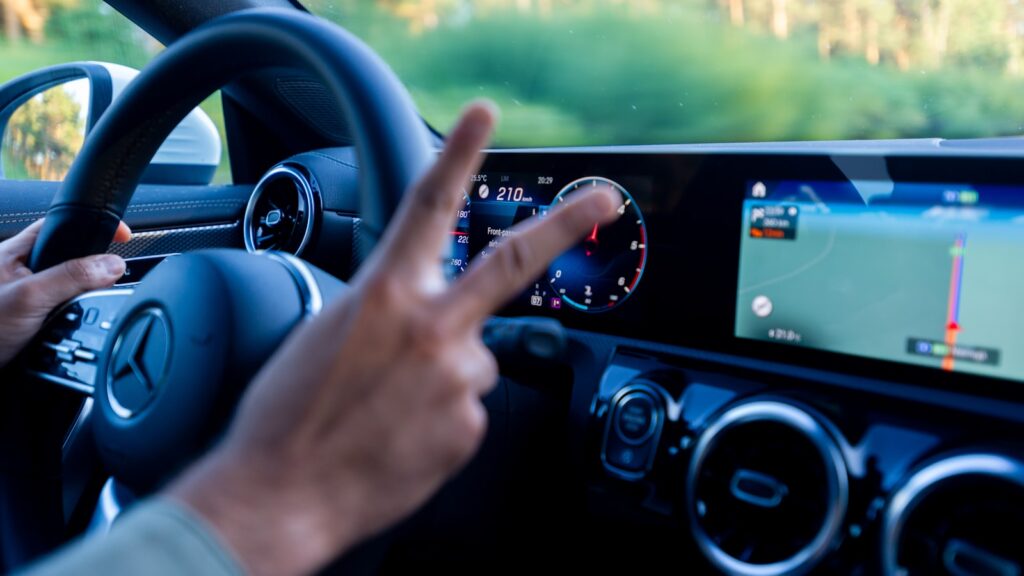
Automakers have dramatically transformed vehicle interiors over the past decade, replacing traditional knobs and switches with expansive digital displays. This transition has fundamentally changed how drivers interact with their vehicles, introducing new capabilities while creating concerns about distraction and usability.
Rise of Infotainment Systems and Touch-Sensitive Controls
The dashboard has undergone a revolution coinciding with the rise of electric and hybrid vehicles. Modern cars now feature large touchscreens that perform increasingly more functions, consolidating what once required dozens of physical buttons into a single interface.
Infotainment systems have expanded beyond basic radio controls. They now handle climate settings, navigation, driver assistance features, and vehicle configuration options. Many systems display real-time data visualization showing energy consumption, trip statistics, and vehicle performance metrics on high-resolution screens.
The Mercedes-Benz EQS SUV exemplifies this trend with a dashboard consisting of one giant touch screen. Manufacturers have embraced this technology to create streamlined interiors that project a modern, tech-forward image. Touch-sensitive controls now manage functions that drivers previously adjusted without looking away from the road.
Why Automakers Prefer Touchscreens Over Physical Buttons
Car manufacturers favor touchscreens for multiple business and design reasons. A single display costs less to produce than installing individual switches, buttons, and dials throughout the cabin. This approach simplifies manufacturing processes and reduces the number of components needed.
Touchscreens offer flexibility in vehicle production. Automakers can use the same physical hardware across different trim levels and markets, adjusting features through software rather than physical components. This streamlines inventory management and allows for over-the-air updates that would be impossible with traditional controls.
Designers appreciate how touchscreens enable sleek, minimalist dashboards. The screens create a clean aesthetic that appeals to consumers seeking contemporary styling. Manufacturers also gain the ability to showcase connectivity features and technology integration, which have become major selling points in today’s automotive market.
Impact on Vehicle Interfaces and User Experience
The transition to touchscreen-dominated interfaces has created significant usability challenges. Smooth screens lack the tactile feedback that physical buttons provided, forcing drivers to visually confirm their actions. Users must look at the display to see what their finger is doing, unlike traditional knobs that could be operated by feel alone.
Common tasks now require multiple steps through menu systems. Adjusting climate control temperature or changing radio volume often demands navigating through digital interfaces rather than turning a single dial. This increases the time drivers spend looking away from the road.
Today’s cars feature more connectivity and convenience, but the project dashboard layouts vary dramatically between manufacturers. Some brands bury essential functions deep within submenus, while others attempt to keep frequently-used controls accessible. The lack of standardization means drivers face a learning curve when switching vehicles or renting cars.
Safety Concerns and Real Risks from Touchscreen Controls
Touchscreens in vehicles are creating measurable safety problems that researchers and regulators are beginning to quantify. Research shows that 89% of drivers prefer physical buttons over digital ones, and safety experts are now documenting how these interfaces increase distraction and slow driver reaction times.
Distracted Driving and Human Factors
The cognitive load required to operate touchscreens creates a significant distraction problem. Drivers must look away from the road to locate controls on a flat screen, unlike physical buttons that can be operated by touch alone. Research shows touchscreen controls can be just as distracting as texting while driving.
A rapid review of 73 studies found that touchscreens consistently had negative effects on driving performance, visual attention, and task completion compared to physical controls. The human factors at play involve three types of distraction: visual (eyes off the road), manual (hands off the wheel), and cognitive (mind off driving).
Fleet operators have started tracking these risks as project metrics. In operations where drivers spend hours behind the wheel, every additional task that diverts attention becomes a measurable safety risk. Thoughtful vehicle control design can improve reaction times and reduce preventable crashes in fleet settings.
Response from Safety Experts and Regulatory Bodies
The European New Car Assessment Programme has implemented new requirements mandating that key controls need physical buttons or switches. This regulatory shift acts as an early warning system for the industry, signaling that touchscreen-heavy designs may face penalties in safety ratings.
These new requirements could force automakers who use safety ratings as a selling point to reassess how many features they make accessible only through touchscreens. Some manufacturers have already responded—in March 2024, one major company announced it would roll back touchscreen controls in certain vehicles after reviewing data from the National Highway Traffic Safety Administration.
Safety organizations are calling for risk management protocols similar to those used in health systems, where multiple layers of protection prevent errors. Researchers note that guidelines, standards, and regulations are needed to support safe touchscreen design and implementation in vehicles.
Consumer Preferences and Industry Pushback
Drivers are rejecting the touchscreen trend in practical terms. Since 2023, 97% of new cars include at least one touchscreen, handling an increasing number of functions. Yet consumers report frustration with these systems.
The preference for physical controls isn’t just about comfort—it reflects real usability concerns. Drivers worry that touchscreen-equipped vehicles will be harder to sell later. Several major automakers are now ditching touchscreen dashboards and returning to traditional controls in response to this feedback.
The industry is experiencing a reversal after a decade of replacing physical buttons with large touchscreen controls. While these interfaces initially seemed modern and sleek, the combination of safety data and consumer dissatisfaction is pushing manufacturers back toward hybrid approaches that balance technology with tactile controls.
More from Steel Horse Rides: