
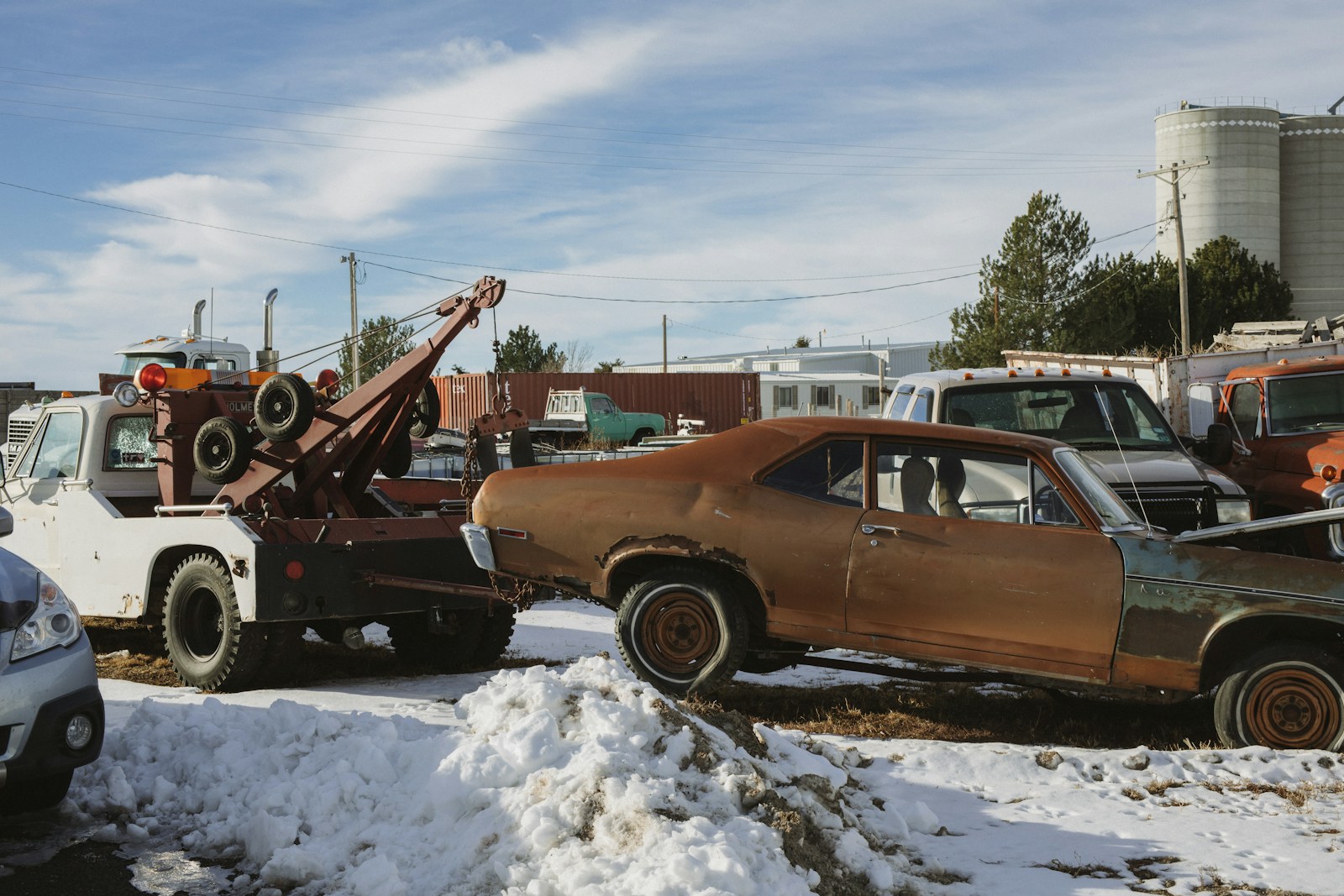

A tow truck lining up on the wrong car is no longer just an urban legend. Viral clips now show drivers trying to drag away vehicles that are clearly occupied, clearly moving, or clearly parked where they are allowed to be, turning a routine nuisance into a safety and consumer protection problem. The result is a growing backlash against aggressive towing tactics and a new urgency for drivers to understand their rights before a hook ever drops.
At the center of that shift is a simple but alarming pattern: a truck arrives for one vehicle, locks onto another, and sometimes keeps going even after the mistake is obvious. When that happens, the difference between a resolved misunderstanding and a costly, dangerous confrontation often comes down to how quickly owners recognize what is happening and how prepared they are to push back.
When a tow truck targets the wrong car
Wrong-car tows usually start with a paperwork error, a misread license plate, or a rushed driver trying to meet a quota, but they can escalate quickly once the boom is in place. In one widely shared incident from San Francisco, a couple in a 2017 Toyota Corolla said a truck tried to latch onto their moving car while they were still behind the wheel, a maneuver that turned a supposed parking enforcement job into a rolling hazard. Video captured by a witness showed the truck making repeated attempts to hook the rear of the compact sedan, illustrating how a simple mix-up can cross into reckless behavior when a driver refuses to disengage.
The couple later described being stunned that anyone would try to tow a vehicle that was clearly occupied and in motion, and their account has become shorthand for how brazen some operators have become. In that case, the tow truck appeared to be hunting for a different target but still tried to take the wrong vehicle, a detail visible in the You footage of the 2017 Toyota Corolla weaving to avoid the lift. That kind of aggressive pursuit, even when the driver realizes the car is not the intended one, is what has pushed many local officials and consumer advocates to start talking about predatory towing rather than simple mistakes.
From nuisance to danger: the San Francisco moving-car case
The San Francisco couple’s story has resonated because it captures how quickly a routine tow can morph into a life safety issue. They were driving through a city neighborhood when they noticed a truck edging closer, then felt the jolt of equipment brushing their bumper as the operator tried to secure the car mid-traffic. Instead of backing off once it was clear the vehicle was occupied, the driver reportedly made several more attempts, forcing the couple to accelerate away and leaving bystanders shouting in disbelief.
Short-form clips of the encounter spread rapidly, with one San Francisco video showing the tow truck’s boom swinging toward the compact car as it rolls forward. The images underline how a practice that is supposed to clear hazards from the road can itself become a hazard when operators ignore basic safety norms. For city regulators, the case has become a vivid example of why towing contracts, training, and oversight need to account not just for where a car is parked, but for how drivers behave when they realize they have the wrong target.
Predatory patterns: when towing crosses the line
Isolated wrong-car incidents sit on top of a broader pattern of complaints about towing companies that push legal and ethical boundaries. In some cities, police have described uncovering organized predatory towing operations that appear to be coordinated with other criminal activity. Chicago authorities, for example, have warned that certain trucks were roaming neighborhoods and seizing vehicles under flimsy pretenses, with one tow truck driver later telling officers he was attempting to remove a vehicle that did not match what witnesses saw on the hook.
Officials there said that, in recent weeks, they believed a predatory towing operation might be orchestrated by gang members, and urged residents to report suspicious activity by calling From CPD and the city’s emergency management center. That warning, framed around trucks that seemed to be targeting vehicles without proper authorization, shows how quickly towing can shift from a civil dispute over fees into a public safety and crime prevention issue when the wrong cars are taken for the wrong reasons.
Wrongful tows, wrongful repossessions, and the law
When a tow truck hooks the wrong vehicle, the legal framework can look different depending on whether the incident is treated as a simple tow, a repossession, or something closer to theft. Consumer advocates stress that a car removed from a legal parking spot without proper notice or authorization is often considered a wrongful tow, and owners may be entitled to reimbursement of fees, damages, and sometimes additional penalties. In practice, that means documenting where the car was parked, what signs were posted, and who ordered the removal, then using that record to challenge the charges.
Some legal guides describe how remedies escalate when a wrongful tow shades into wrongful repossession, especially if a lender or its agent seizes a vehicle without following required procedures. In those cases, Remedies can range from a nominal amount of money to three times the value of the vehicle, plus costs and attorney fees, and in some circumstances there may even be a civil rights claim. That legal backdrop is one reason towing companies are supposed to verify plate numbers, locations, and authorizations carefully before they ever lower a hook onto a bumper.
Real-world fallout: families, businesses, and repeat mistakes
For drivers and homeowners, a wrong-car tow rarely feels like a technical error. One family described thinking their vehicle had been stolen after it vanished from their driveway, only to learn later that a towing contractor had removed it under a disputed parking policy that gave them the choice of parking off-site or widening their driveway to accommodate five cars. The homeowner recalled being frantic as they tried to piece together what had happened, a reaction that underscores how opaque towing decisions can be when owners are not notified in advance.
In other cases, the same vehicle has reportedly been targeted again and again despite being properly permitted. One frustrated owner turned to an online legal forum after a tow company erroneously removed the same car multiple times, prompting advice to Document the permit in place, take Photos, CALL, and POLICE if the car was moved. That mix of personal stories and practical guidance shows how repeat mistakes can erode trust not only in individual companies but in the entire system that allows private trucks to seize private property with little on-the-spot oversight.
How to respond in the moment when a tow goes wrong
When a tow truck lines up on the wrong car, the first priority is safety, not argument. Consumer advocates advise drivers to avoid standing between the vehicle and the truck or climbing onto equipment, and instead to calmly record video, note the company name and license plate, and ask the driver who ordered the tow. If the car is still on the ground, some jurisdictions require the operator to release it on the spot for a reduced fee once the owner appears, a rule that only works if the driver knows to insist on it.
Guides on dealing with wrongful tows emphasize that owners should collect every scrap of documentation they can, from photos of posted signs to receipts and time-stamped messages, then use that record to challenge the charges and seek reimbursement. One consumer-focused explainer on being wrongfully towed stresses the importance of acting quickly to limit storage fees and of filing complaints with local regulators if the company refuses to cooperate. That combination of calm on-scene response and methodical follow-up can turn a chaotic confrontation into a paper trail that is far more persuasive to a judge or hearing officer than a shouting match in a parking lot.
Patterns of complaint and the path to accountability
Individual wrong-car incidents are troubling, but the real leverage often comes when patterns of behavior are documented across multiple customers. In one investigation, drivers described a company called PB J Towing as repeatedly hauling away vehicles they believed were parked legally, leaving them to navigate a maze of fees and phone calls to get their cars back. Those accounts, gathered after several motorists reached out with similar stories, painted a picture of a business model that seemed to rely on aggressive enforcement rather than clear communication.
Regulators and attorneys say that when complaints stack up, they can trigger audits, license reviews, or even civil litigation. A televised investigation into Towing complaints highlighted how drivers who document their experiences and share them with consumer protection agencies can help build the case for broader reforms. That same logic applies when a tow truck shows up for the wrong car and tries to take it anyway: a single video might go viral, but a stack of sworn statements, photos, and invoices is what tends to move policy.
Civil lawsuits, giant judgments, and what they signal
When administrative complaints are not enough, some vehicle owners turn to civil courts, and the results can be expensive for towing companies that cross the line. One high-profile case ended with a $7.1 million judgment against a firm accused of a wrongful tow that spiraled into a major dispute over property rights and damages. Legal commentators noted that the award, described as $7.1 m in some coverage and $7.1 million in others, sent a clear message that juries are willing to punish companies that treat cars as collateral they can seize at will.
That same company later surfaced in a separate story about a Kansas City business owner who confronted a driver and stopped what he believed was an illegal tow in progress, a confrontation captured in a Jul video. Legal guides on suing a towing operator for damage or misconduct walk owners through the steps, starting with contacting their insurer and gathering repair estimates. One such guide, framed around the Steps to Suing a Towing Company and the need to Contact Insurance Company early, underscores that litigation is usually the last resort, but it can reshape industry behavior when judgments climb into seven figures.
Filing complaints and using official channels
Not every wrong-car tow needs a lawsuit to get results. Attorneys who focus on consumer disputes often recommend a laddered approach that starts with a detailed demand letter and escalates only if the company refuses to make things right. One legal explainer on how to challenge towing misconduct lists Camila Lopez, Esq as the author and walks through Common Complaints Against Towing Companies, including surprise tows from legal spaces and refusal to release vehicles on-site. It then outlines Option 1, to Send a demand letter, Option 2, to file a Better Business Bureau complaint, and further steps that involve small claims court or a Government Complaint.
Local investigations have shown why those channels matter. In San Diego, police opened a probe into a company accused of towing vehicles from legal parking areas and then refusing to release them even when owners arrived before the truck left the lot. One report described how Your vehicle might be towed from a legally parked area by S&S Towing, with the driver declining to provide a photocopy of the written authorization that is supposed to justify the removal. When those stories surface, they often prompt city attorneys and state regulators to revisit the rules that govern how and when private companies can take control of someone else’s car.
Why towing abuses are rising and how drivers can protect themselves
Behind the individual horror stories is a larger economic and security context that helps explain why some operators are pushing boundaries. Cargo theft has been rising sharply from 2024 to Q3 2025, with one industry analysis warning that Cargo theft is becoming an increasingly serious issue for the transportation sector. As fleets invest in telematics and tracking to protect high-value loads, some less scrupulous players may see aggressive private-property towing as a parallel way to monetize control over vehicles, especially in dense urban areas where parking is scarce and enforcement contracts are lucrative.
More from Wilder Media Group: