
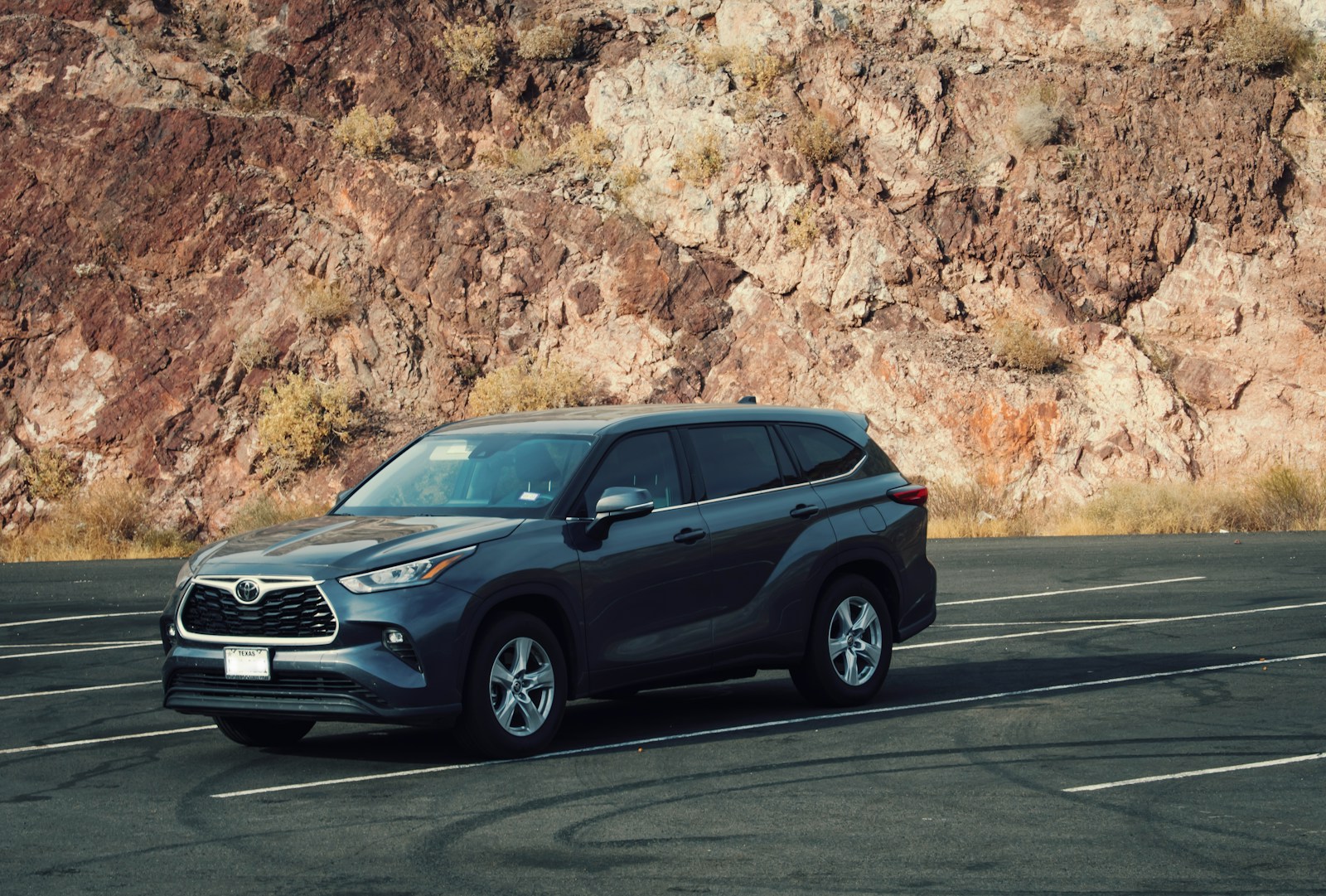

Toyota has announced a major safety recall involving more than 550,000 vehicles in the United States due to a defective seat-back mechanism that could fail to lock properly. The recall affects Toyota Highlander and Highlander Hybrid SUVs from model years 2021 through 2024, with the faulty mechanism potentially increasing the risk of injury during a collision. The issue was officially filed with the National Highway Traffic Safety Administration on March 5, 2026.
The defect centers on the second-row seats, where the seat-back locking system may not function as intended. If the seat back fails to lock in place, passengers could face greater danger in the event of a crash. This represents one of the largest recalls Toyota has issued in recent years.
Vehicle owners need to determine whether their SUV is among those affected and understand what steps to take next. Toyota has outlined a clear process for checking recall status and getting the necessary repairs completed at no cost to owners.
Understanding the Massive Toyota Recall
Toyota has issued a recall notice affecting 550,007 vehicles in the United States due to a faulty seat-back mechanism that could fail to lock properly. The recall includes certain 2021-2024 Highlander and Highlander Hybrid vehicles where second-row seat backs may not secure into place during adjustment, creating serious safety concerns for passengers.
Reasons for the Recall and Safety Risks
The U.S. National Highway Traffic Safety Administration announced the Toyota recall after identifying a defective seat-back mechanism in the second-row seats. When the seat backs fail to lock into position during adjustment, they create an increased risk of injury to passengers, particularly in the event of sudden stops or collisions.
The faulty return springs in the seat-back recliner assemblies are the root cause of the problem. Without proper locking mechanisms, seat backs could unexpectedly recline or shift during vehicle operation, potentially causing passengers to lose proper restraint positioning.
Dealers will replace the return springs in the seat-back recliner assemblies at no cost to owners. The repair work addresses the locking mechanism directly to ensure seats remain securely in place once adjusted.
List of Impacted Toyota and Lexus Models
The recall specifically targets 2021-2024 Toyota Highlander and Highlander Hybrid vehicles. These popular three-row SUVs represent a significant portion of Toyota’s family vehicle lineup in the United States.
The affected model years span four production years, indicating the defect persisted through multiple manufacturing cycles. Toyota has not expanded the recall to include other SUV models or sedans at this time.
Owners of Highlander and Highlander Hybrid vehicles from the 2021 through 2024 model years should check their VIN to determine if their specific vehicle falls within the recall parameters.
Common Defects: Instrument Panel, Seatback, Engine Issues
While this particular recall focuses on the seatback mechanism, Toyota has faced multiple recall campaigns recently. The company recalled 591,377 vehicles for instrument cluster issues affecting models including the Tacoma and 4Runner.
Additionally, Toyota issued a recall for roughly 127,000 vehicles over an engine defect that could cause stalling in certain 2022 models. The automaker also recalled over one million vehicles due to backup camera failures across multiple brands.
These separate campaigns highlight different safety concerns across Toyota’s vehicle lineup, though they are unrelated to the current Highlander seatback issue.
Loss of Motive Power and Other Reported Problems
Loss of motive power has emerged as a concern in some Toyota recalls, particularly those involving engine defects. This issue occurs when vehicles unexpectedly lose power while driving, creating dangerous situations on highways and busy roads.
The engine-related recalls specifically addressed components that could lead to stalling or sudden power loss. These problems differ from the seatback mechanism failure, which poses injury risks related to passenger restraint systems rather than vehicle operation.
The current Highlander recall does not involve loss of motive power issues. Instead, it focuses exclusively on the mechanical failure of seat-back locking mechanisms that could compromise passenger safety during normal vehicle use or in crash scenarios.
How to Check If Your Toyota Vehicle Is Included and Next Steps
Vehicle owners can verify recall status through multiple official channels using their vehicle identification number, and those affected should schedule repairs immediately at no cost.
How To Use Your Vehicle Identification Number for Recall Checks
The vehicle identification number serves as the key to determining recall status. This 17-digit code appears on the driver’s side dashboard near the windshield and on the vehicle registration documents.
Owners need to locate their VIN before checking recall information. The number contains specific details about the vehicle’s manufacturing date, model, and features that help identify whether it falls under the recall.
Toyota’s system accepts either the full VIN or a license plate number with the state of registration. The VIN method typically provides more accurate results since it directly identifies the specific vehicle configuration.
Official Resources: toyota.com/recall and nhtsa.gov/recalls
Toyota maintains a dedicated recall lookup tool where owners can enter their VIN or license plate information. The site covers safety recalls and service campaigns released since 1999 for Toyota, Lexus, and Scion vehicles sold in the U.S., U.S. Territories, and Mexico.
The NHTSA recall database provides an independent verification source. This government resource searches across all manufacturers and includes detailed information about specific defects and remedies.
Both platforms update regularly as new recalls emerge. Owners should bookmark these sites for periodic checks, especially if they’re experiencing unusual vehicle behavior.
What to Do If Your Vehicle Is Affected
Affected owners should contact their nearest Toyota dealership to schedule a repair appointment. The manufacturer covers all recall-related repairs at no charge to the owner, including parts and labor.
Dealers prioritize recall repairs and often accommodate urgent scheduling requests. Owners shouldn’t delay since the recent recall involves seat back locking failures that could increase injury risk during collisions.
Toyota typically provides loaner vehicles or alternative transportation if repairs require extended time. Owners should ask about these options when scheduling their appointment.
Getting Help: Contacting Toyota at 1-800-331-4331
Toyota’s customer service line at 1-800-331-4331 connects owners with representatives who can answer recall questions. The hotline operates during business hours and provides information about affected models, repair timelines, and dealer locations.
Representatives can verify recall status over the phone using the VIN. They also help owners who experience difficulty accessing online tools or need clarification about repair procedures.
The customer service team escalates concerns about dealer availability or scheduling delays. Owners experiencing safety concerns with their vehicles should mention this during the call for priority handling.
More from Steel Horse Rides: