
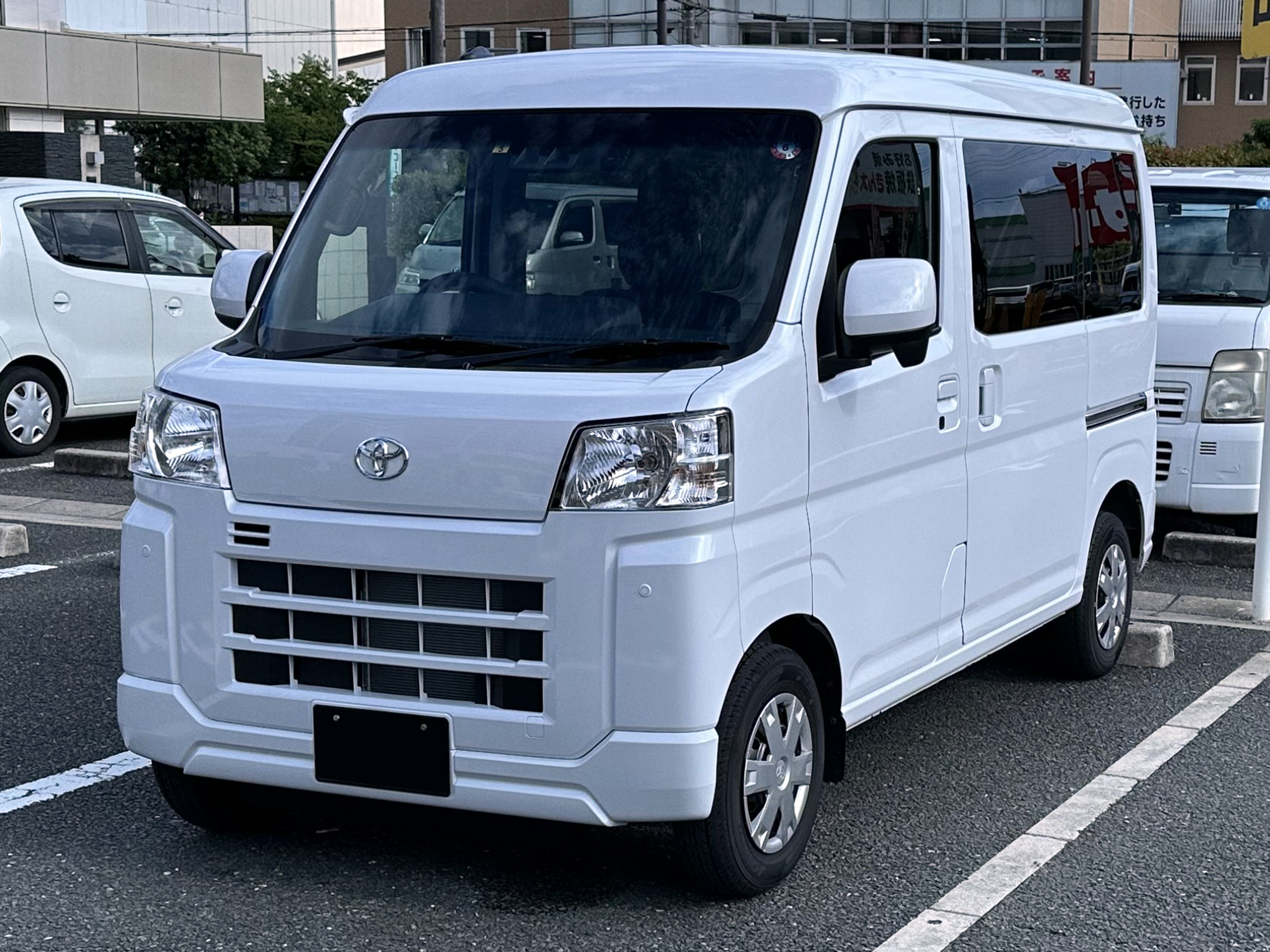

Toyota is shrinking the electric work van down to true city size, and it is not a concept sketch or a one-off demo. The company has added a battery-electric version to its Pixis Van kei commercial lineup in Japan, targeting dense streets, tight alleys, and short-hop delivery routes that never leave the urban core. The result is a tiny, boxy hauler built to spend all day in stop‑and‑go traffic without burning a drop of fuel.
Instead of chasing flashy performance numbers, this little van leans into practicality: compact footprint, simple packaging, and enough range to cover a full shift of parcel drops, service calls, or shop-to-shop runs. It is a work tool first, an EV second, and a clear sign that electrification is finally reaching the smallest, hardest working vehicles in Japan’s cities.
What Toyota Actually Built
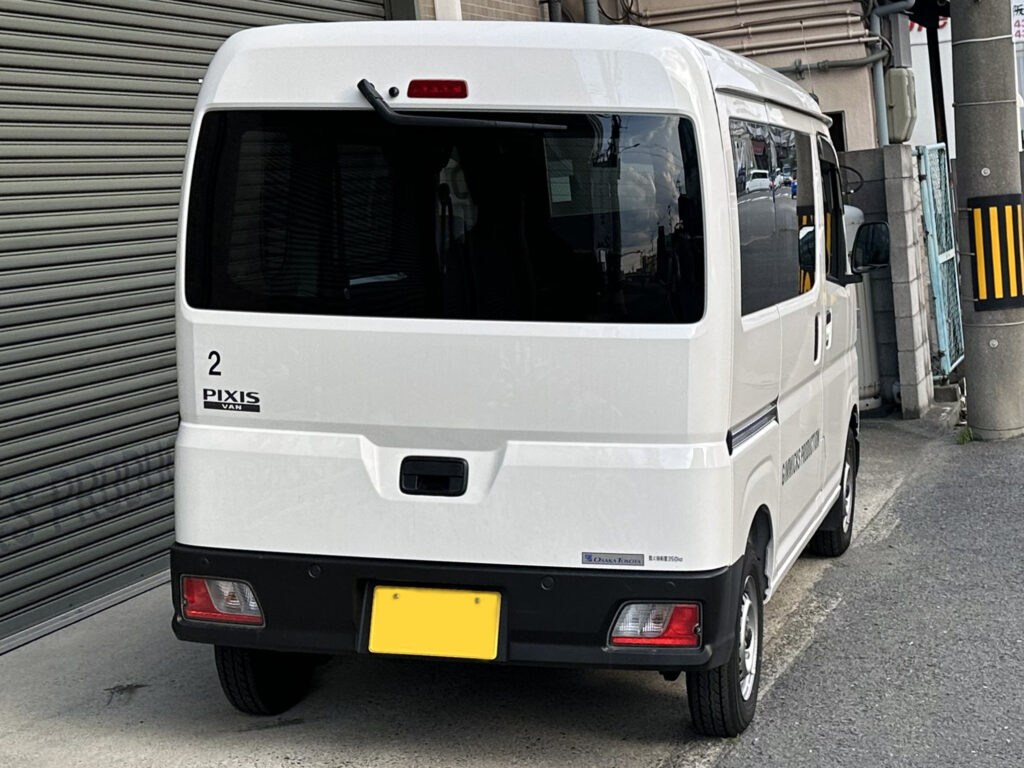
The new model is a battery-electric entry in the Pixis Van Kei Commercial Vehicle Lineup, which Toyota describes as a compact workhorse for businesses that live and die on short, frequent trips. By adding a BEV version to the existing Pixis Van family, Toyota is taking a familiar city delivery shape and swapping the combustion guts for an electric drivetrain that is tuned for low-speed, high-stop workloads. The company positions this Pixis Van BEV as a tool for everything from parcel drops to tradespeople who need to haul gear but rarely leave the city grid, framing it as a way to keep the same footprint while cutting tailpipe emissions for a full day of deliveries or other uses, as detailed in its own Pixis Van announcement.
In practical terms, that means the van sticks to kei-class dimensions, with a tall, squared-off body that maximizes cargo space inside a very small rectangle of asphalt. The electric layout keeps the cabin and load bay familiar for drivers who already know the Pixis Van, while the battery and motor are packaged to preserve a flat floor and easy access. Toyota’s own framing of the vehicle makes clear that the priority is not weekend road trips or highway cruising, but the grind of last‑mile logistics where every centimeter of maneuverability and every minute of uptime matters.
Built Around Last‑Mile Life
Toyota is explicit that this Pixis Van BEV is aimed at Japan’s last‑mile logistics scene, where fleets need vehicles that can snake through narrow streets, slip into tiny loading zones, and repeat that pattern all day. The company describes the electric Pixis as being built for a full day of work, with the battery and charging setup tuned so that a typical urban delivery cycle can be completed without mid‑shift top‑ups, a point underscored in coverage of how Toyota Launches Pixis and its last‑mile logistics needs.
That focus on the final leg of the supply chain shapes everything from the van’s compact turning circle to its quiet operation, which matters when drivers are rolling into residential neighborhoods early in the morning or late at night. Electric drive also means smoother low‑speed control in tight alleys and loading docks, where jerky throttle response can translate into bent bumpers or scraped walls. Toyota leans on the idea that a small, quiet, and efficient electric van can make life easier not just for drivers, but for the people living and working along those crowded routes.
Core Specs, Charging, and On‑Site Power
Under the skin, the Pixis Van BEV is not trying to be a long‑range cruiser, and that is by design. Reporting on the launch notes that Toyota is expanding its smallest commercial vehicle range in Jap with a tiny electric work van that prioritizes usable range for city duty, modest top speed, and a battery sized for daily loops rather than cross‑country runs. The core specs and charging numbers are tuned so that a business can plug in overnight, send the van out for a full shift, and repeat, with the electric system also able to act as a small mobile power source for tools or emergency use, as highlighted in coverage of the core specs and charging setup.
That mobile power angle is more than a gimmick. For contractors, event crews, or maintenance teams, being able to run small equipment on site directly from the van’s battery can cut down on separate generators and simplify setups. Follow‑up reporting on how Toyota is expanding its smallest commercial vehicle range in Jap notes that the Pixis Van BEV can power small equipment on site, turning the van into a rolling power bank as well as a cargo hauler, a detail that shows up in descriptions of how Toyota is expanding its kei‑class EV offerings.
Shared Development, Big Price Gap
The Pixis Van BEV is not a solo act inside Toyota Group. The electric kei van platform is shared with Daihatsu and Suzuki, and the collaboration is central to how Toyota is getting this tiny EV into the market. Reporting on the rollout notes that Toyota and Daihatsu Motor Co, Ltd have begun deploying battery‑electric kei commercial vans under shared supply arrangements within Toyota Group, a structure that lets each brand tailor the van to its own customers while sharing the underlying hardware and manufacturing footprint, as described in coverage of how Toyota and Daihatsu are rolling out shared electric kei vans.
That shared DNA also shows up in the pricing story, which is not exactly gentle. Analysis of the launch points out that Toyota’s New EV Kei Vans Cost Three Times More Than Their Gas Versions, with The Toyota Pixis Van BEV grouped alongside the Daihatsu e‑Hijet Cargo and Daihatsu Hijet Cargo as part of a trio of tiny vans that finally go electric after years of delays. The same reporting notes that the electric versions carry a significant premium over their combustion counterparts, even as they add features like a charging port on the front bumper to make daily use easier, a detail captured in coverage of how Toyota’s New EV.
Why This Tiny Van Matters for Urban EVs
For all the attention on big electric pickups and luxury SUVs, the Pixis Van BEV is a reminder that some of the most important EVs are the smallest and least glamorous. Toyota is electrifying one of its most compact commercial vehicles in Japan, and the company’s own description of the Pixis emphasizes zero‑emission, quiet, and efficient electric driving in a package that is meant to work hard every day. The van slots into the kei category in Japan, where strict size and power limits encourage exactly this kind of compact, upright design, and Toyota’s move to add a battery‑powered Pixis small van in Japan shows that even the tiniest work vehicles are now part of the transition, a point reflected in reporting on the battery-powered Pixis small van in Japan.
There is also a broader strategic angle. By adding a BEV to the Pixis Van Kei Commercial Vehicle Lineup and tying it into shared development with Daihatsu and Suzuki, Toyota is building out an ecosystem of tiny electric work vans that can be deployed across fleets, brands, and use cases. The upfront cost gap compared with gas versions is real, but for operators who run predictable city routes, the combination of lower energy costs, quieter operation, and the ability to plug in tools or equipment from the van itself could make the math work over time. In that sense, this tiny electric work van is less a niche experiment and more a test case for how urban logistics might look when the smallest vehicles on the road plug in first.
More from Wilder Media Group: